PLEASE NOTE THAT THIS CAR IS A NEW ARRIVAL AND WE WILL BE VERIFYING THE BELOW INFORMATION FOR ACCURACY PRIOR TO STARTING THE LISTING IN DUE COURSE.
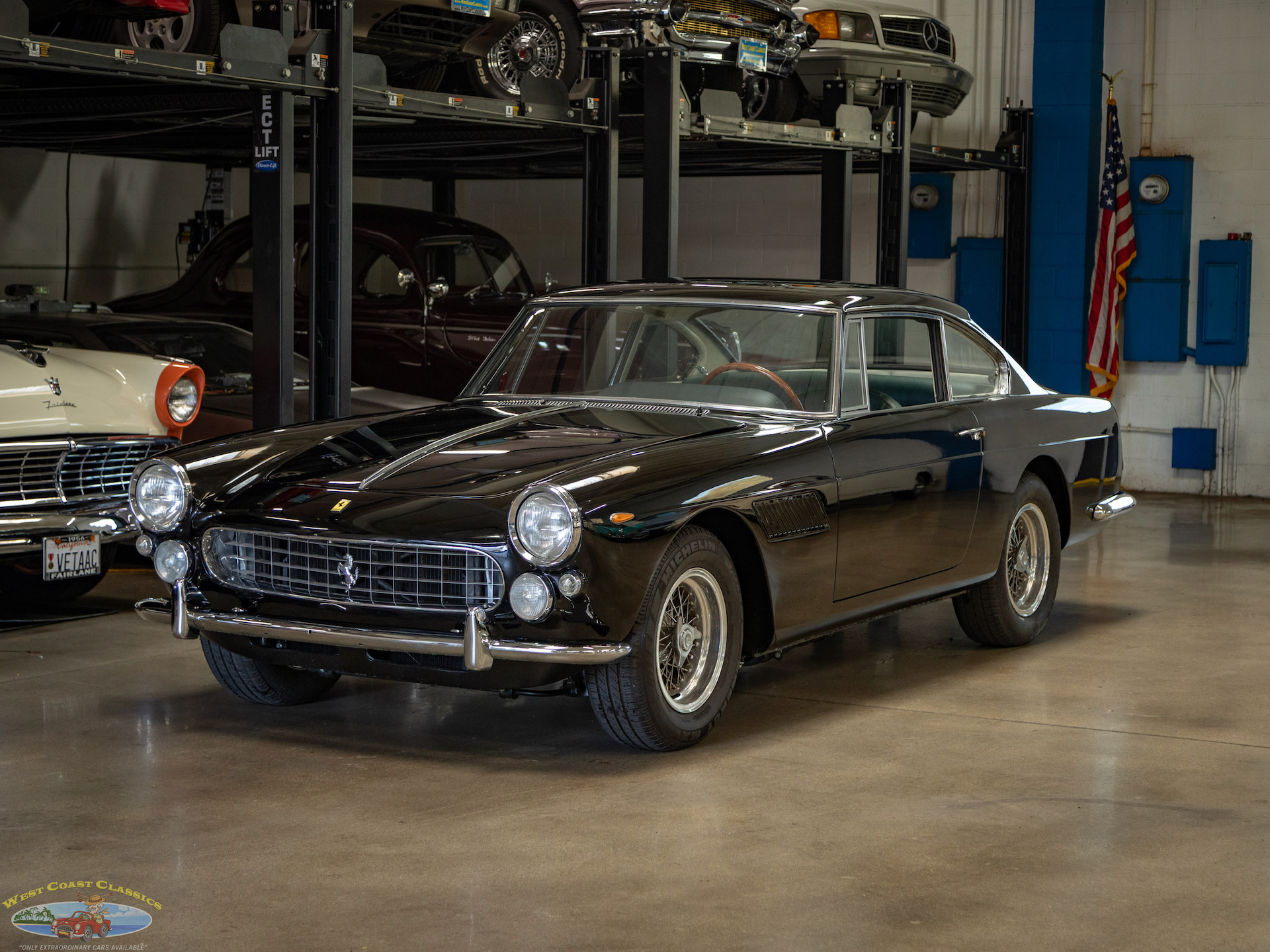
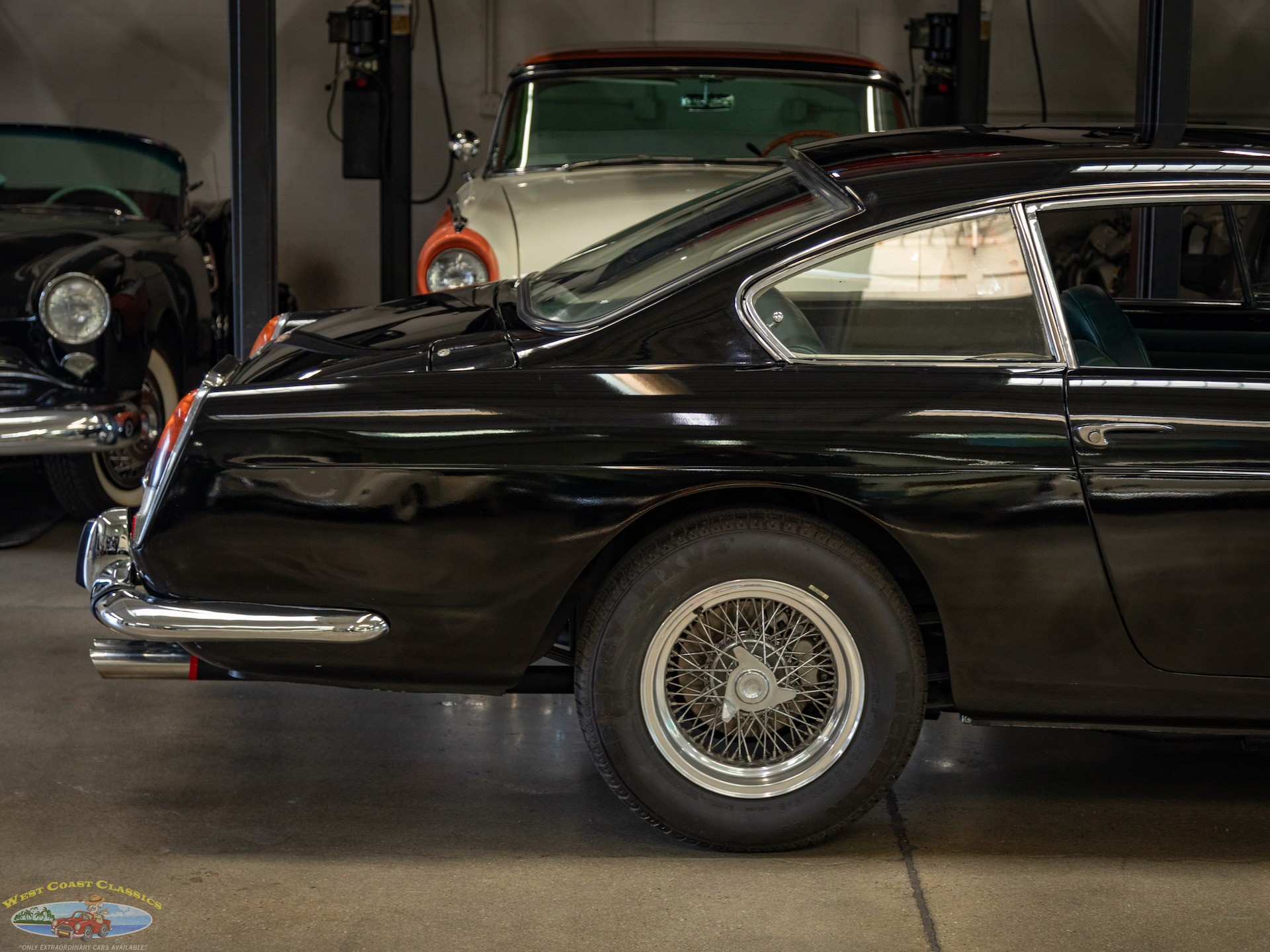
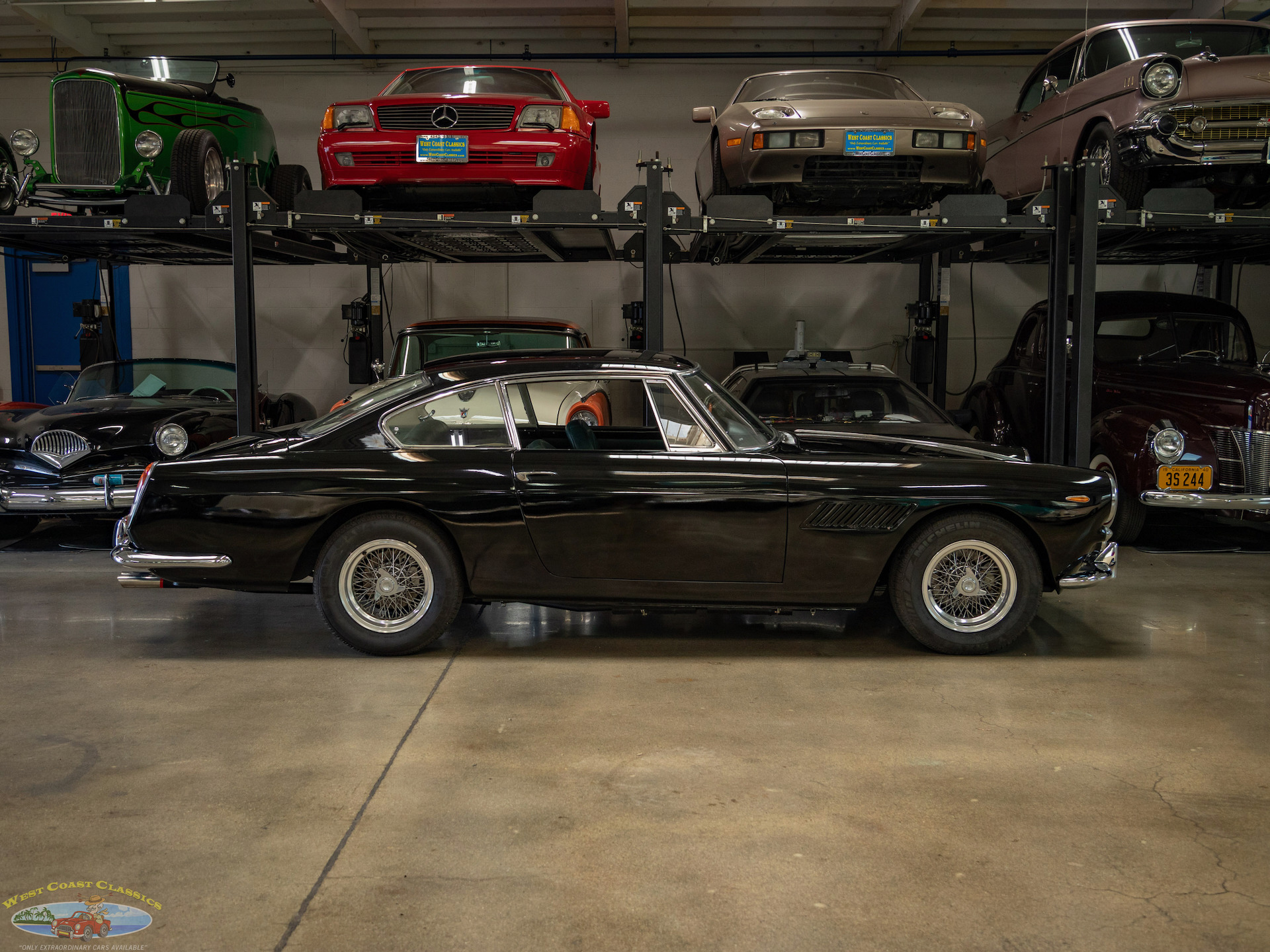
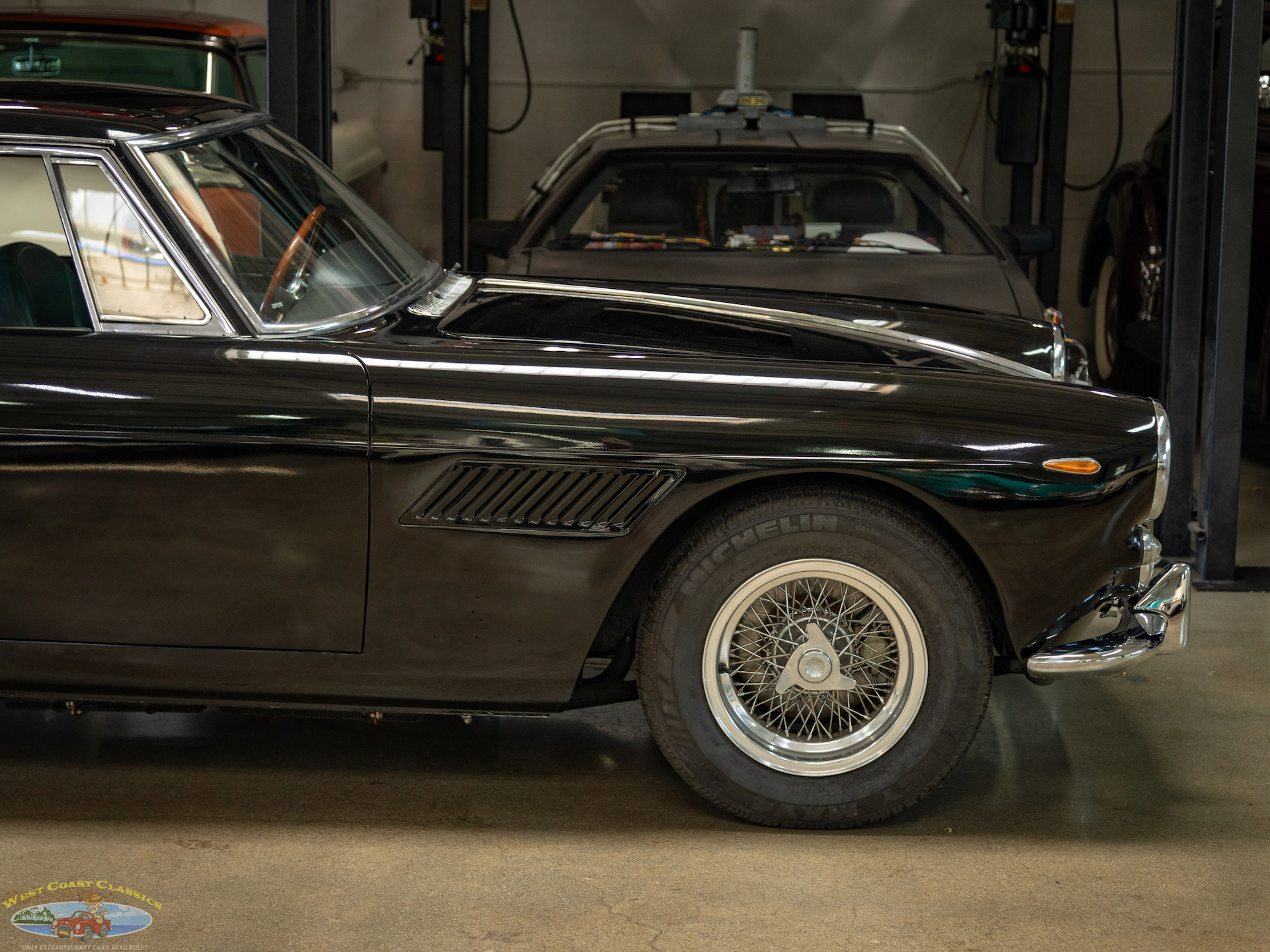
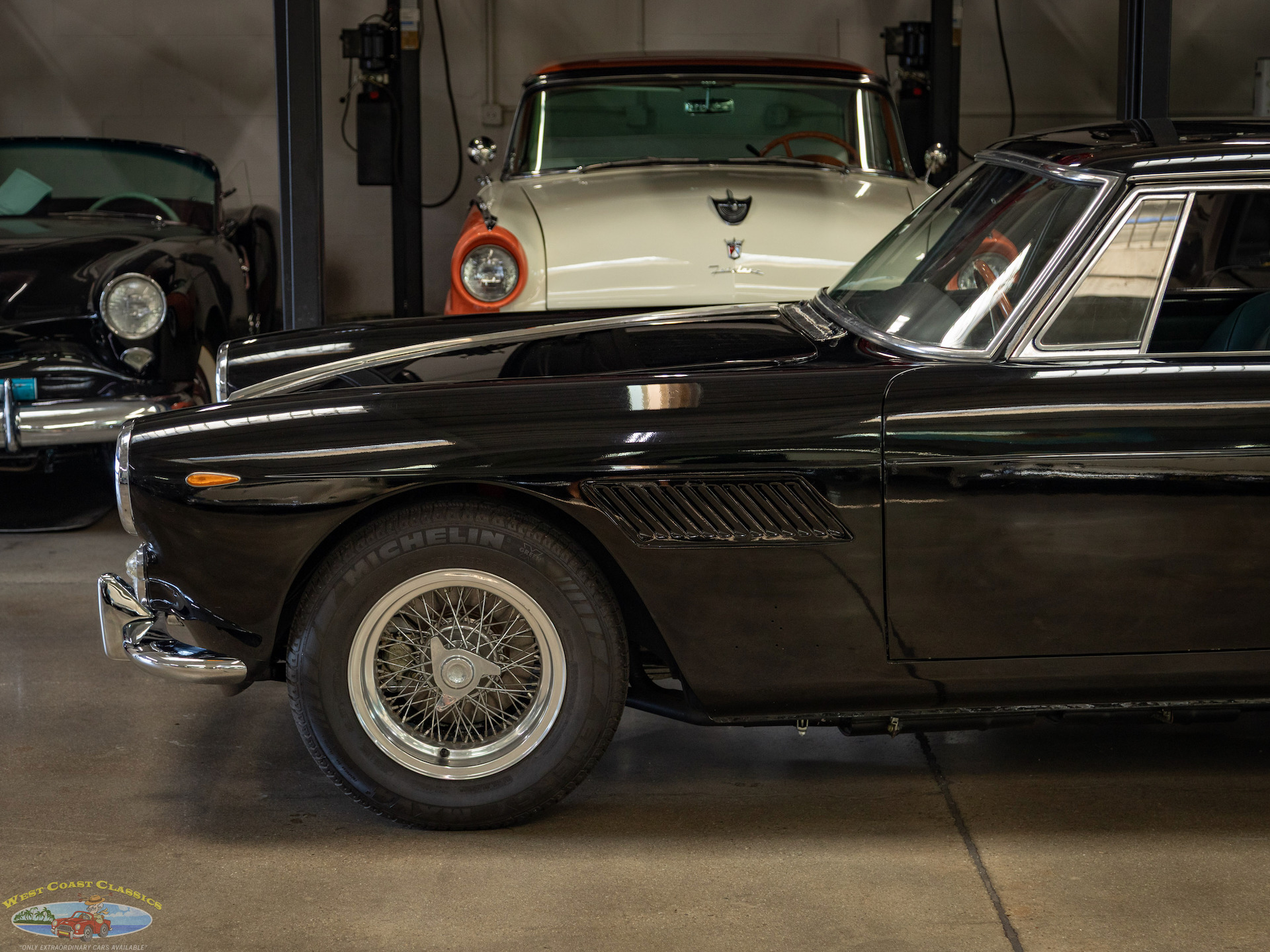
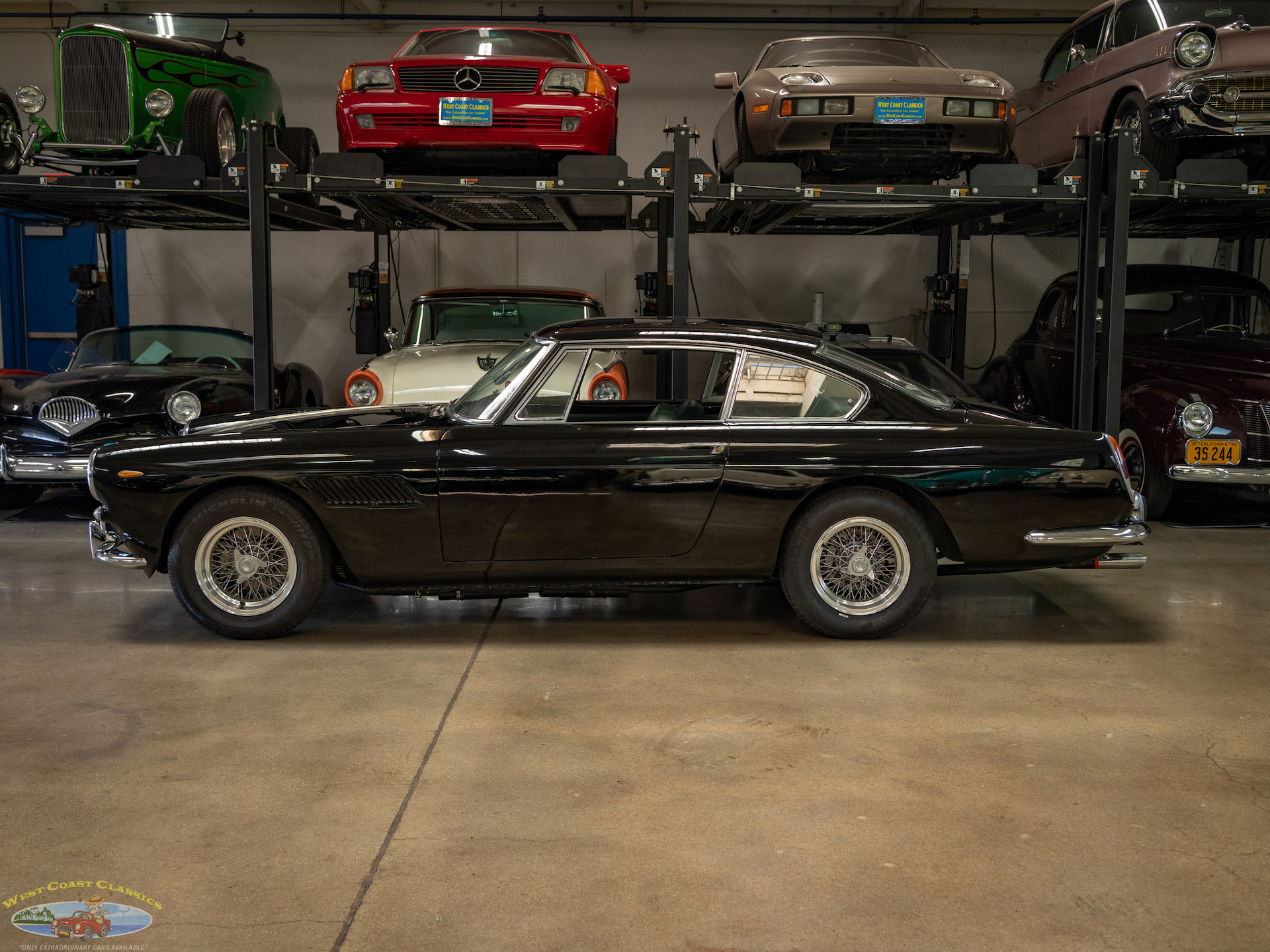
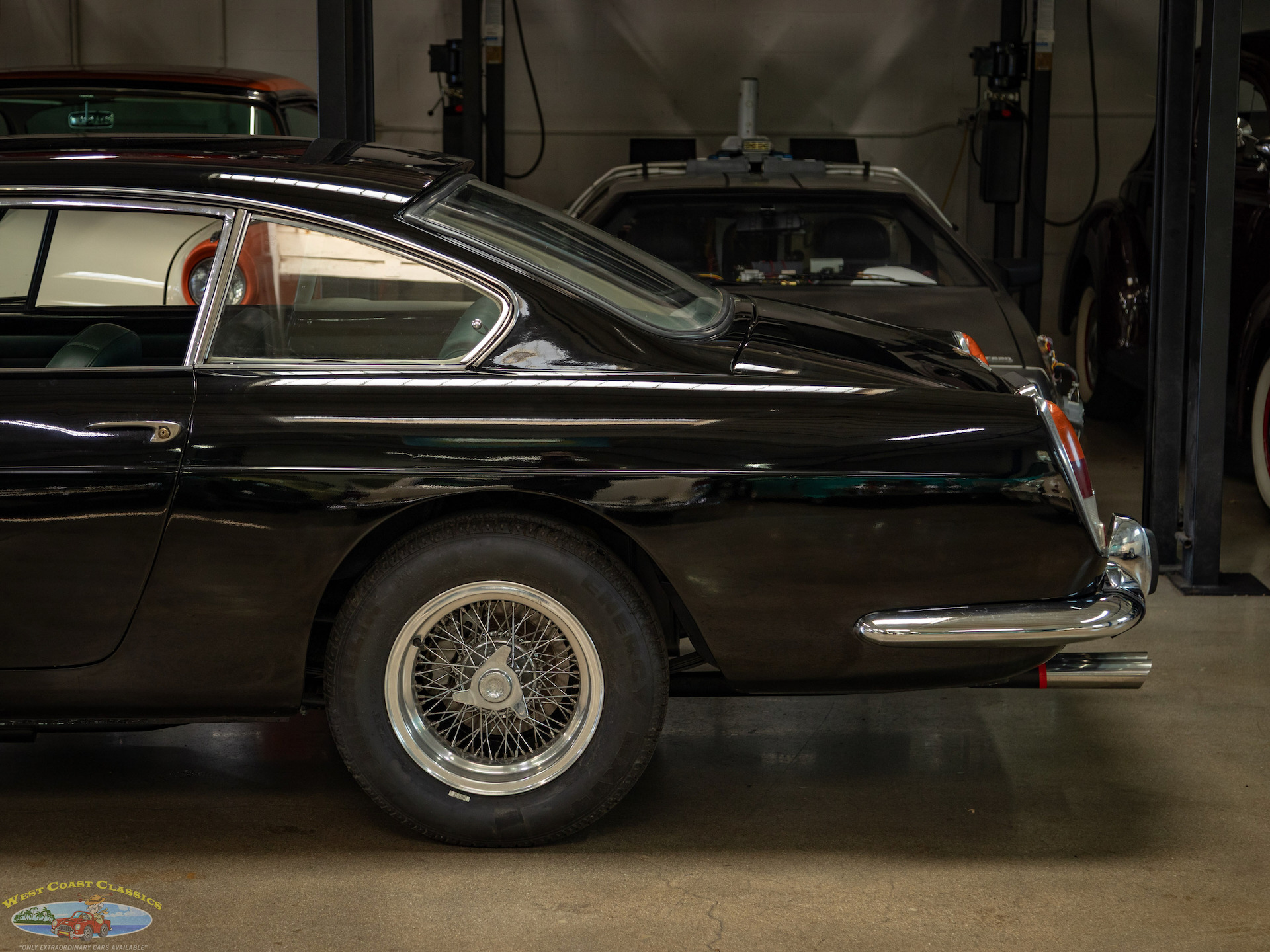
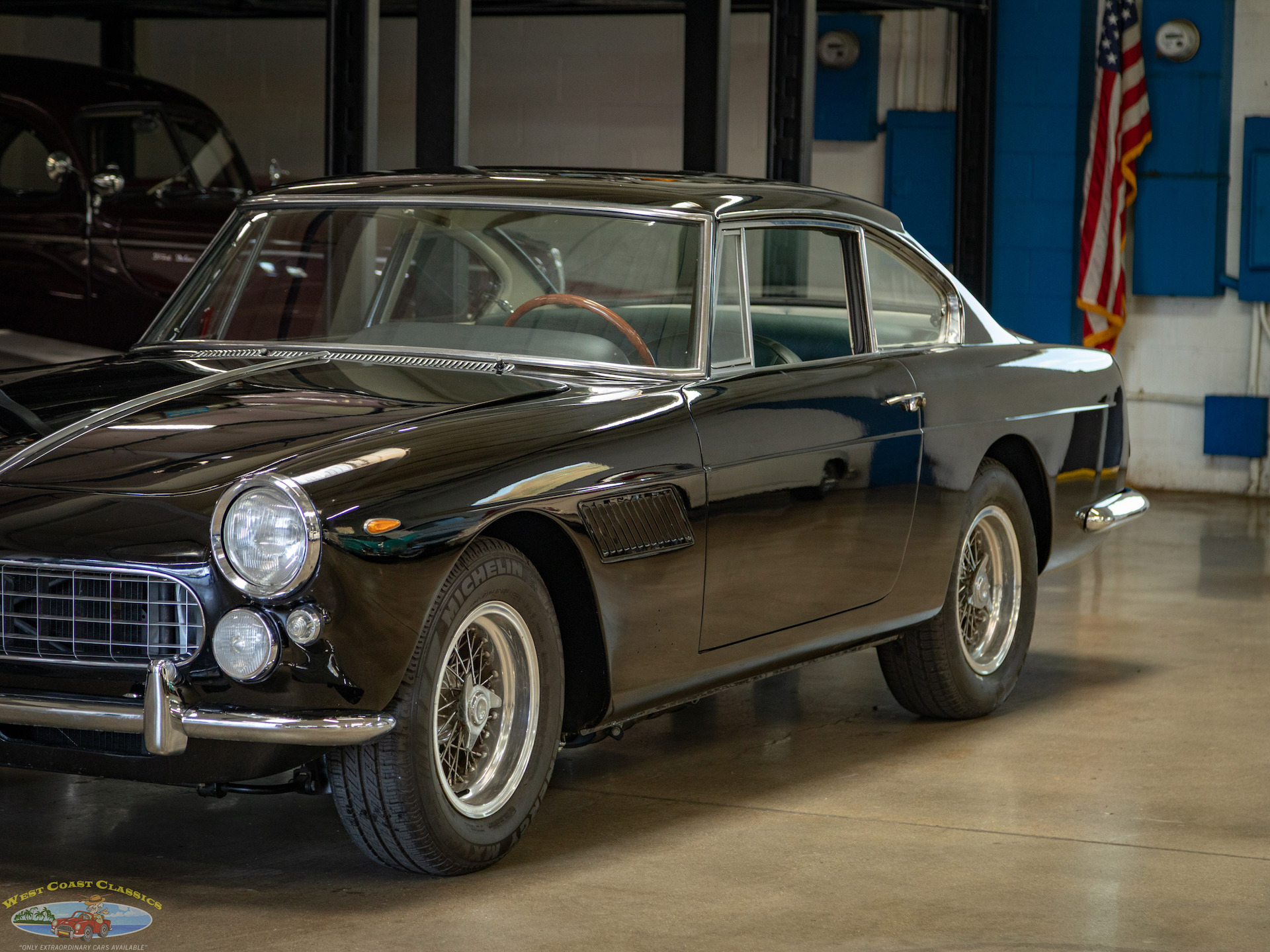
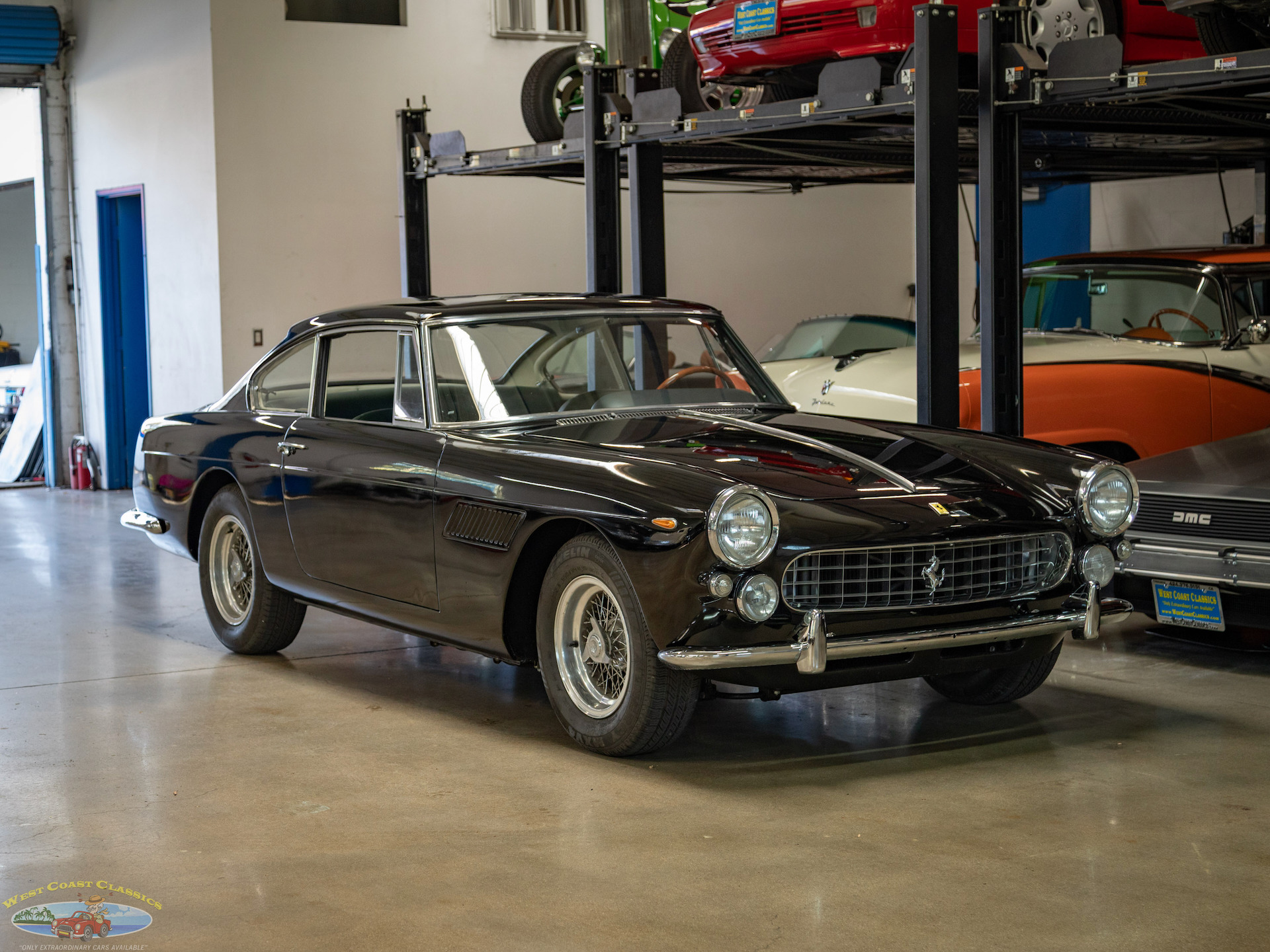
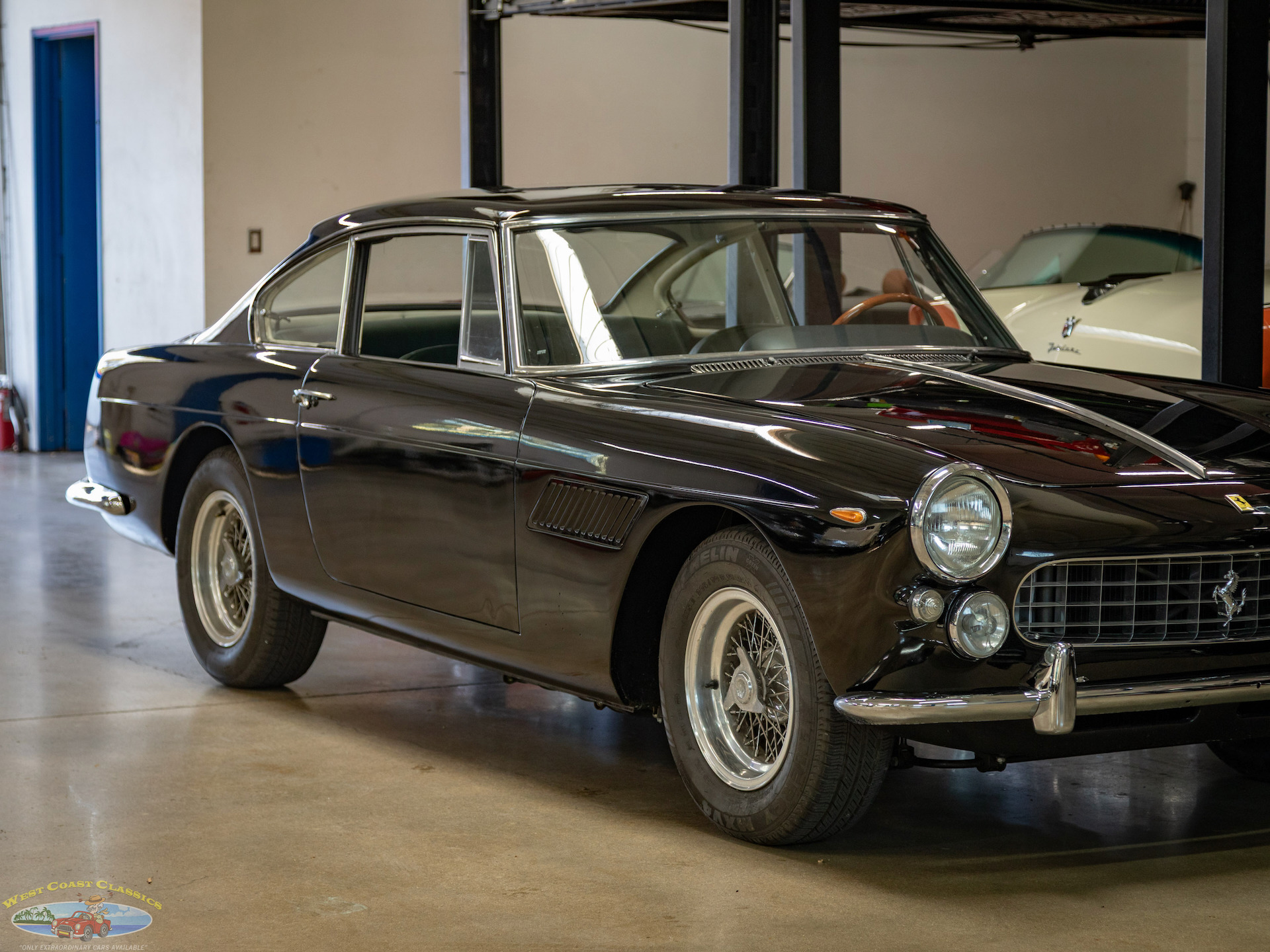
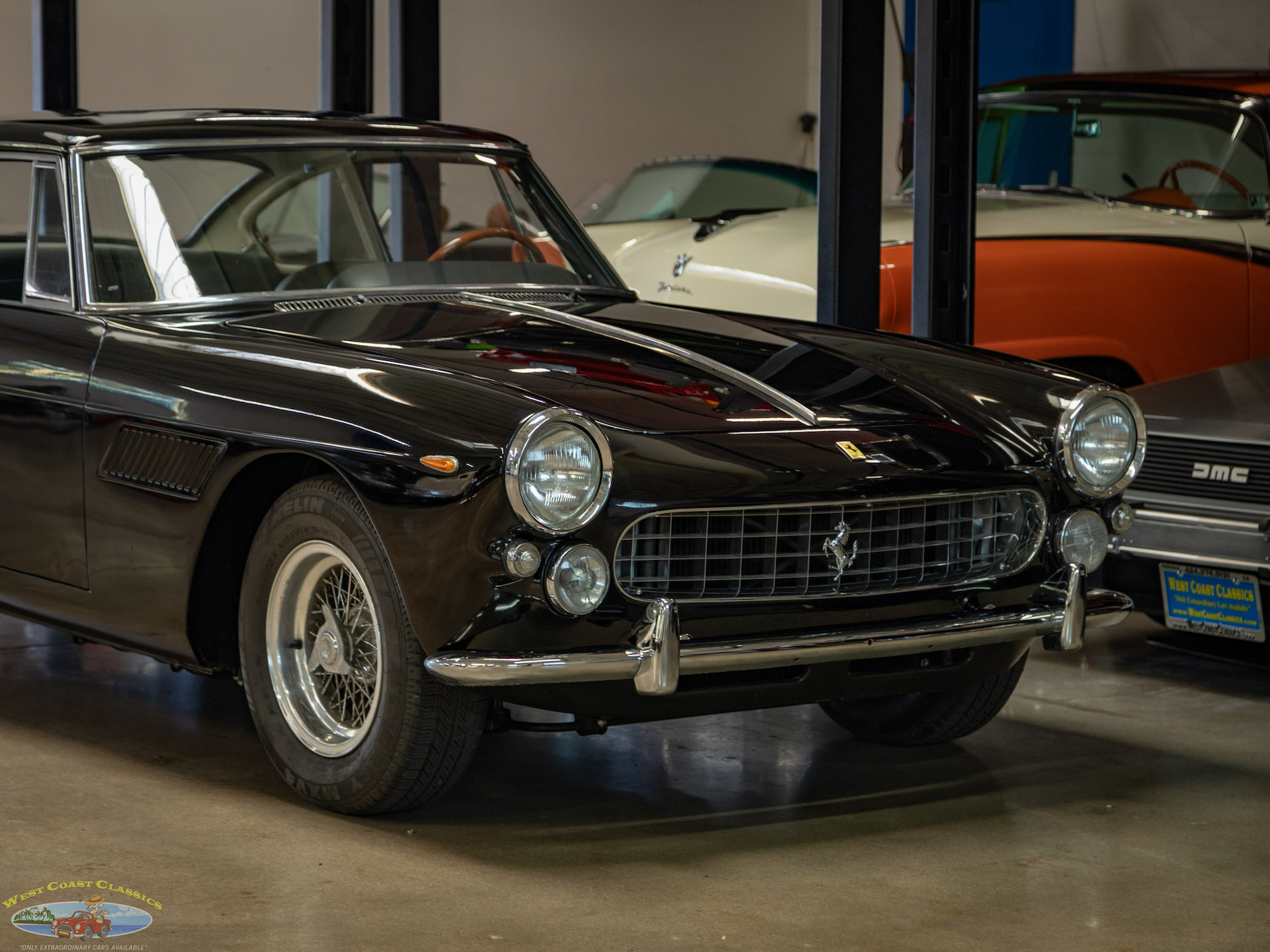
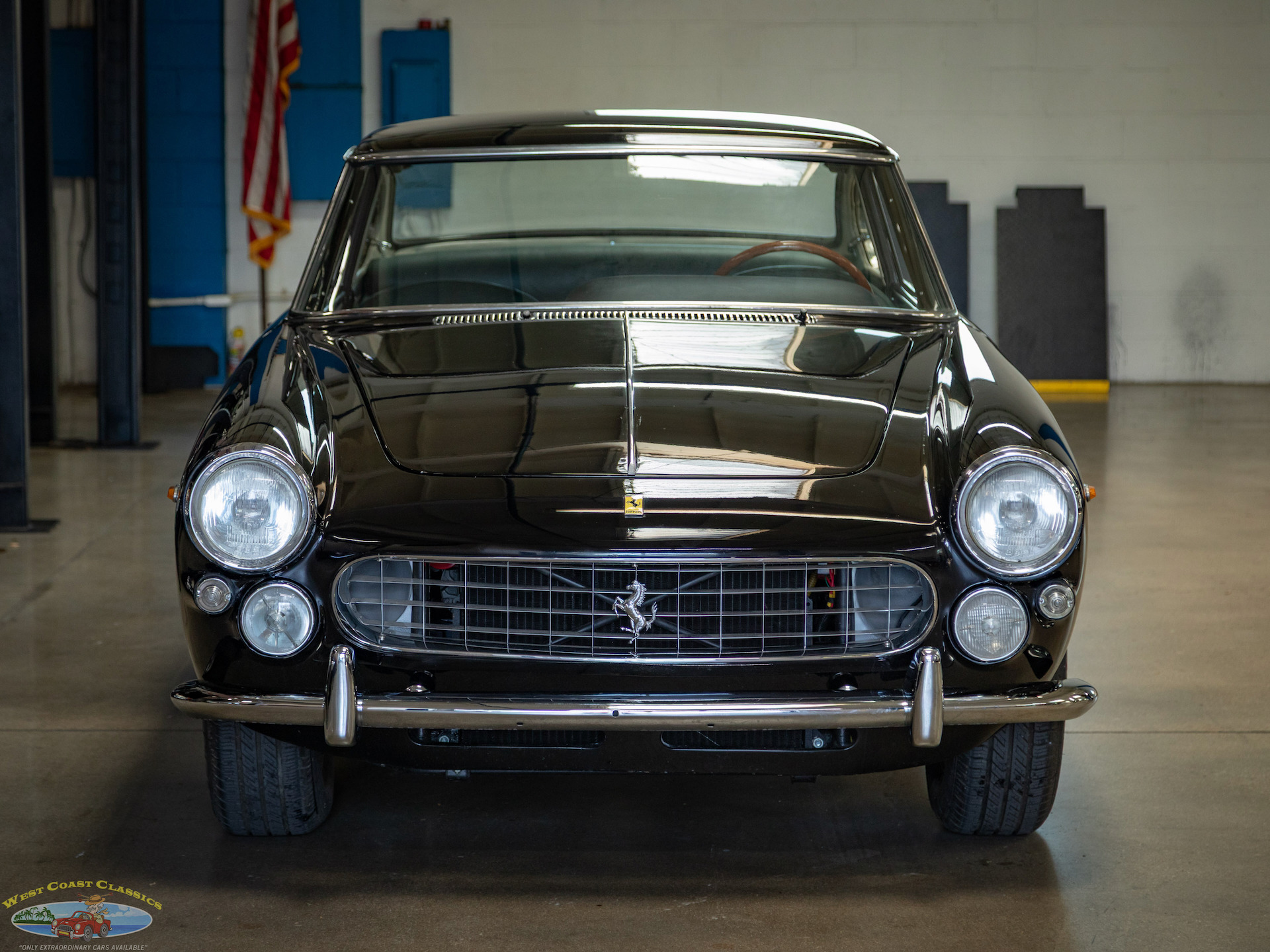
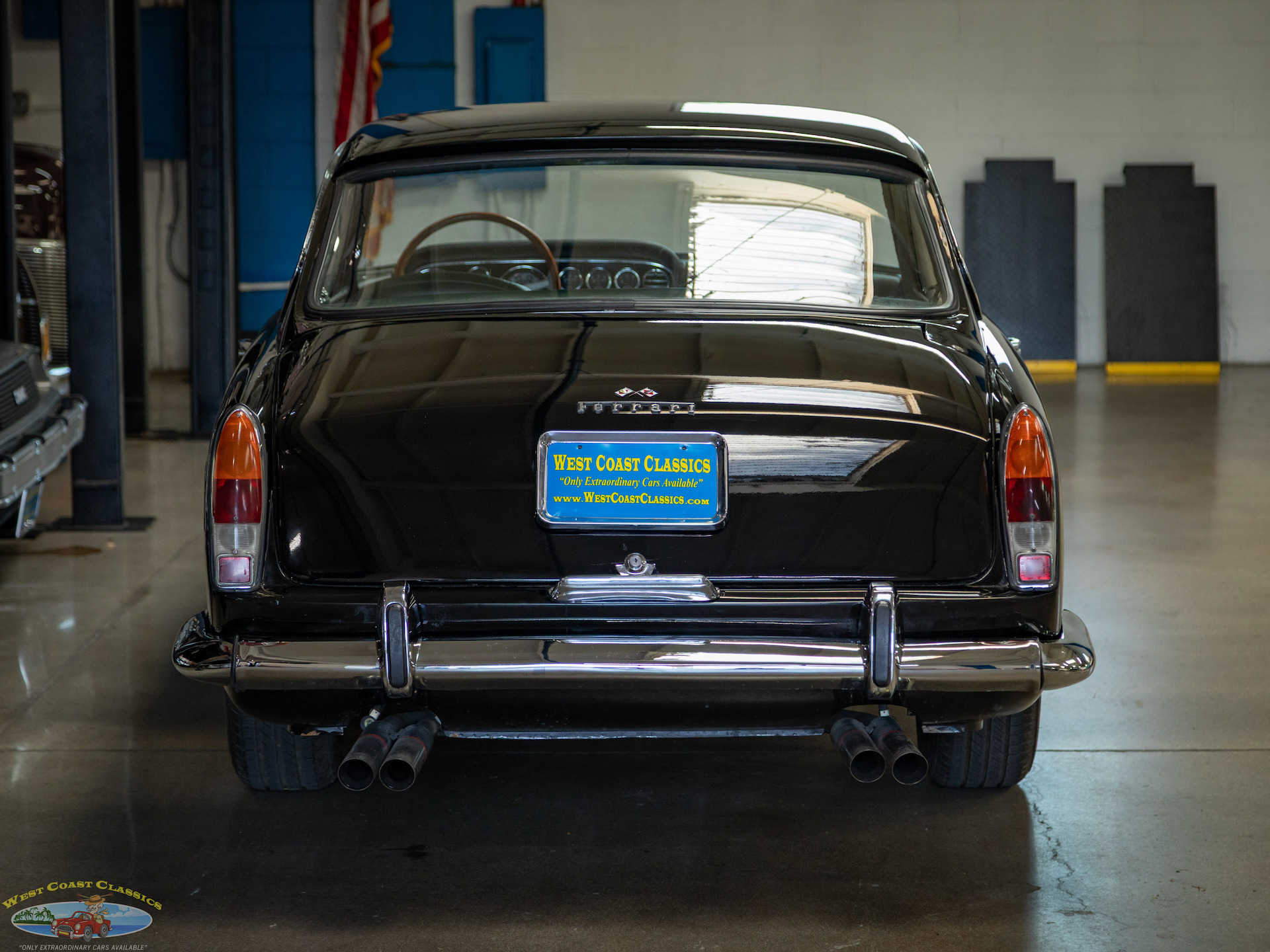
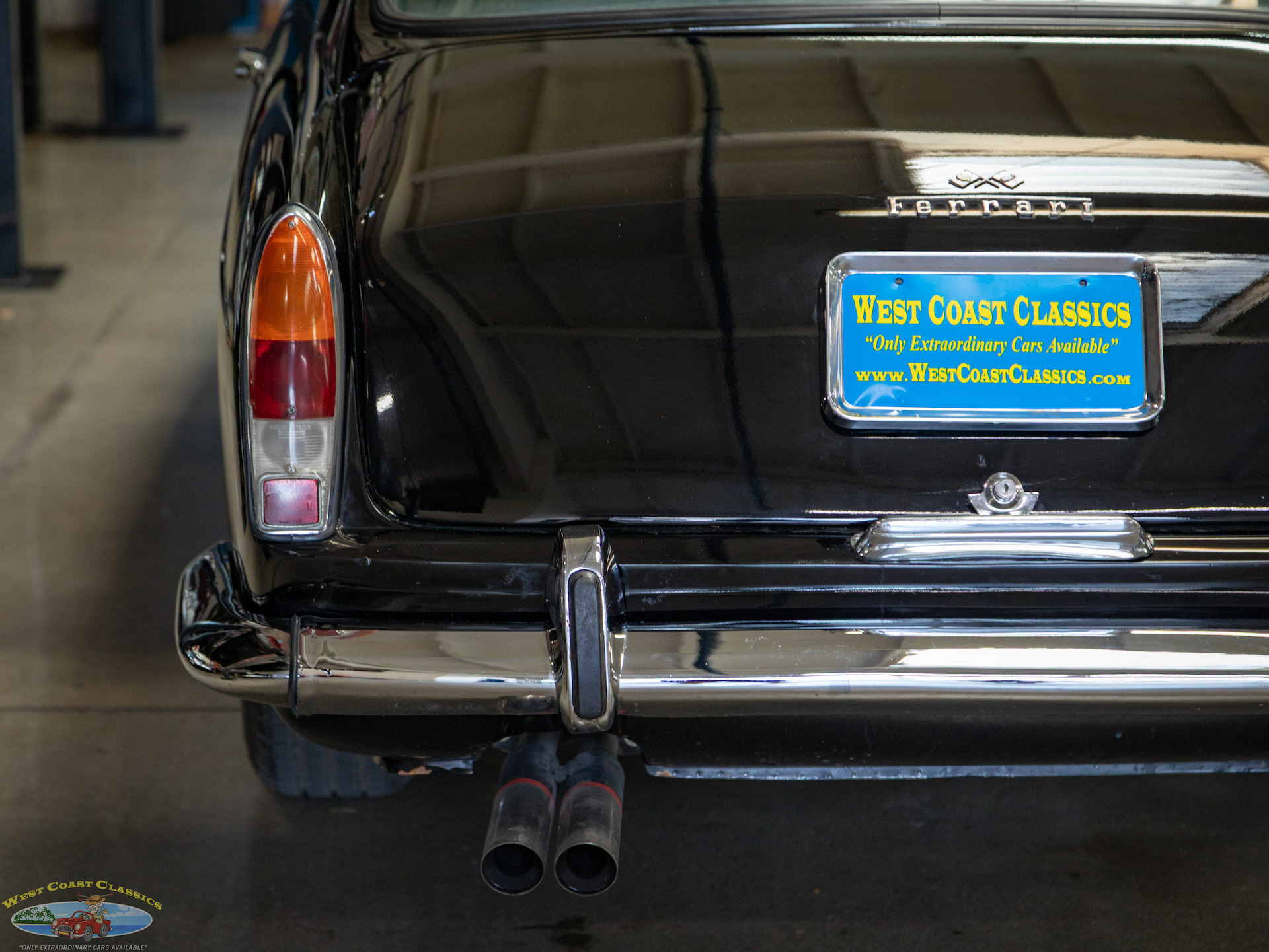
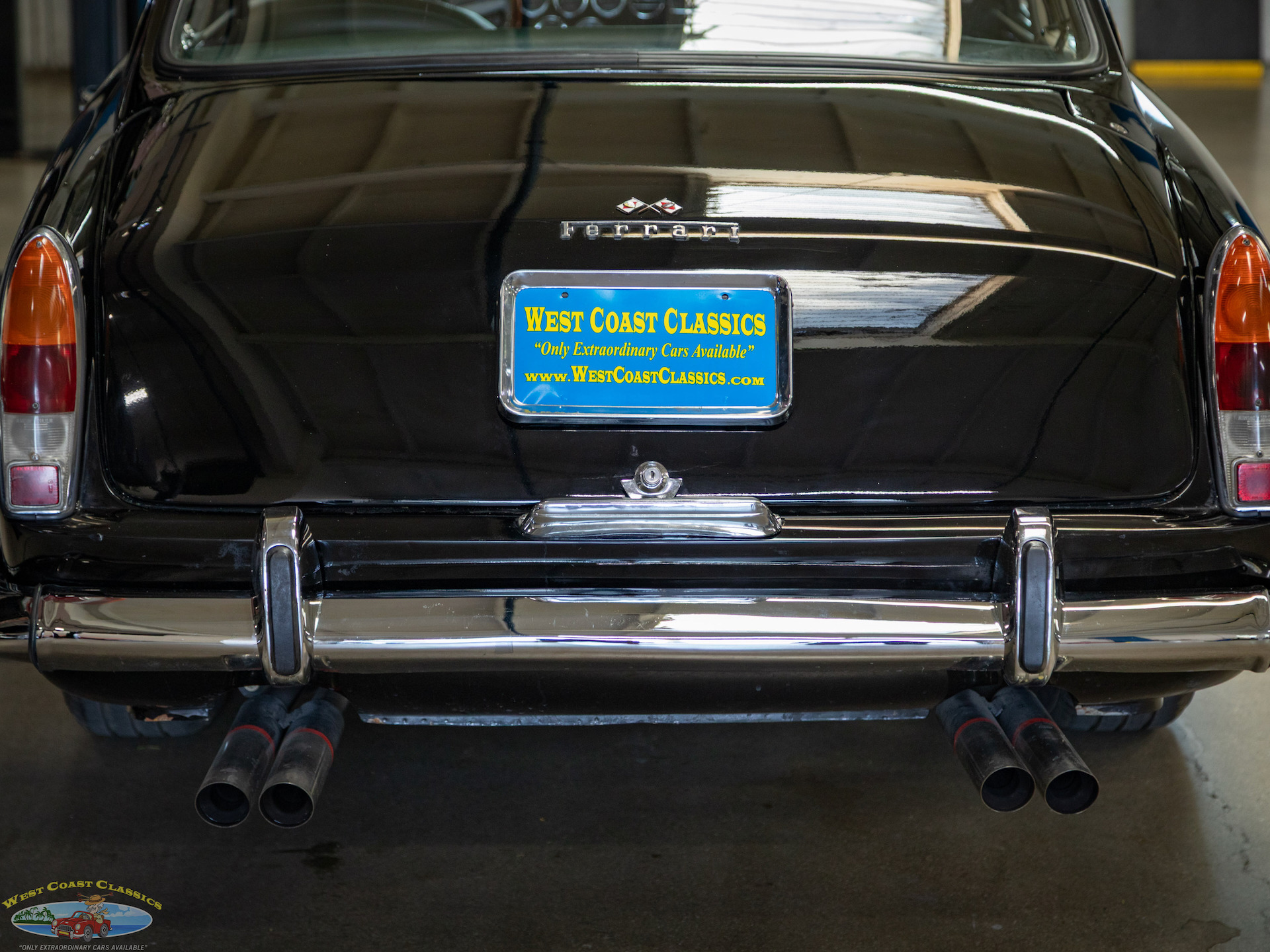
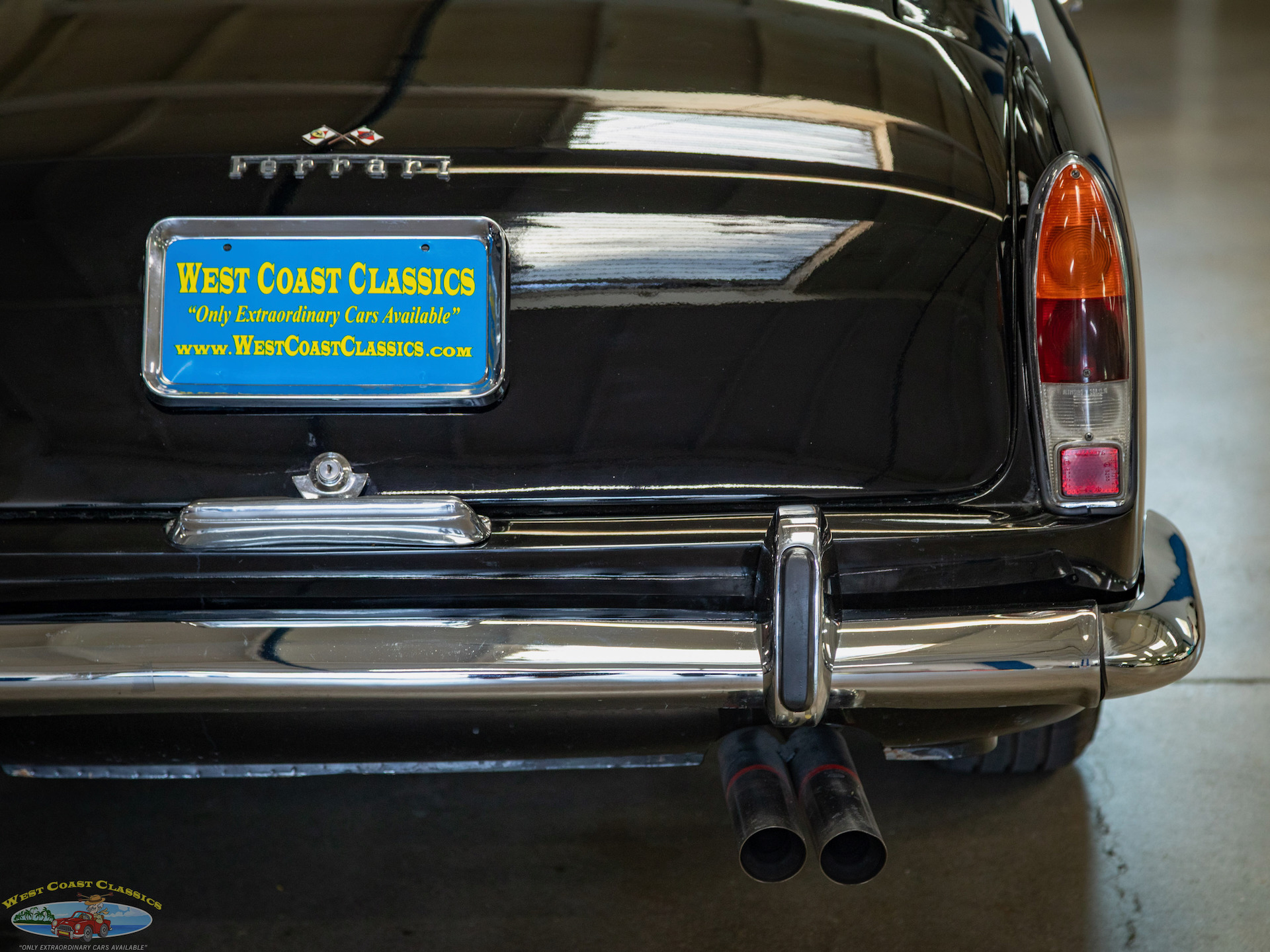
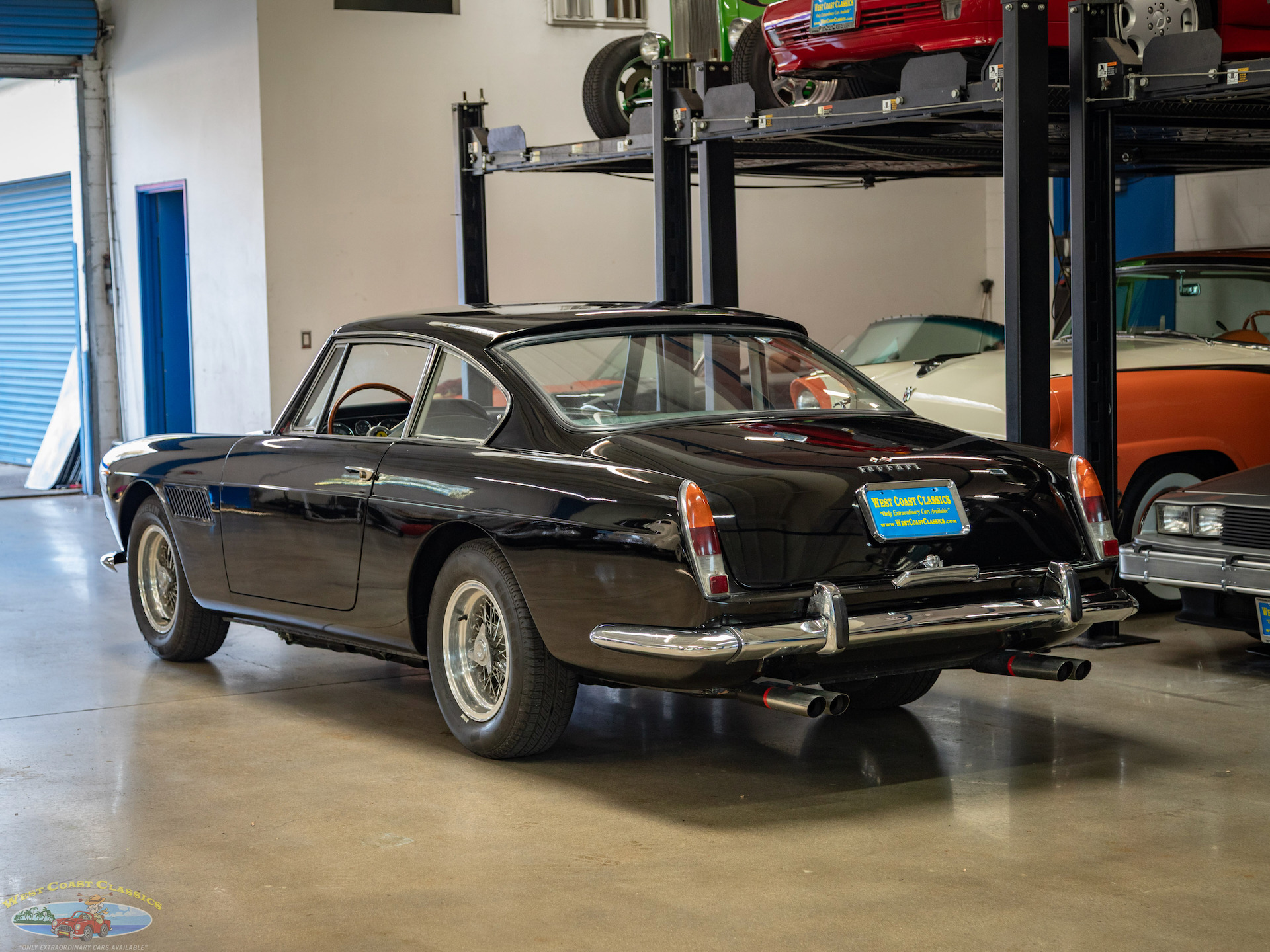
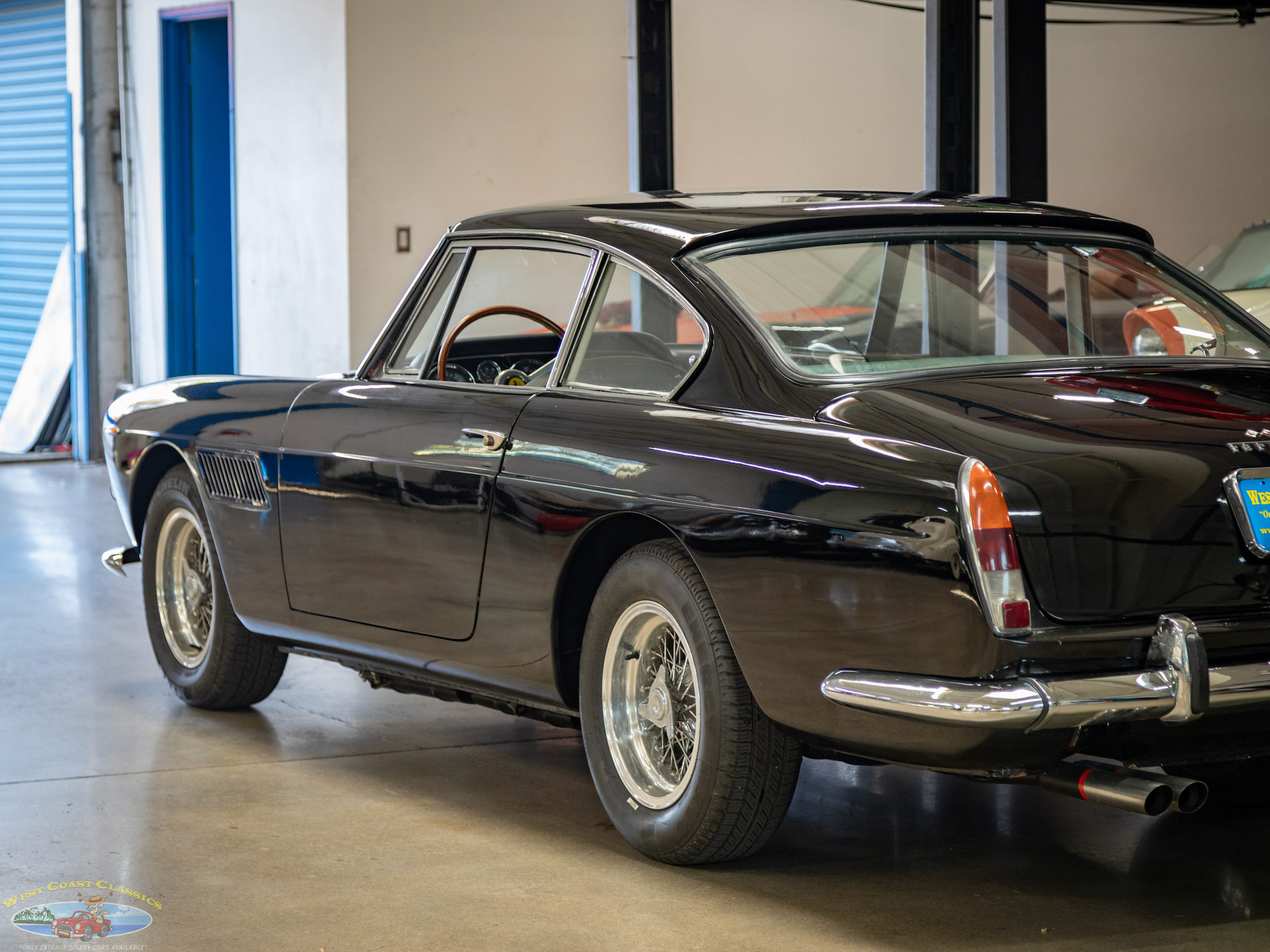
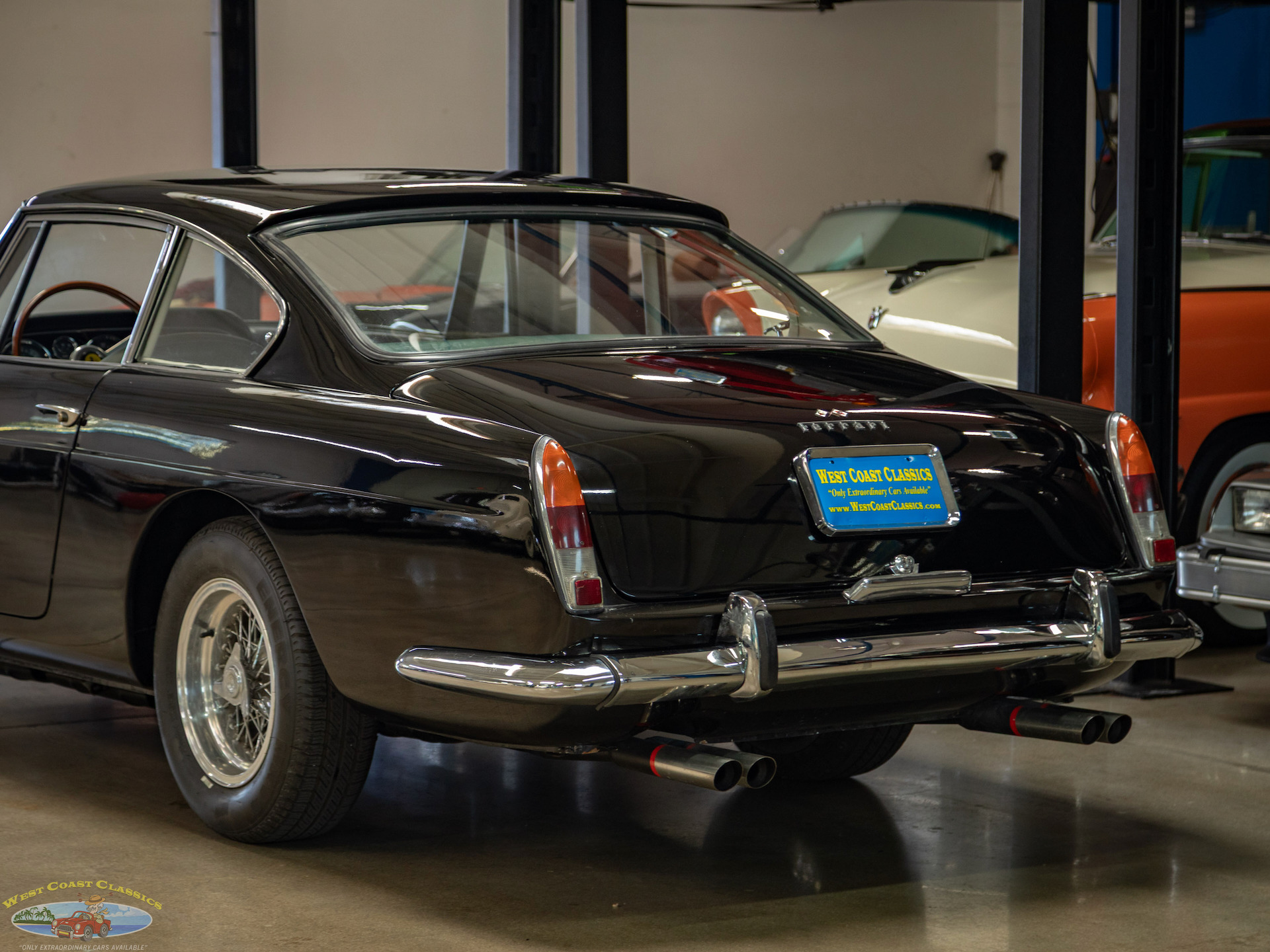
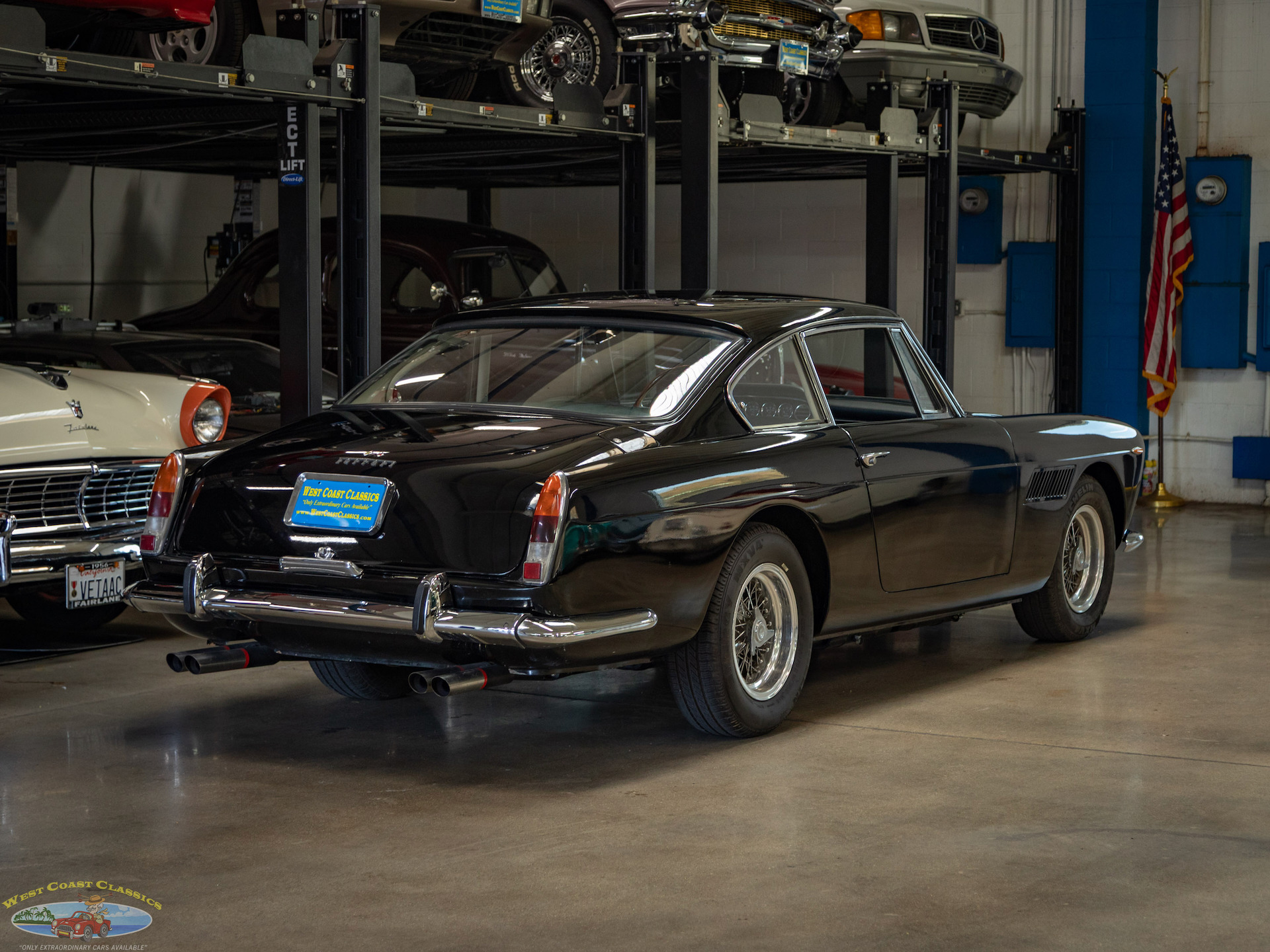
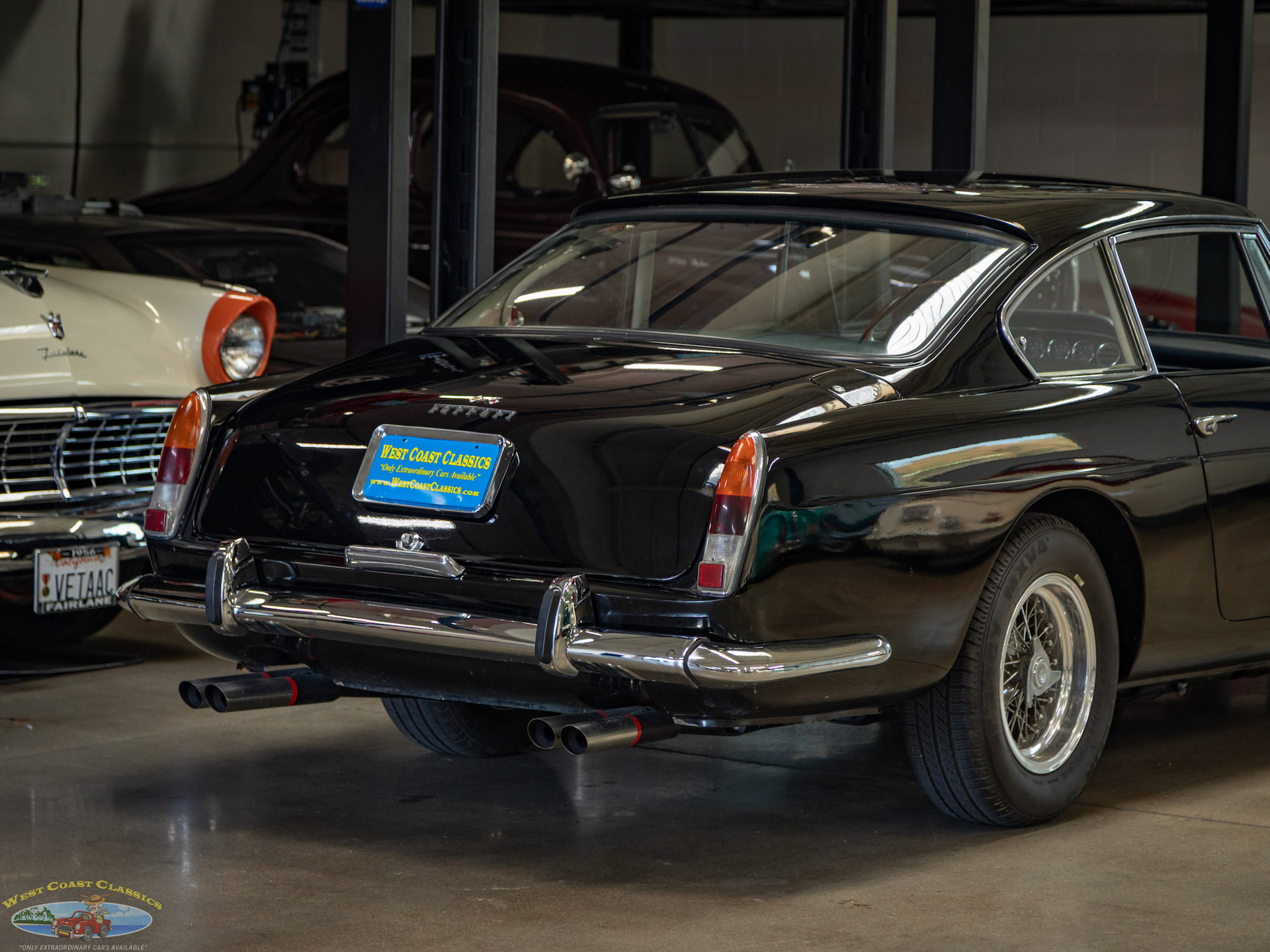
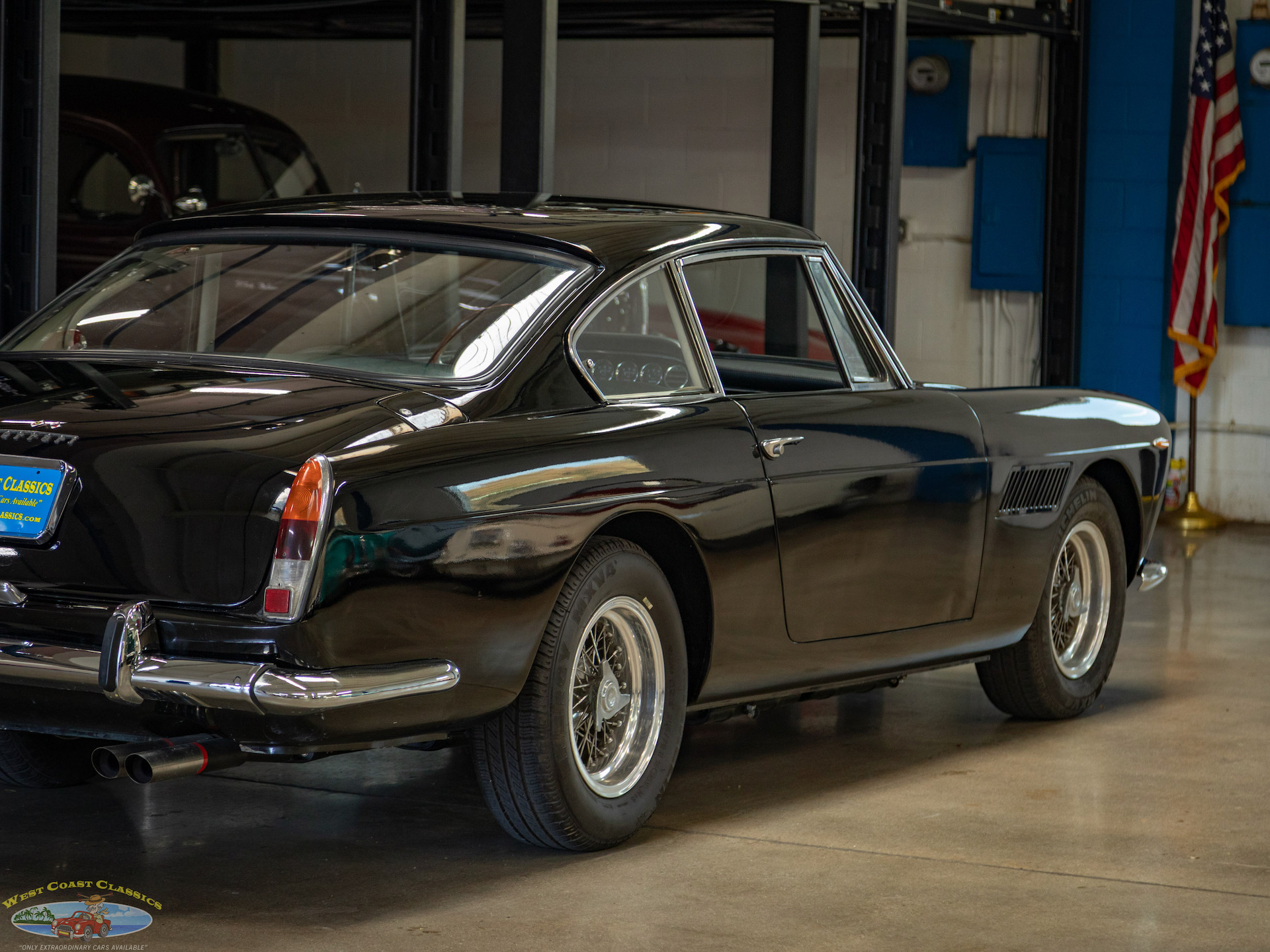
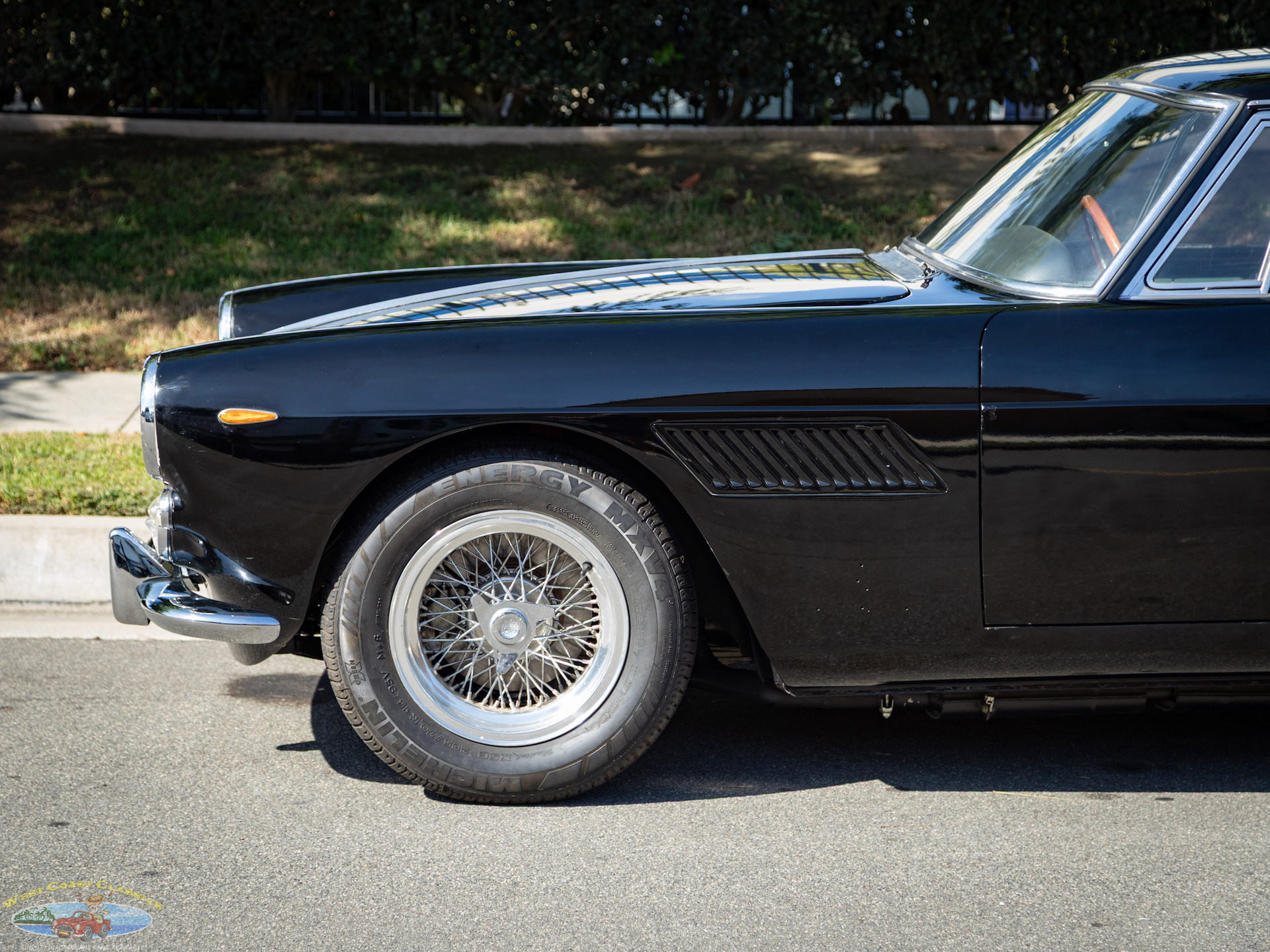
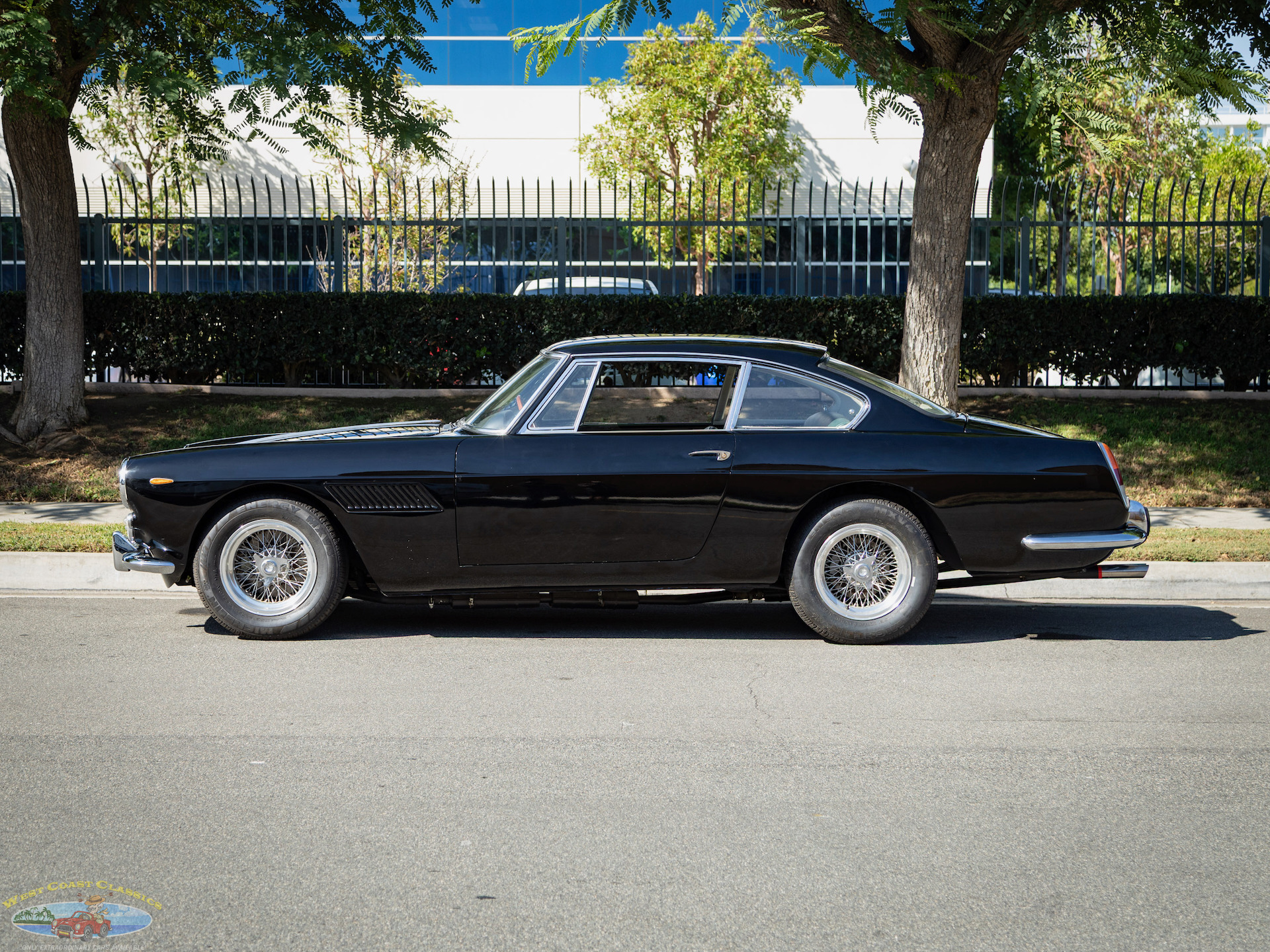
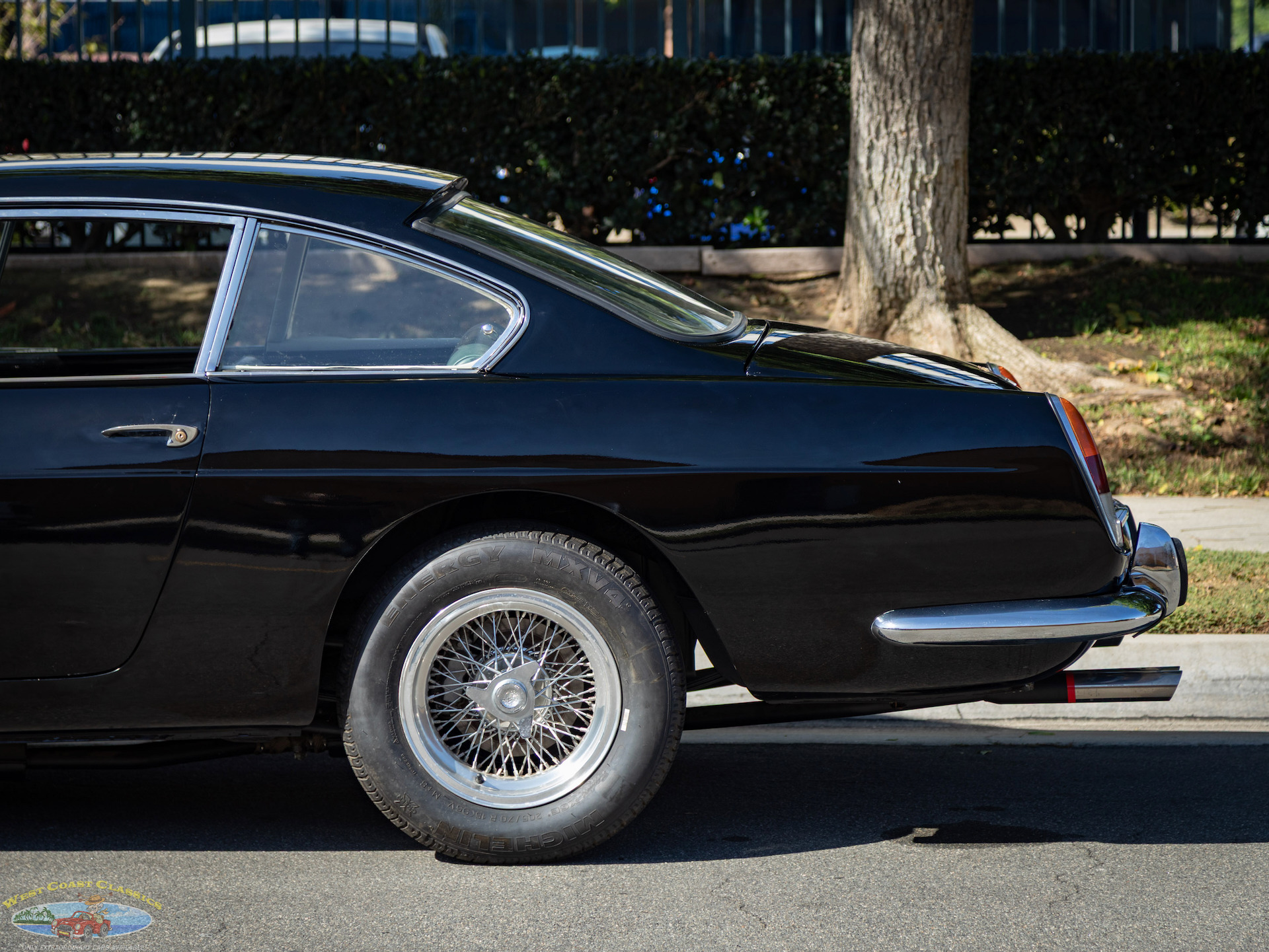
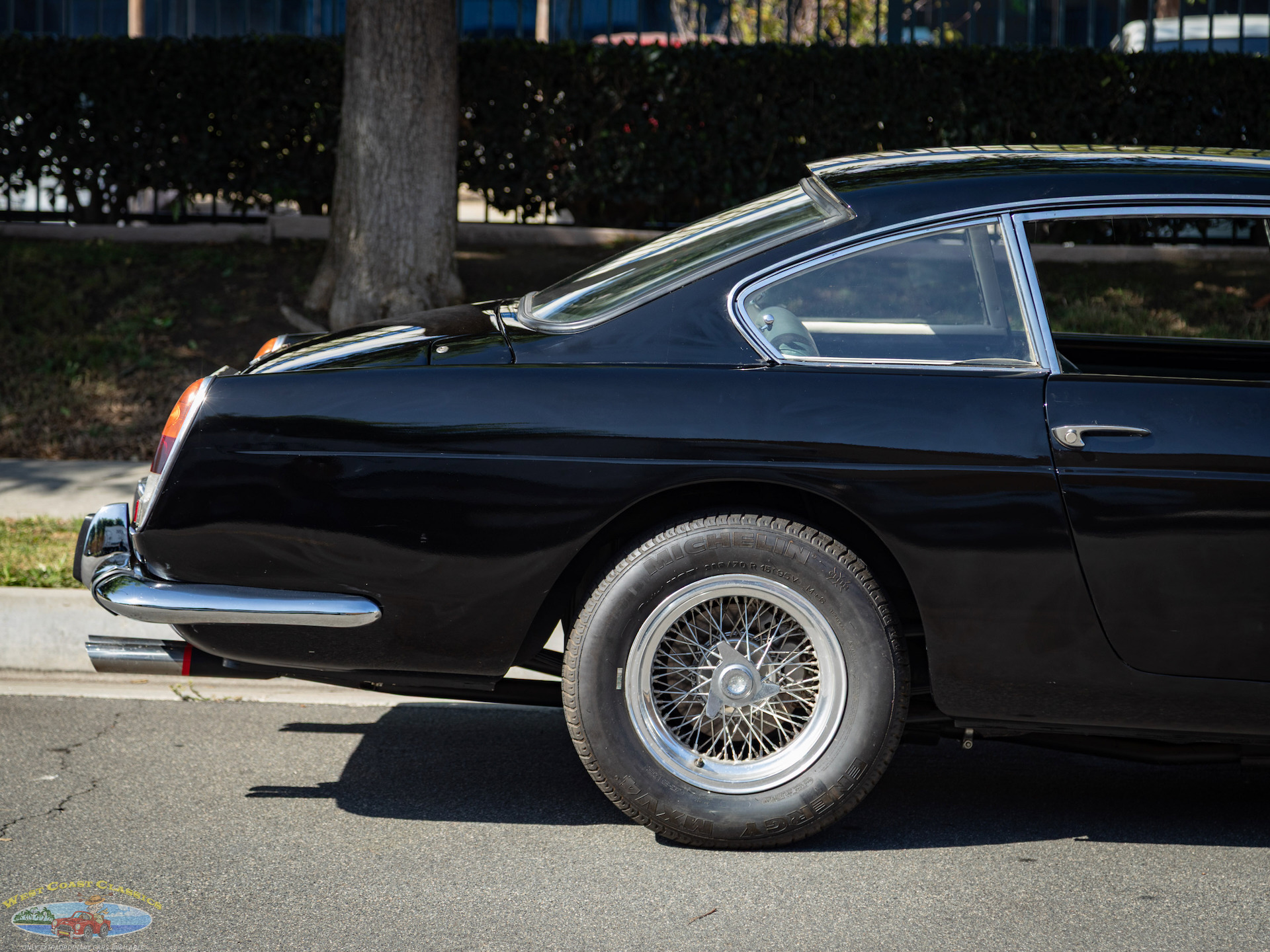
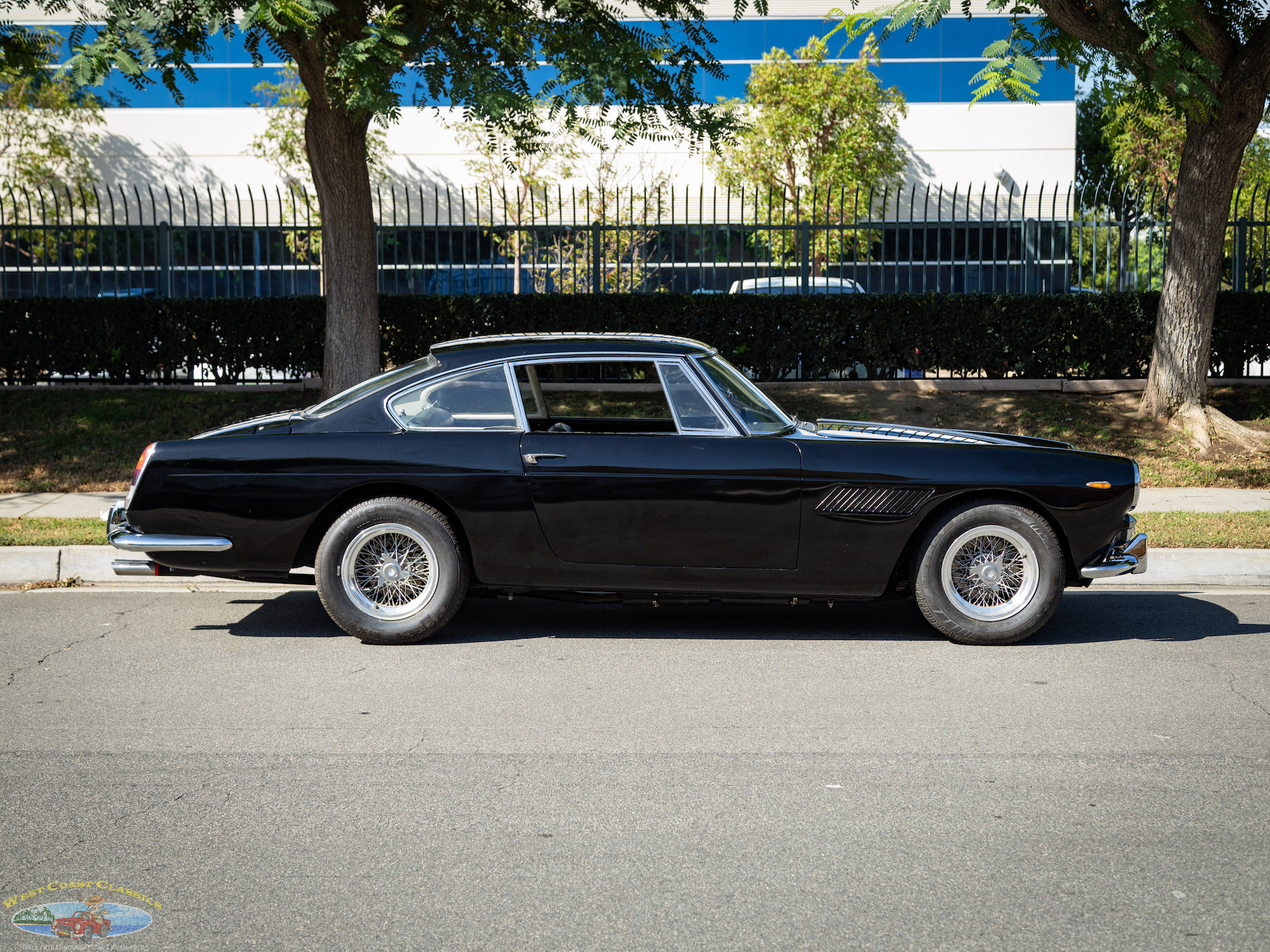
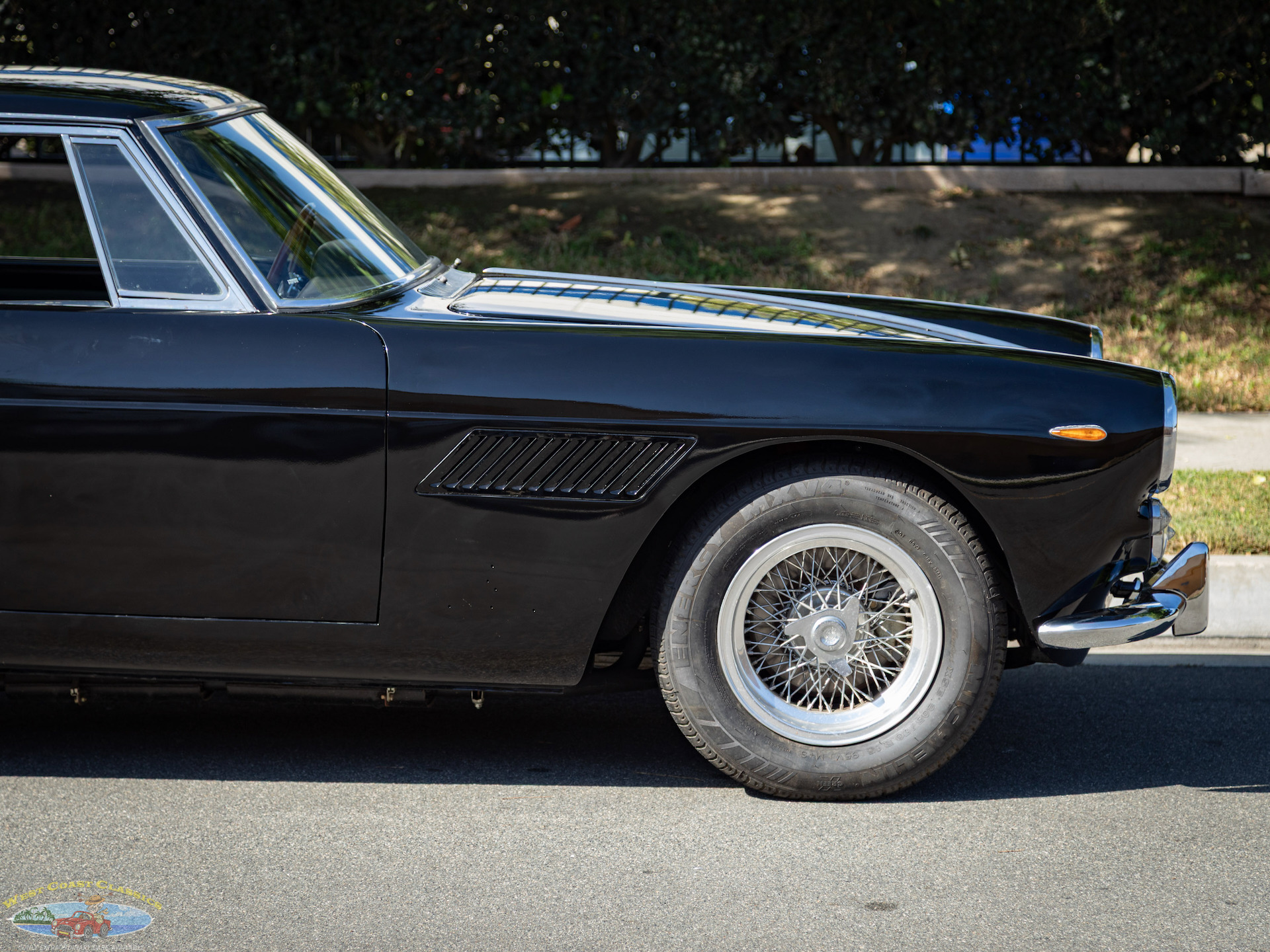
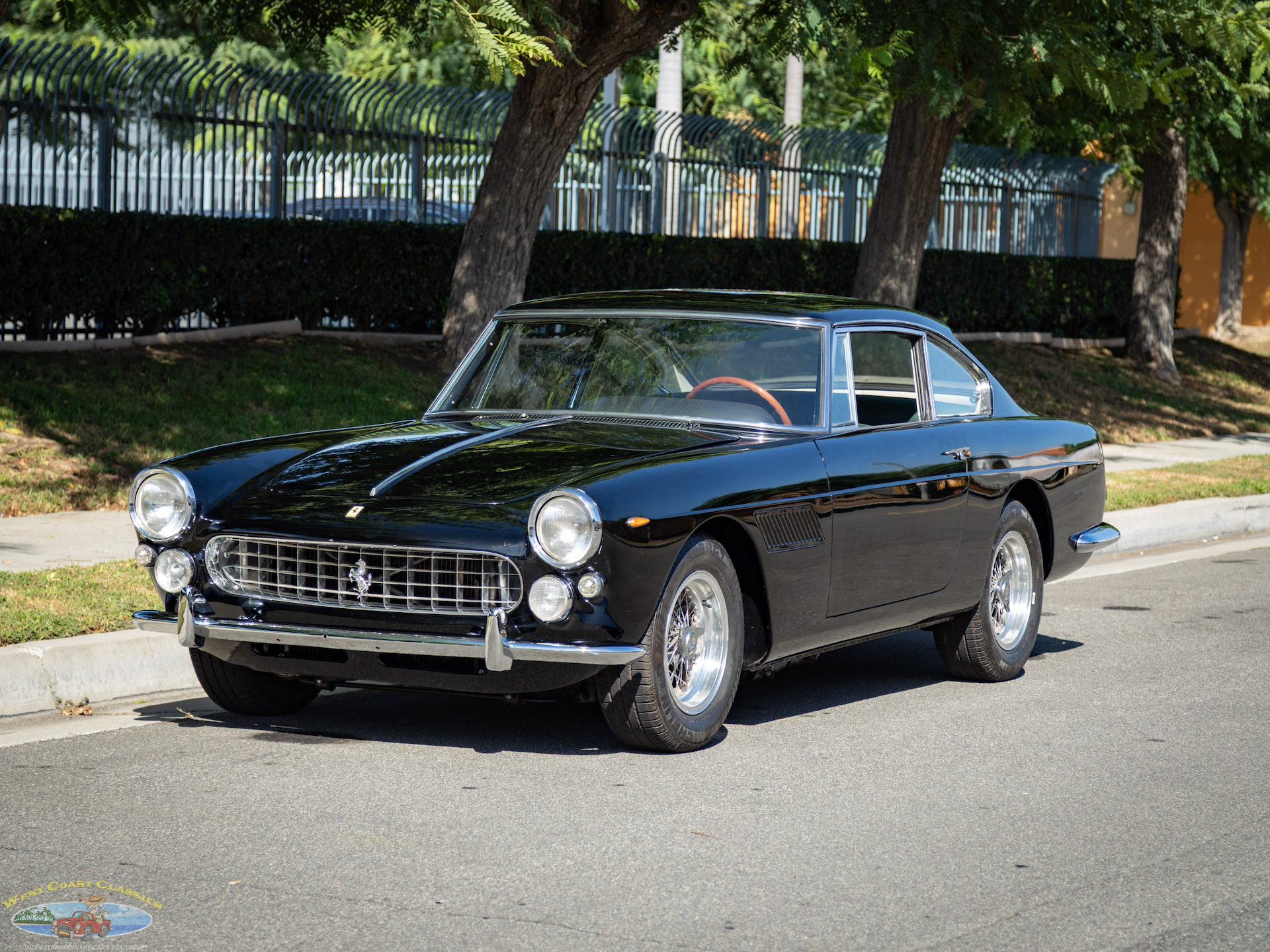
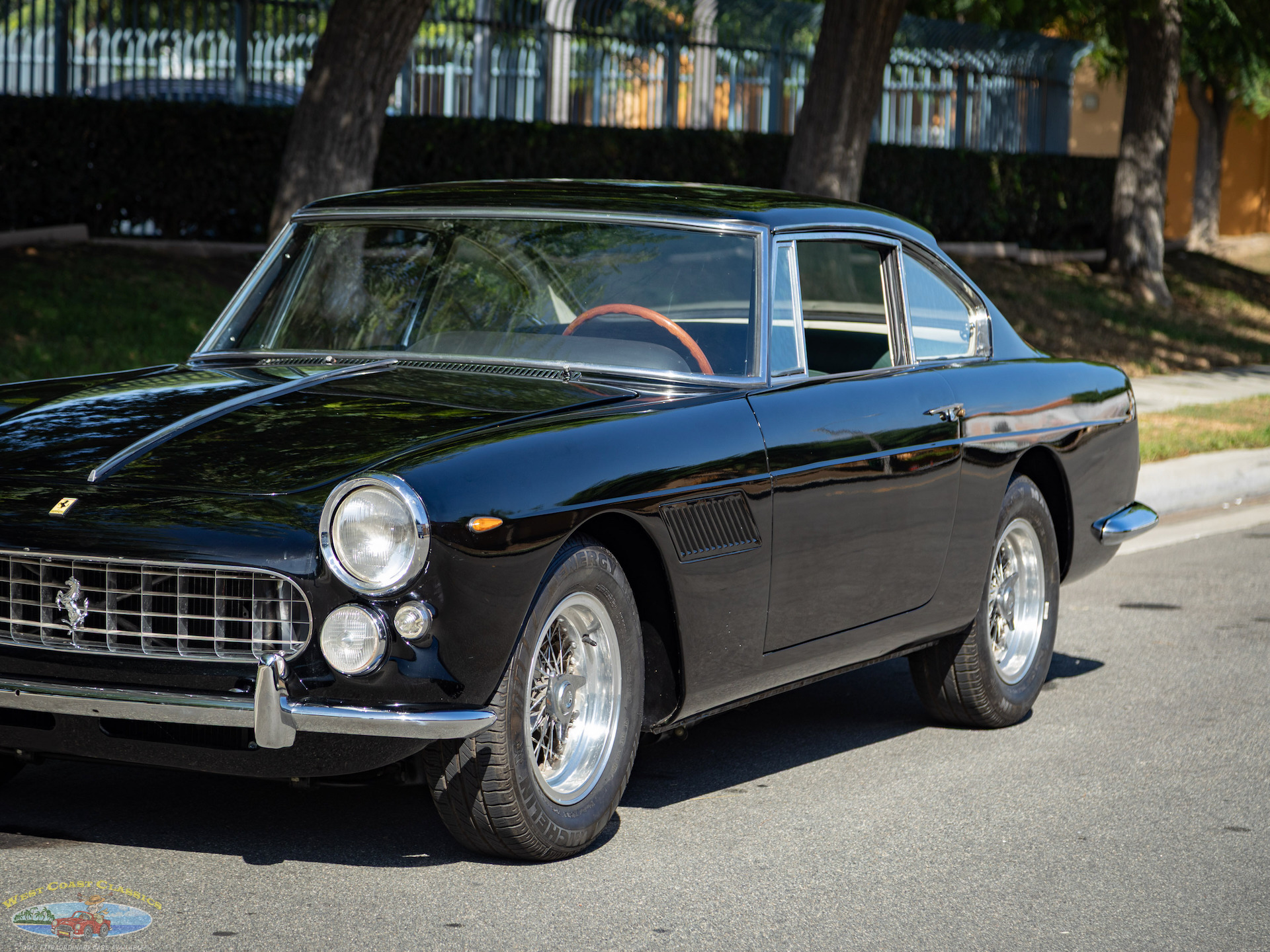
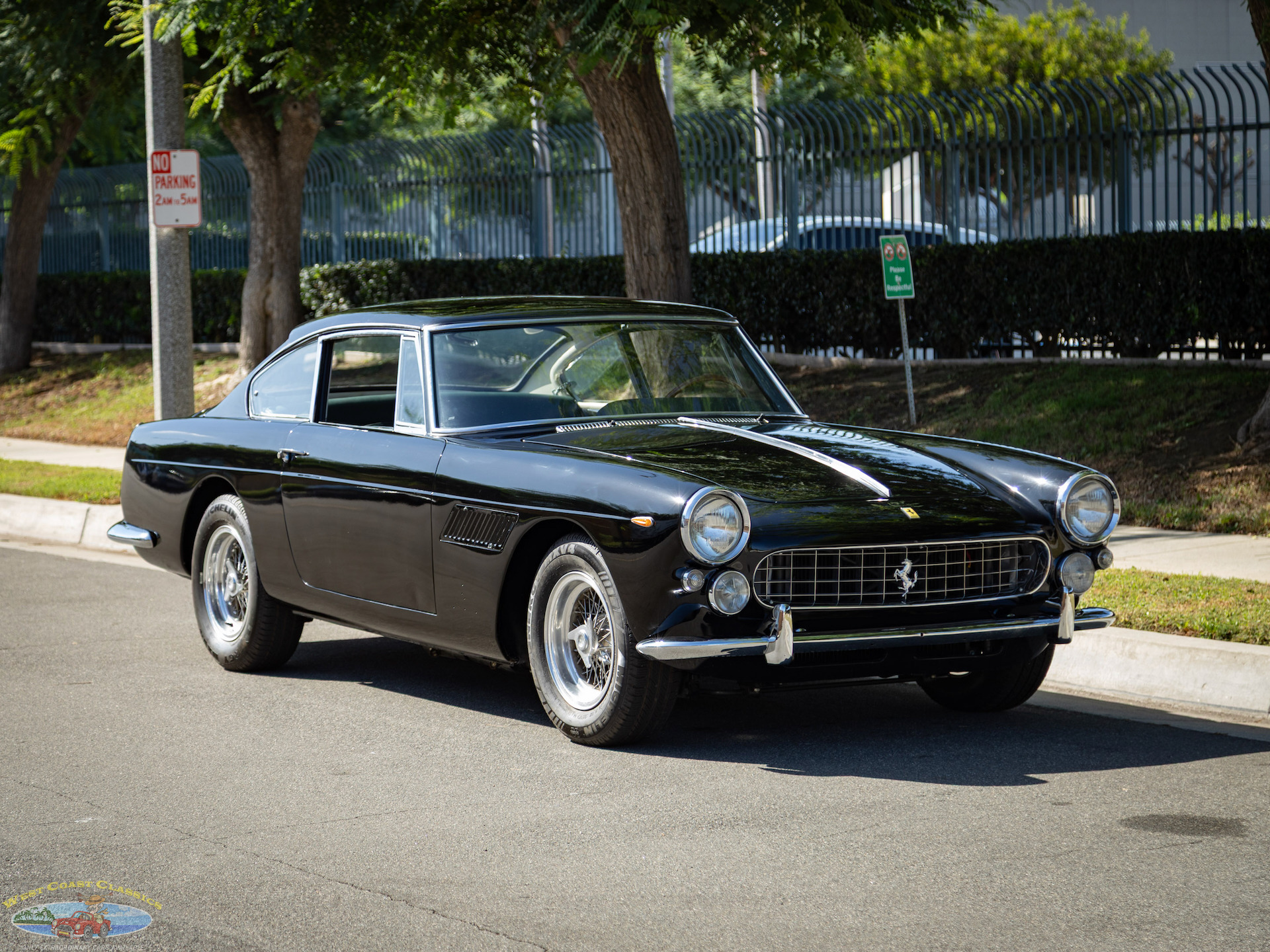
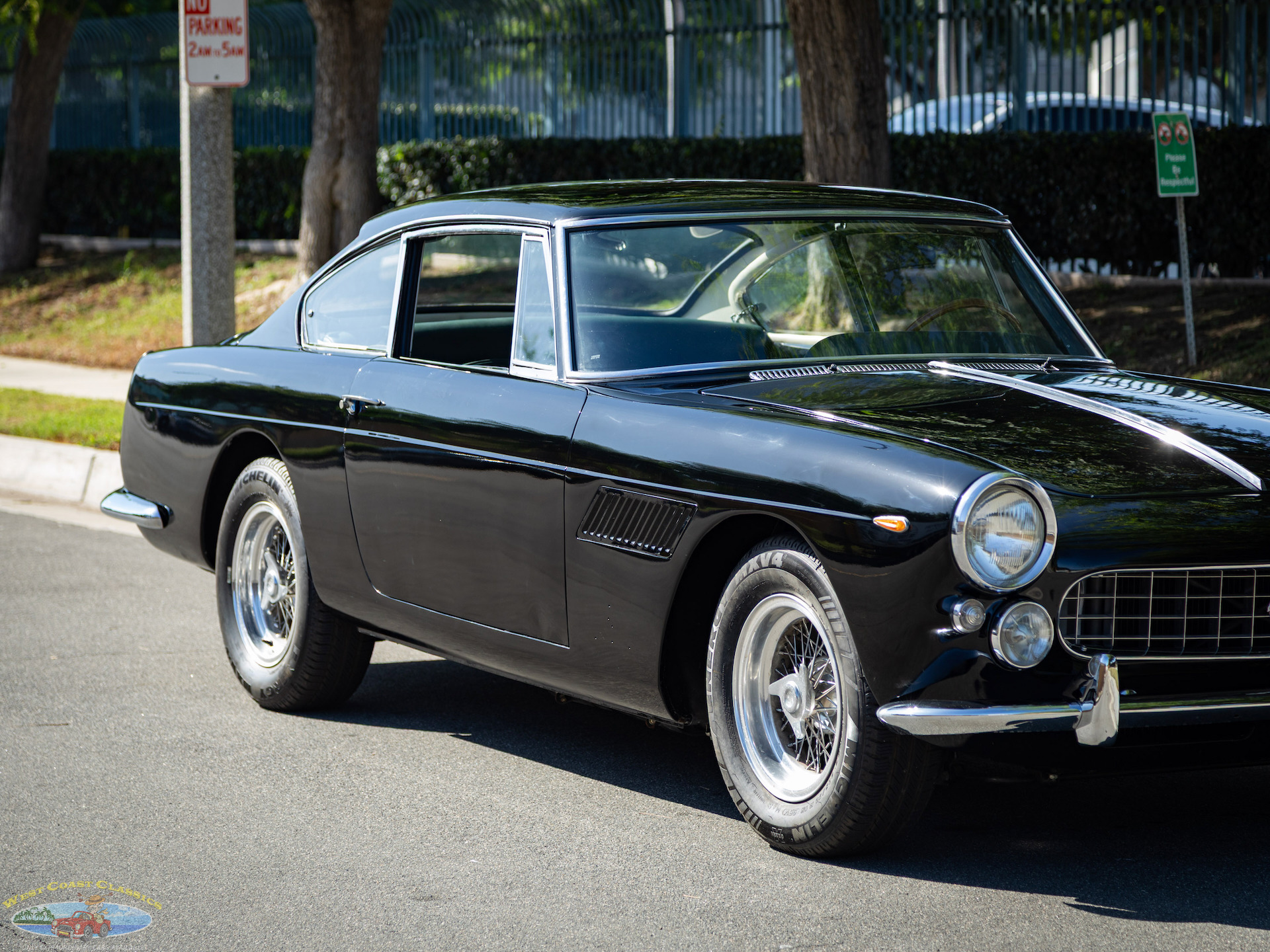
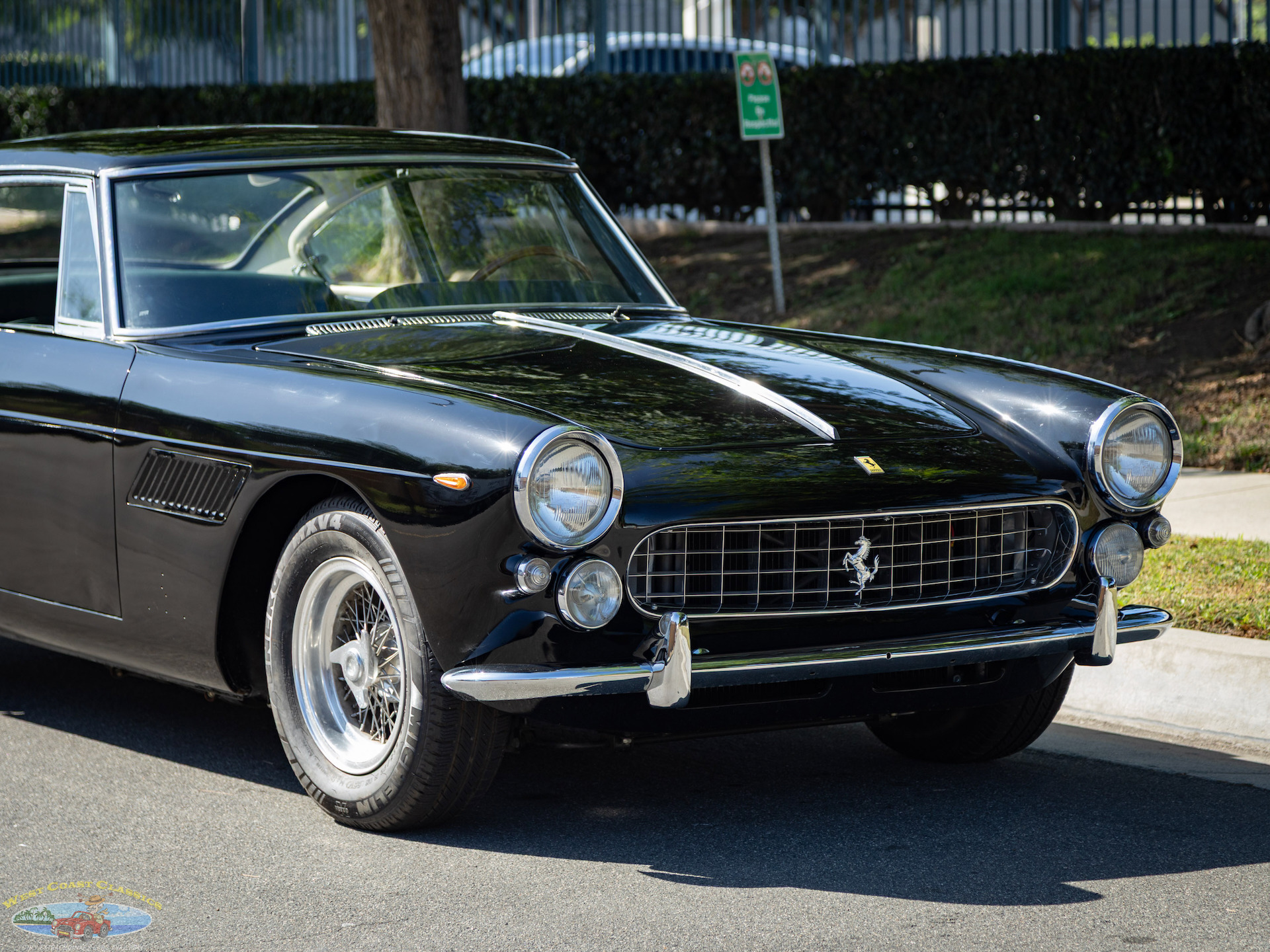
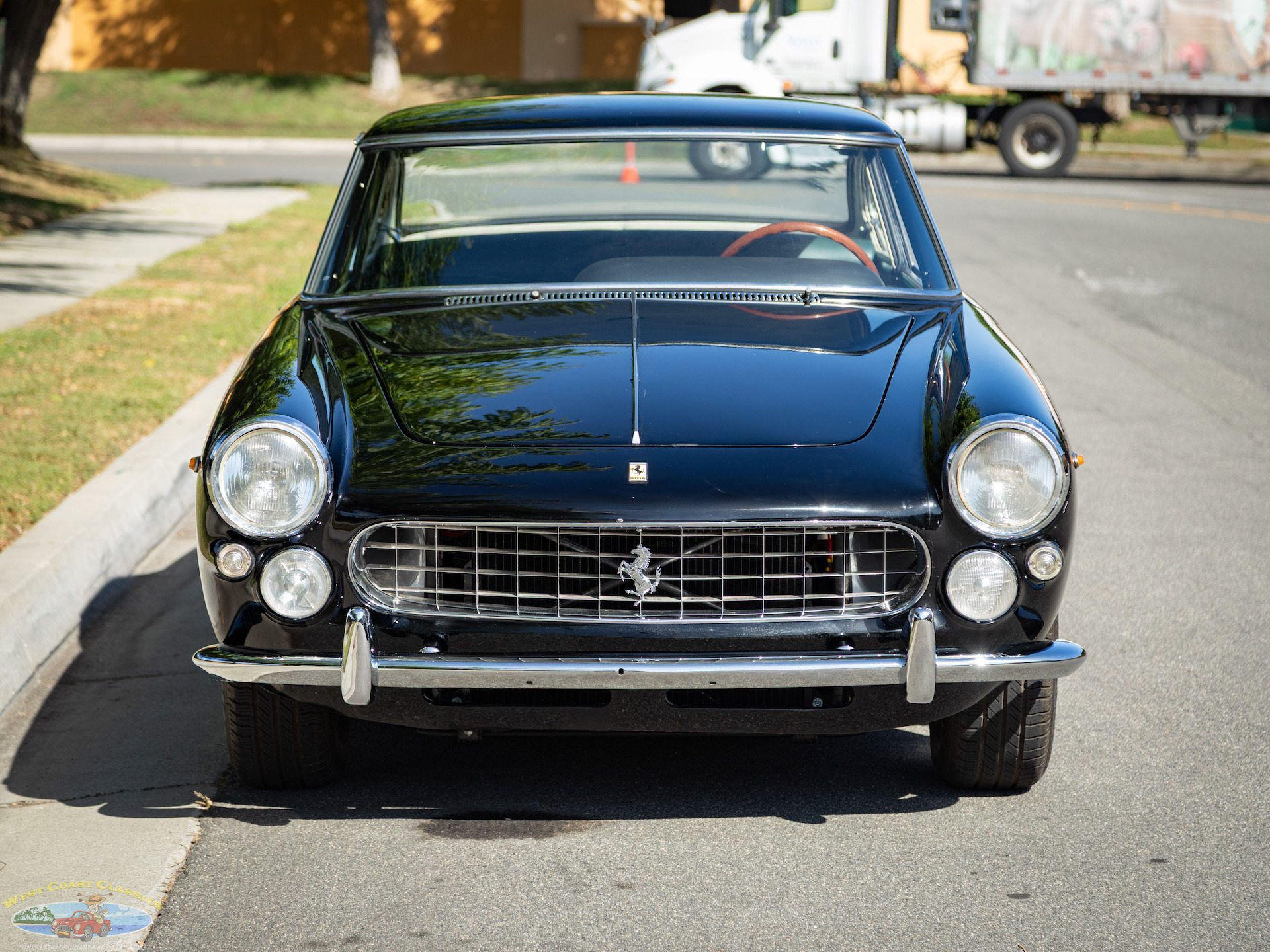
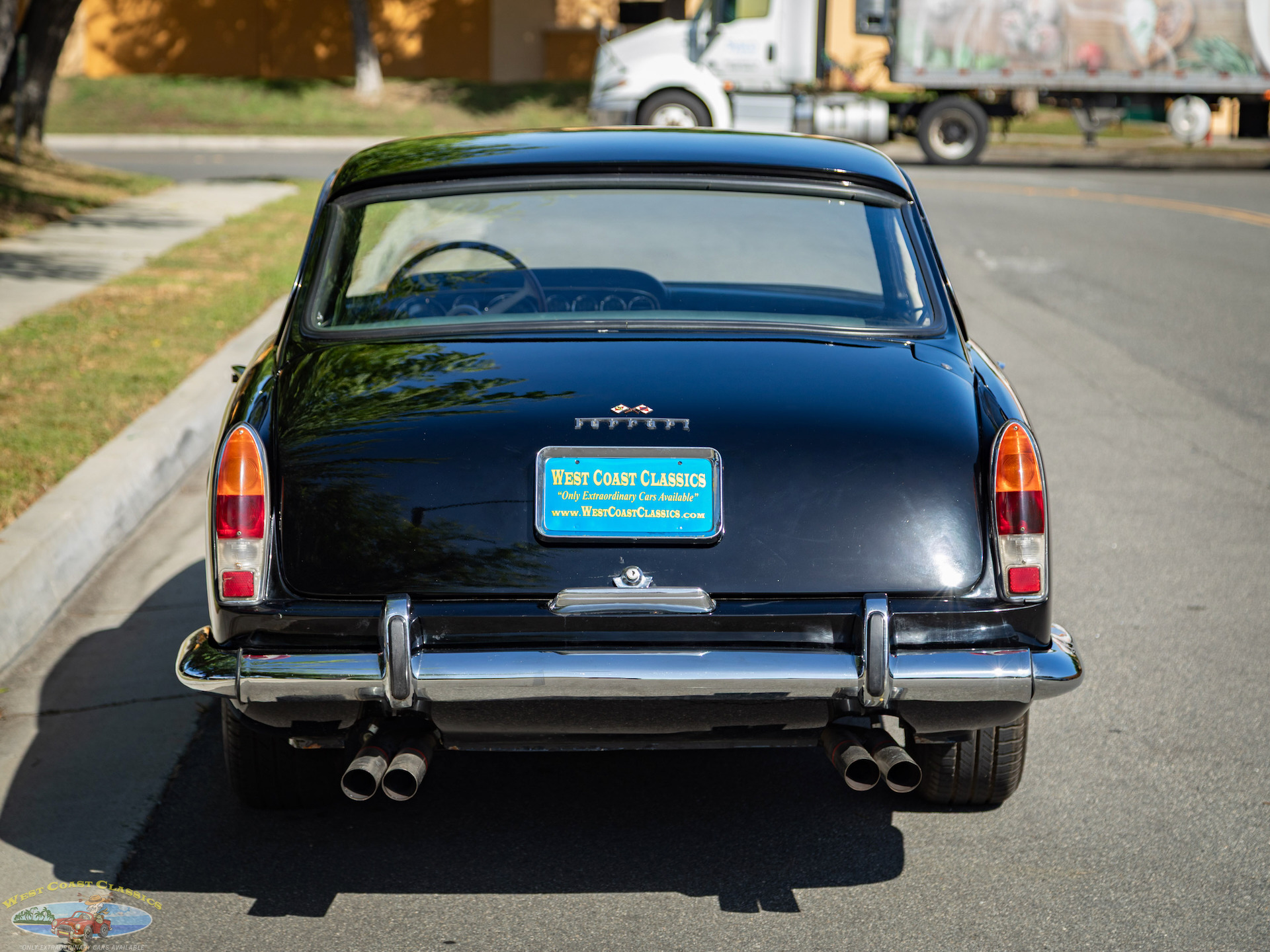
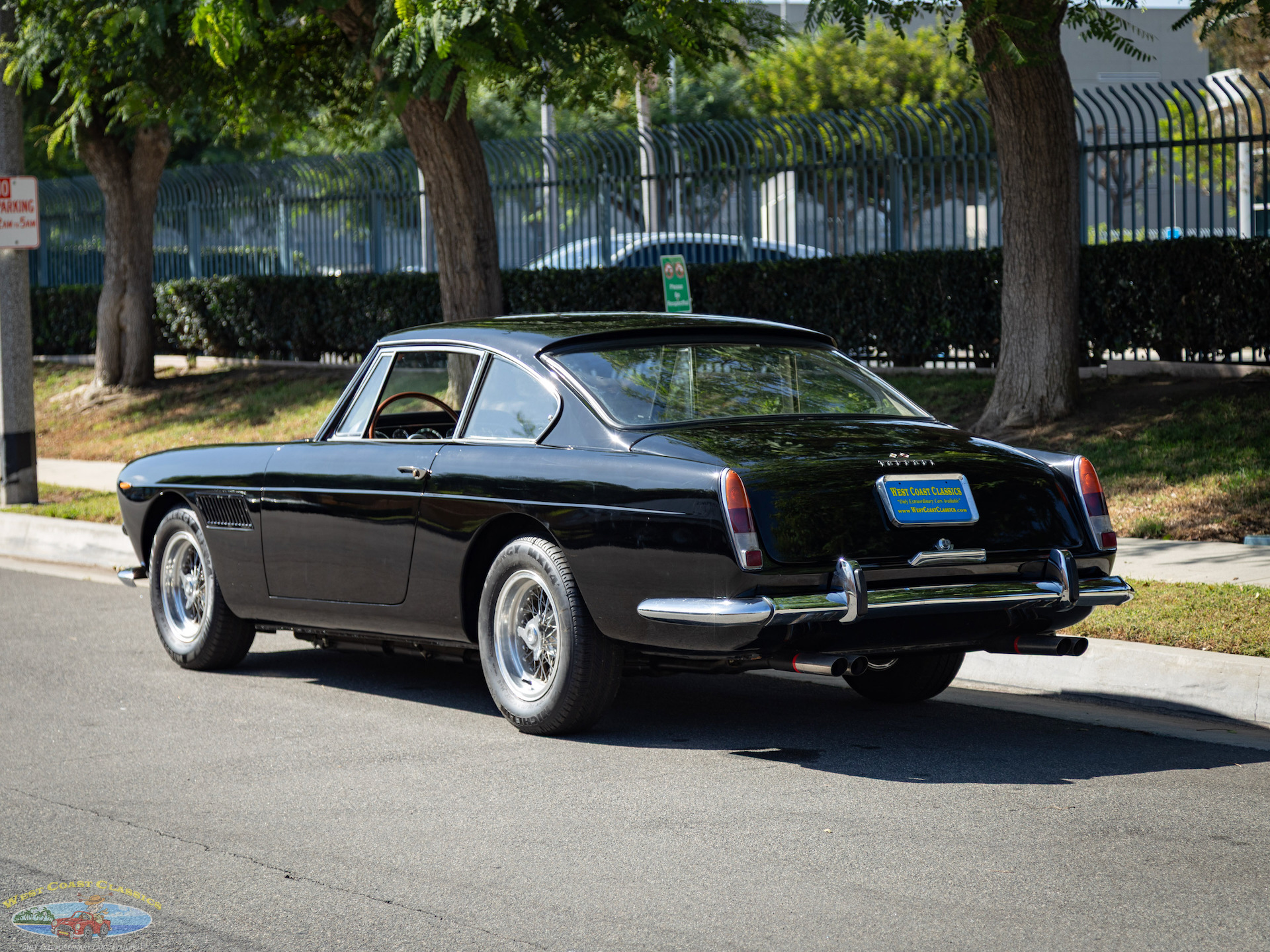
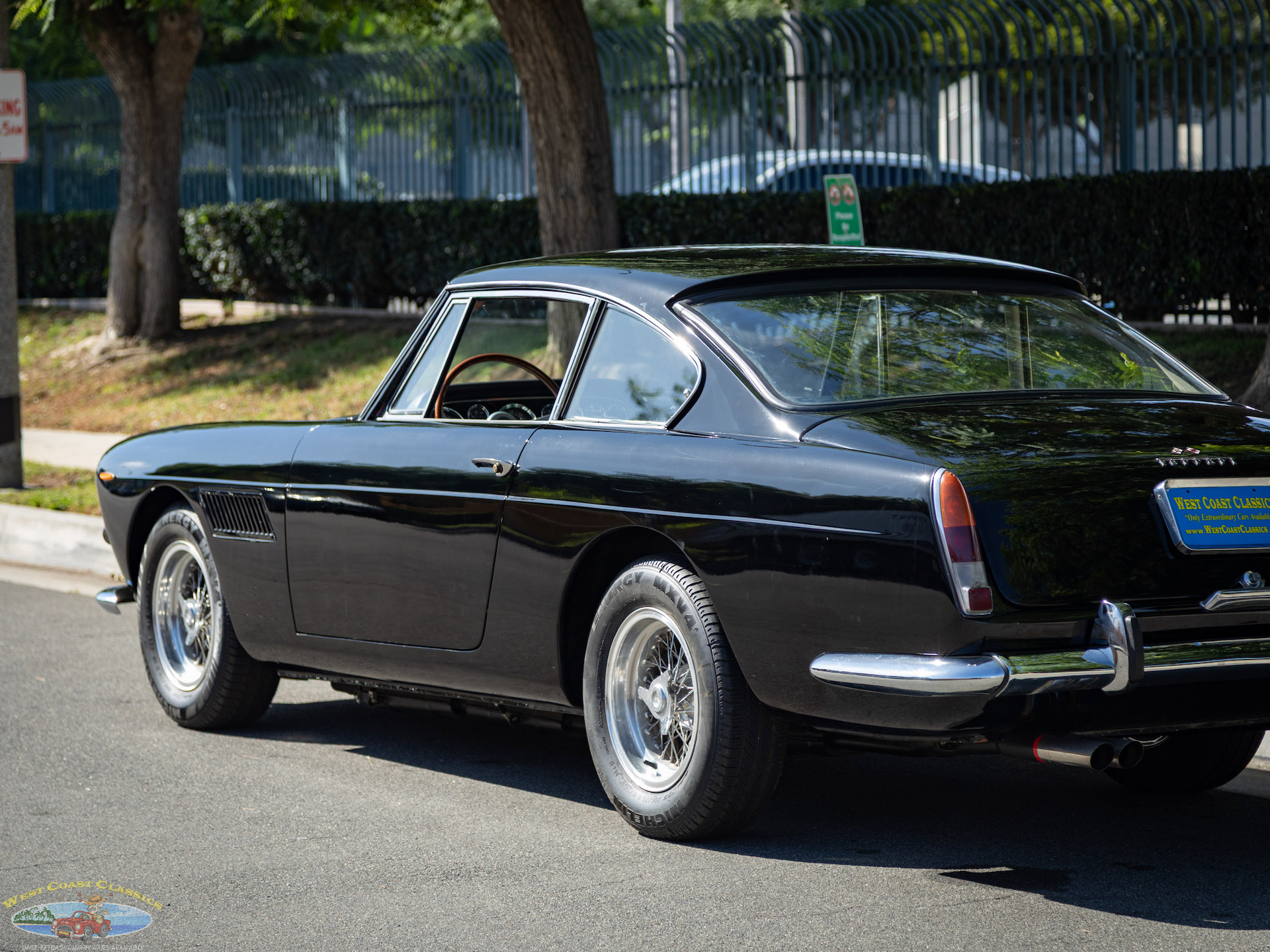
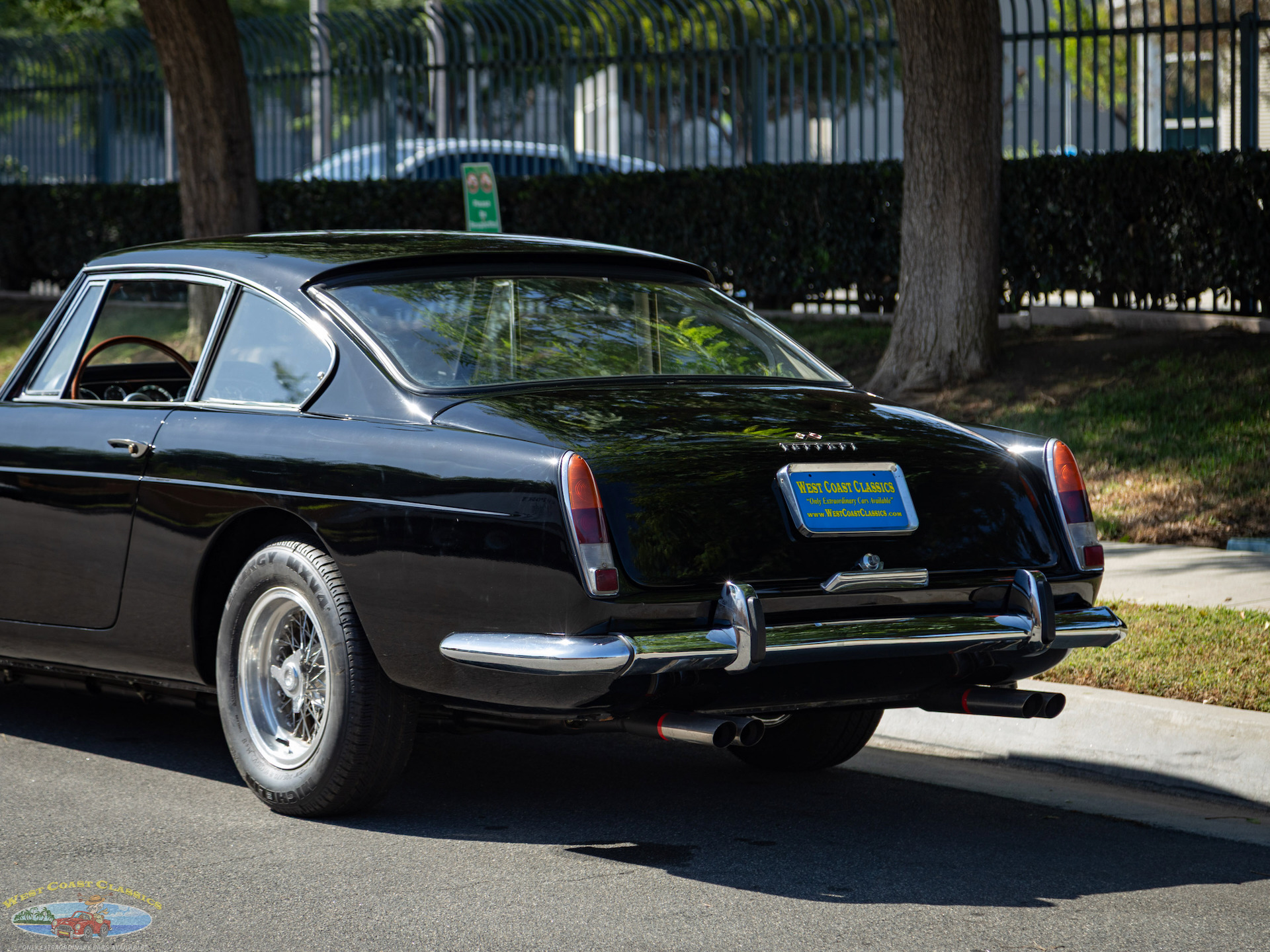
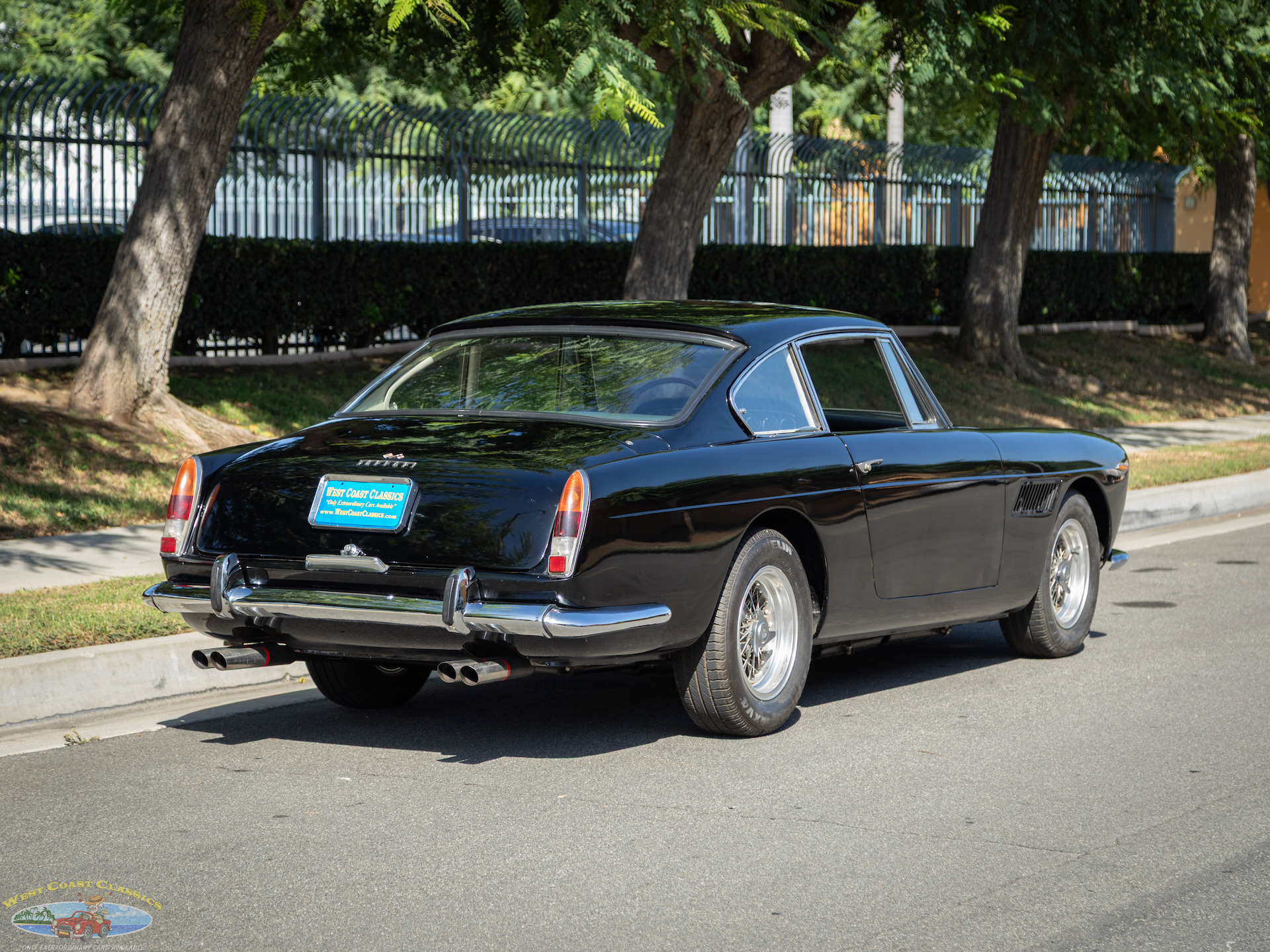
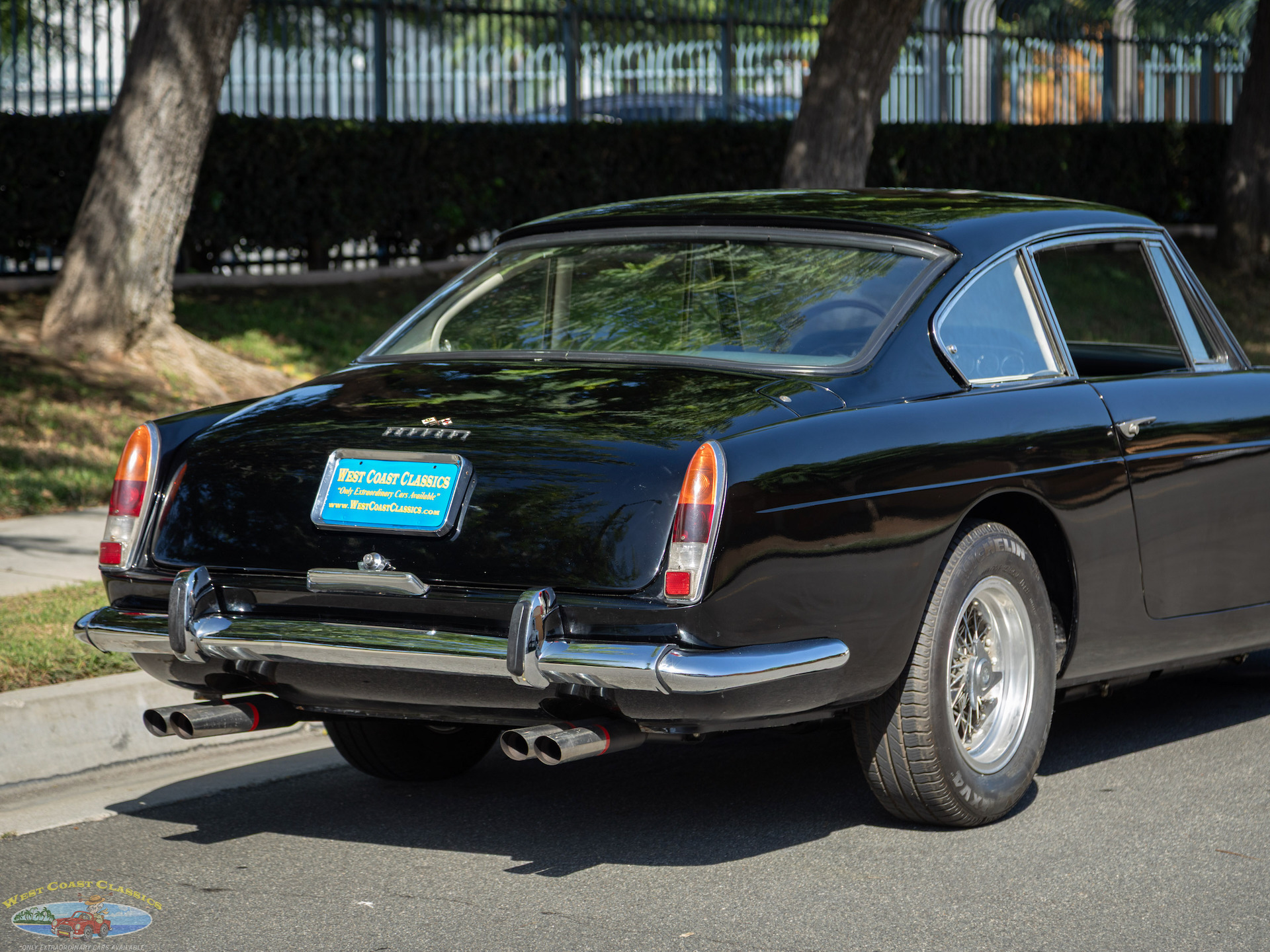
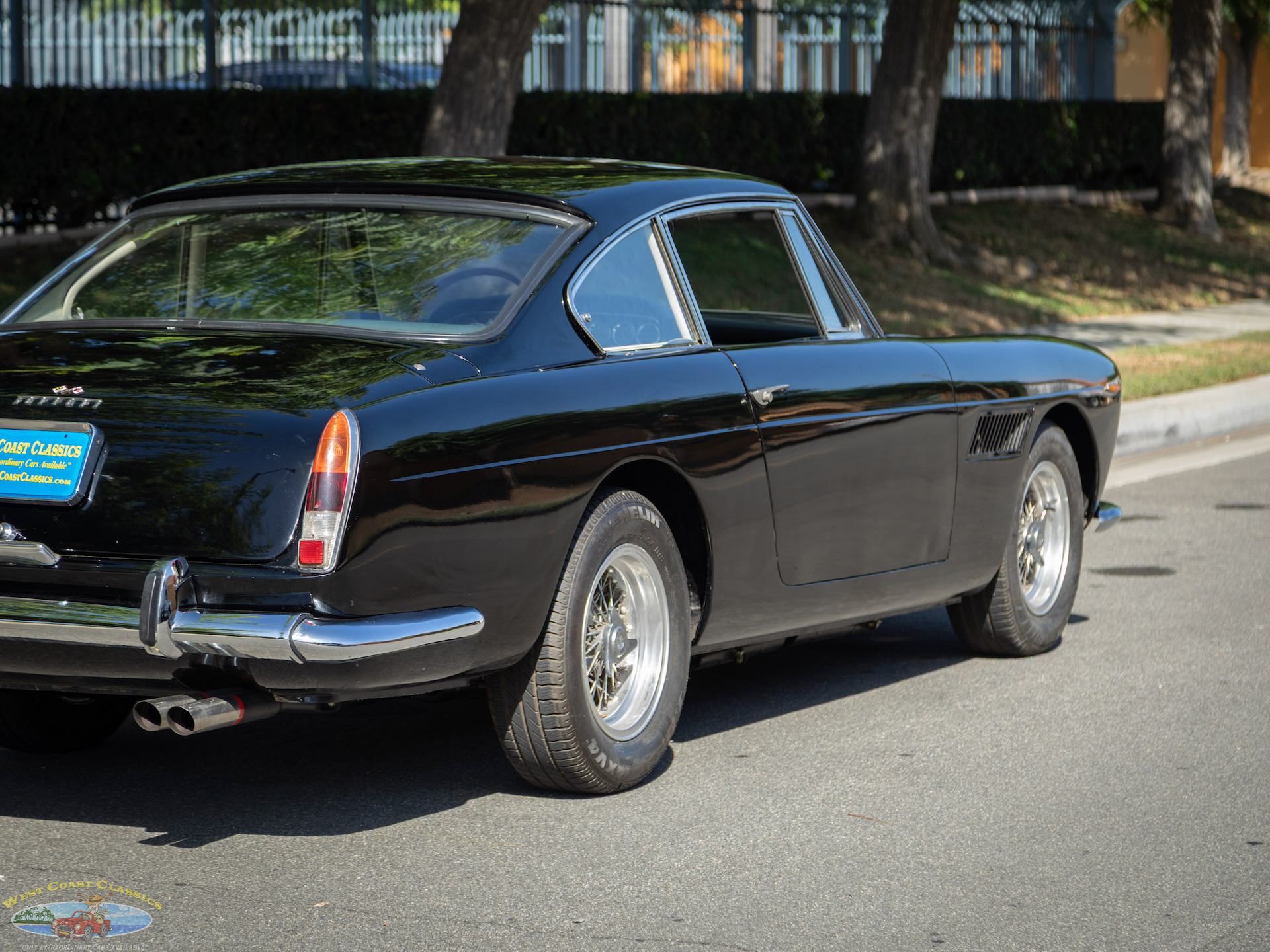
West Coast Classics are proud to present one of only 954 250 GTE 2+2s Series built during Ferrari's first three years of four-seat production and the marque's first wind-tunnel-developed model. Styled by Pininfarina, featuring a longer stance to accommodate rear seating, classic side vents, and Borrani wire wheels.
This is a rare period-modified example and according to Ferrari factory records, Chassis number 4221 GT is a verified 1963 Ferrari 250 GT/E 2+2 Series III variant and a documented, left-hand-drive (LHD) European-delivery vehicle.
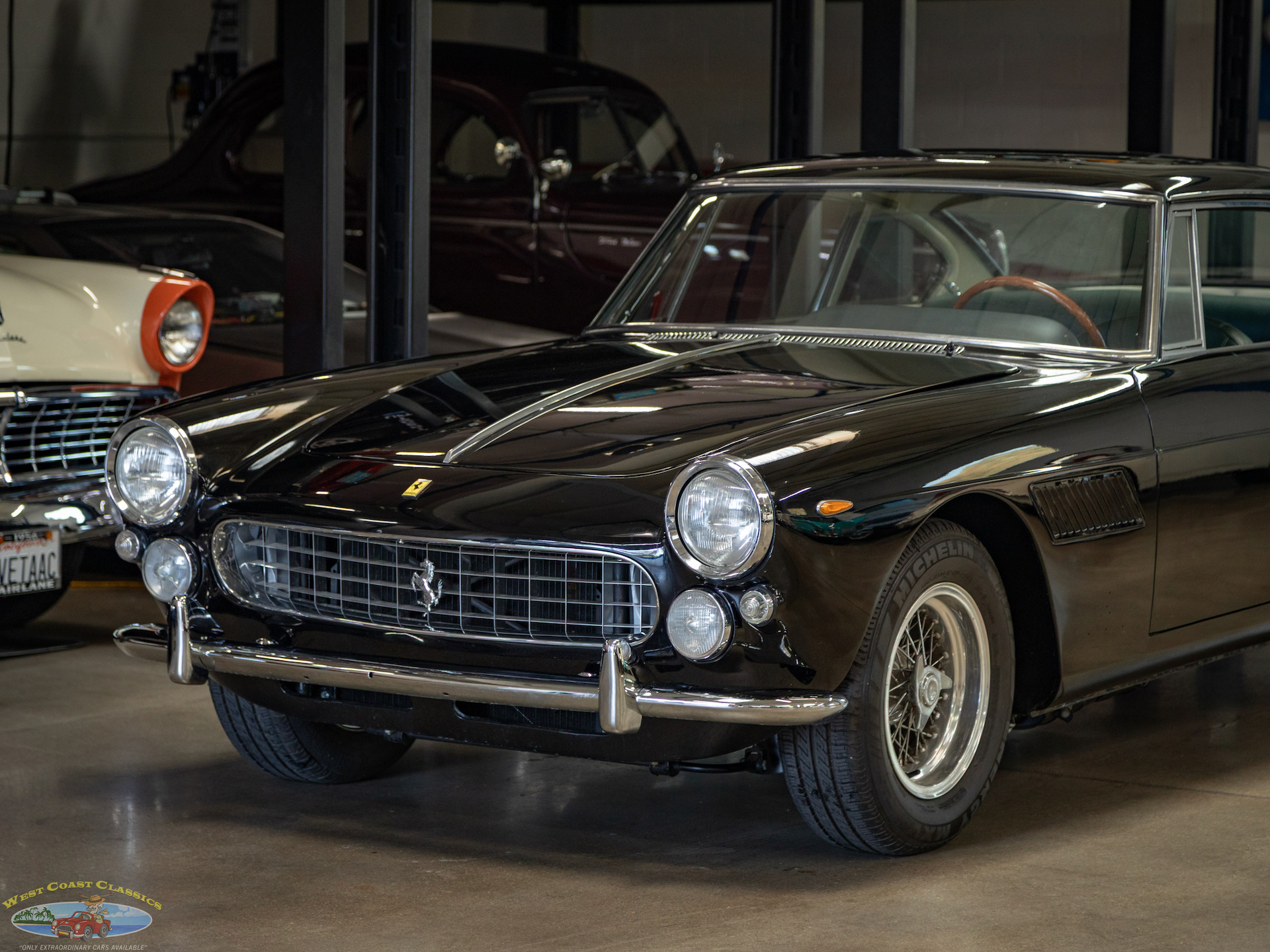
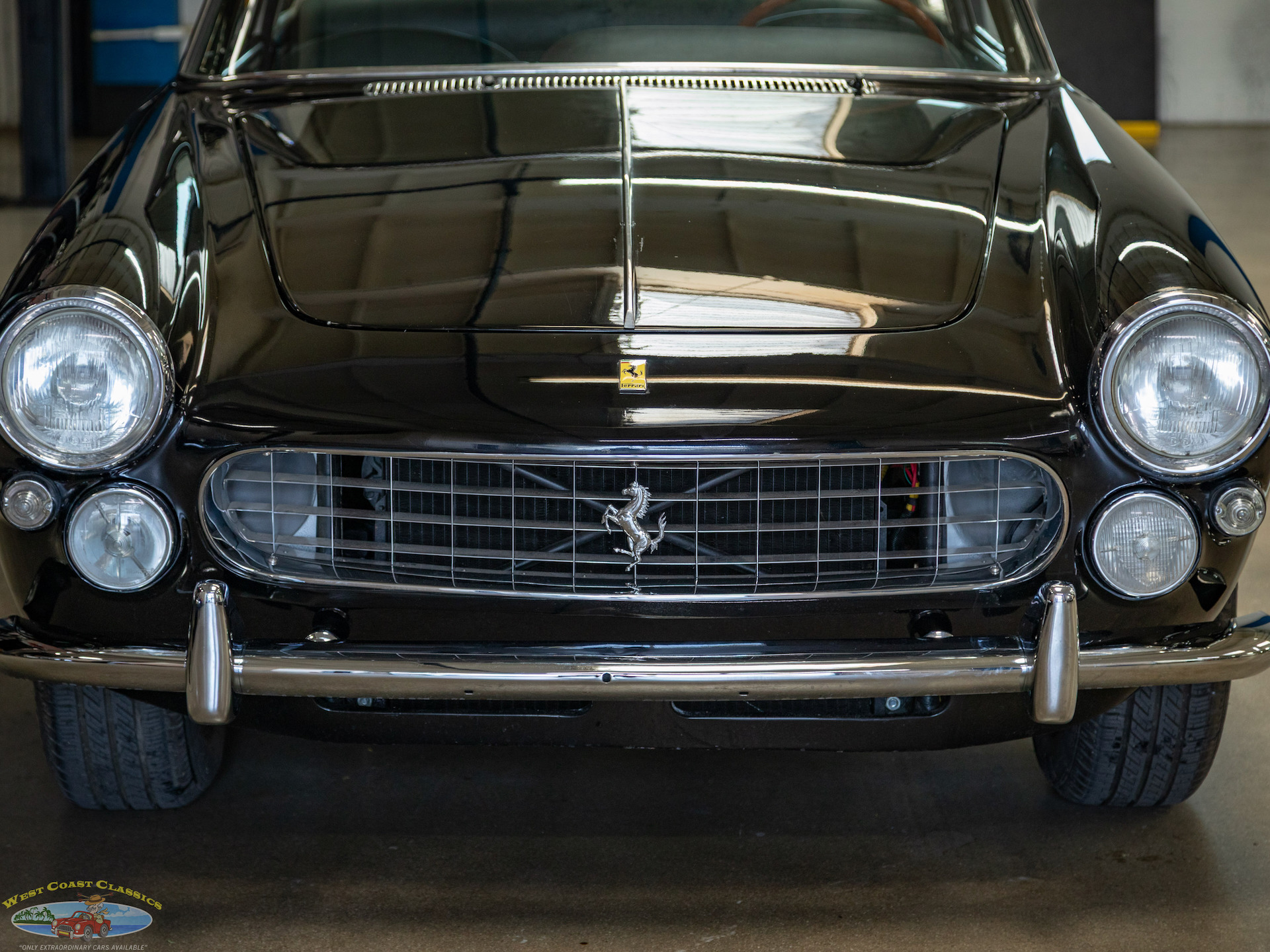
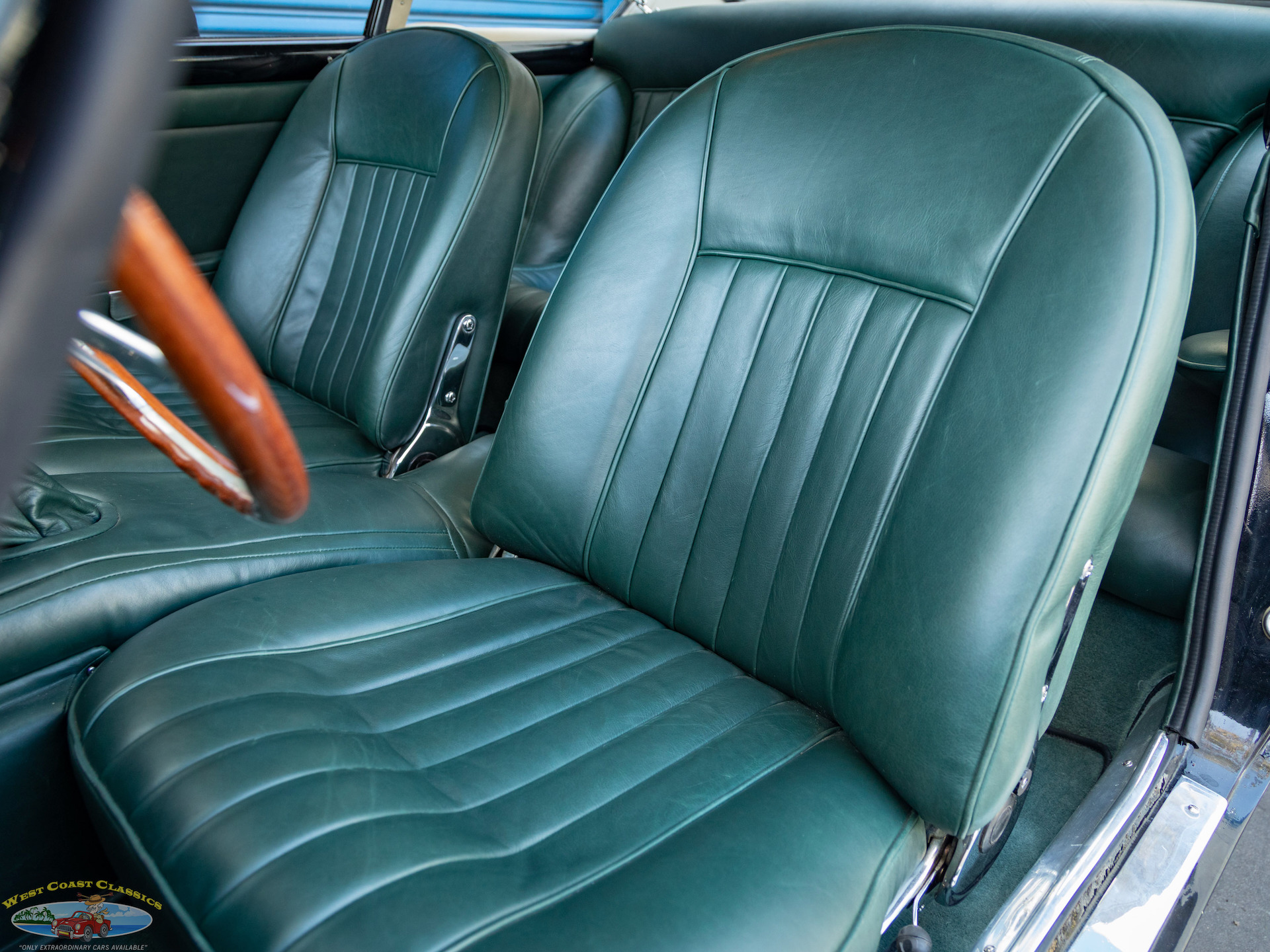
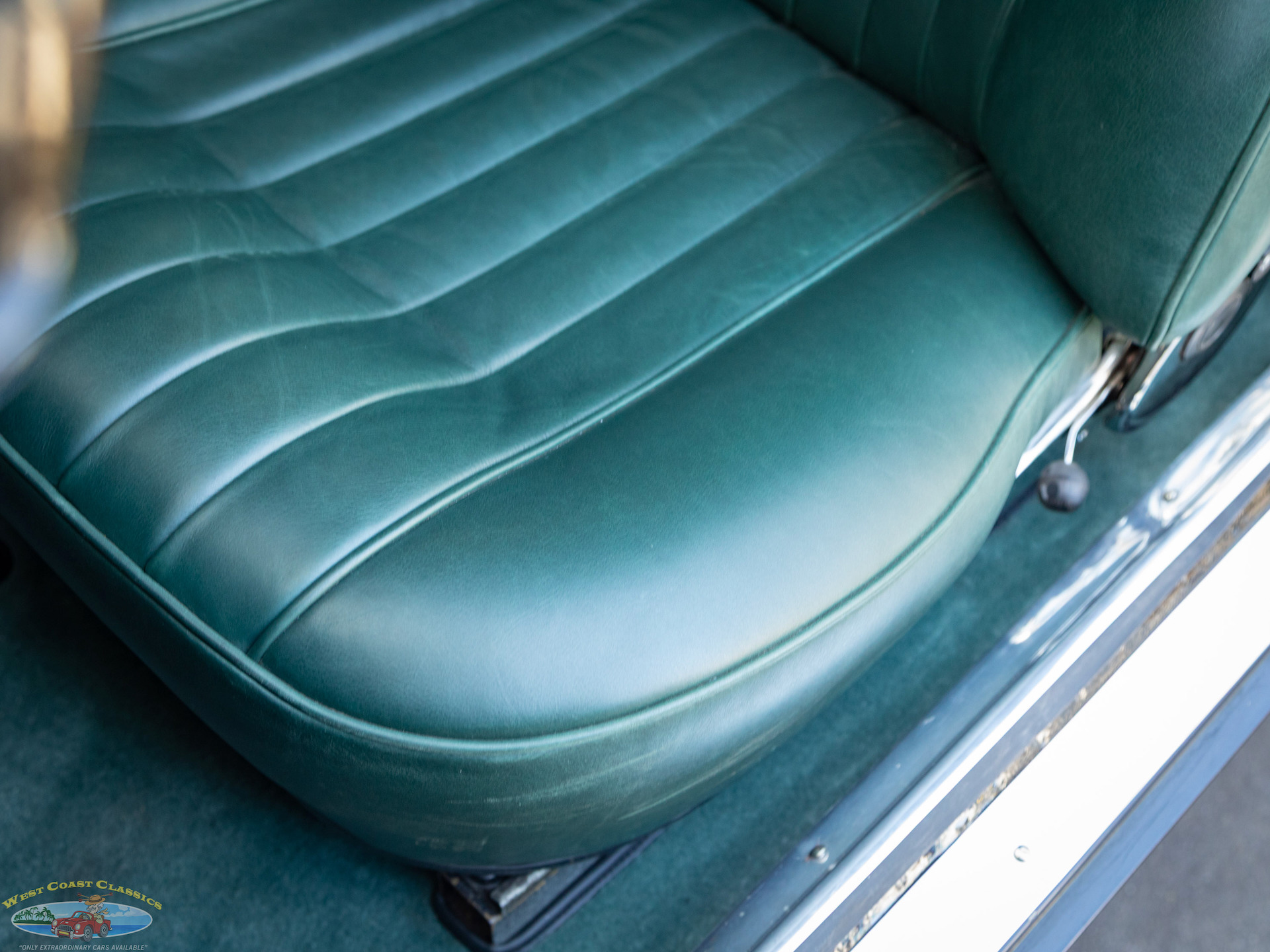
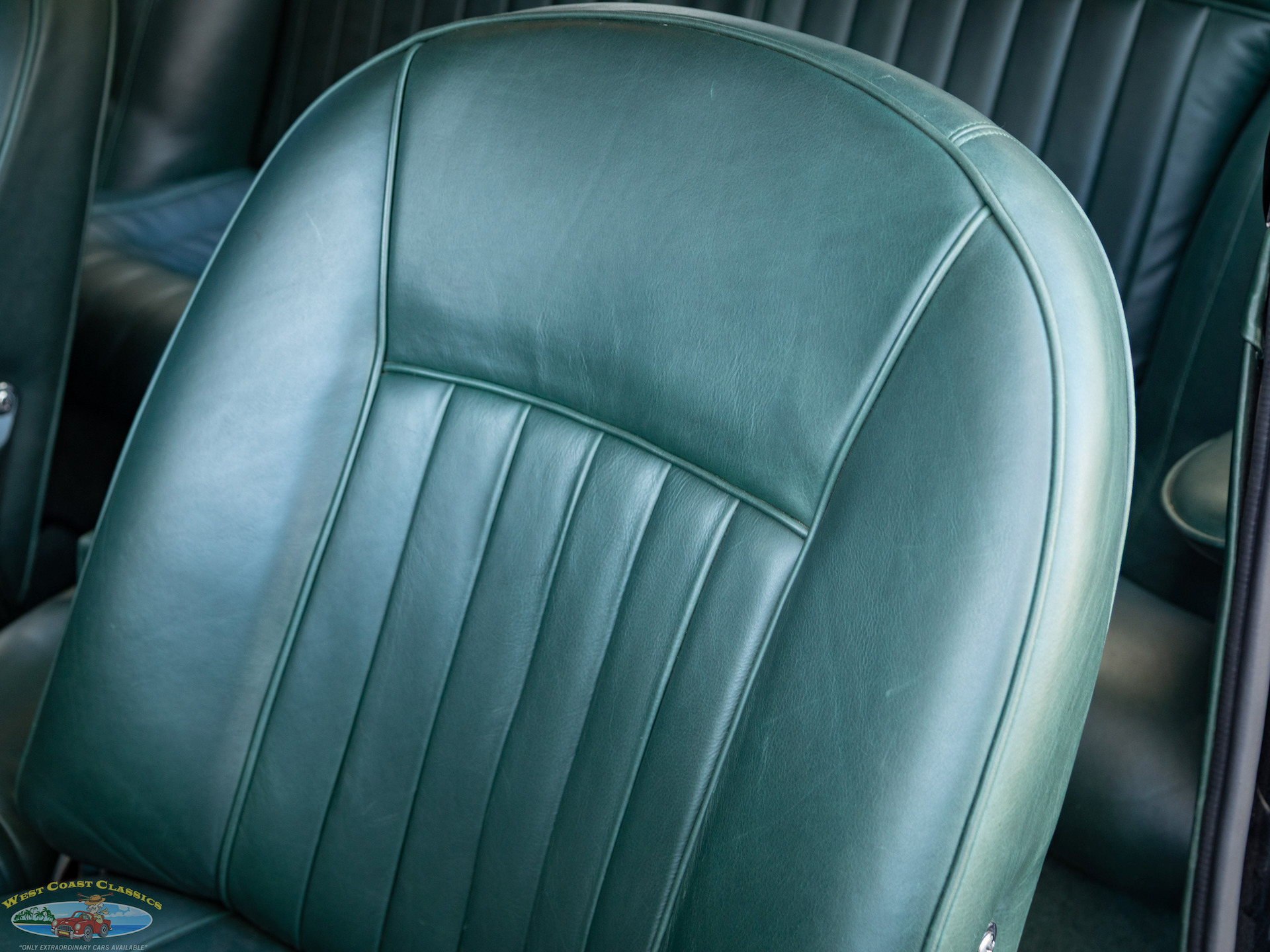
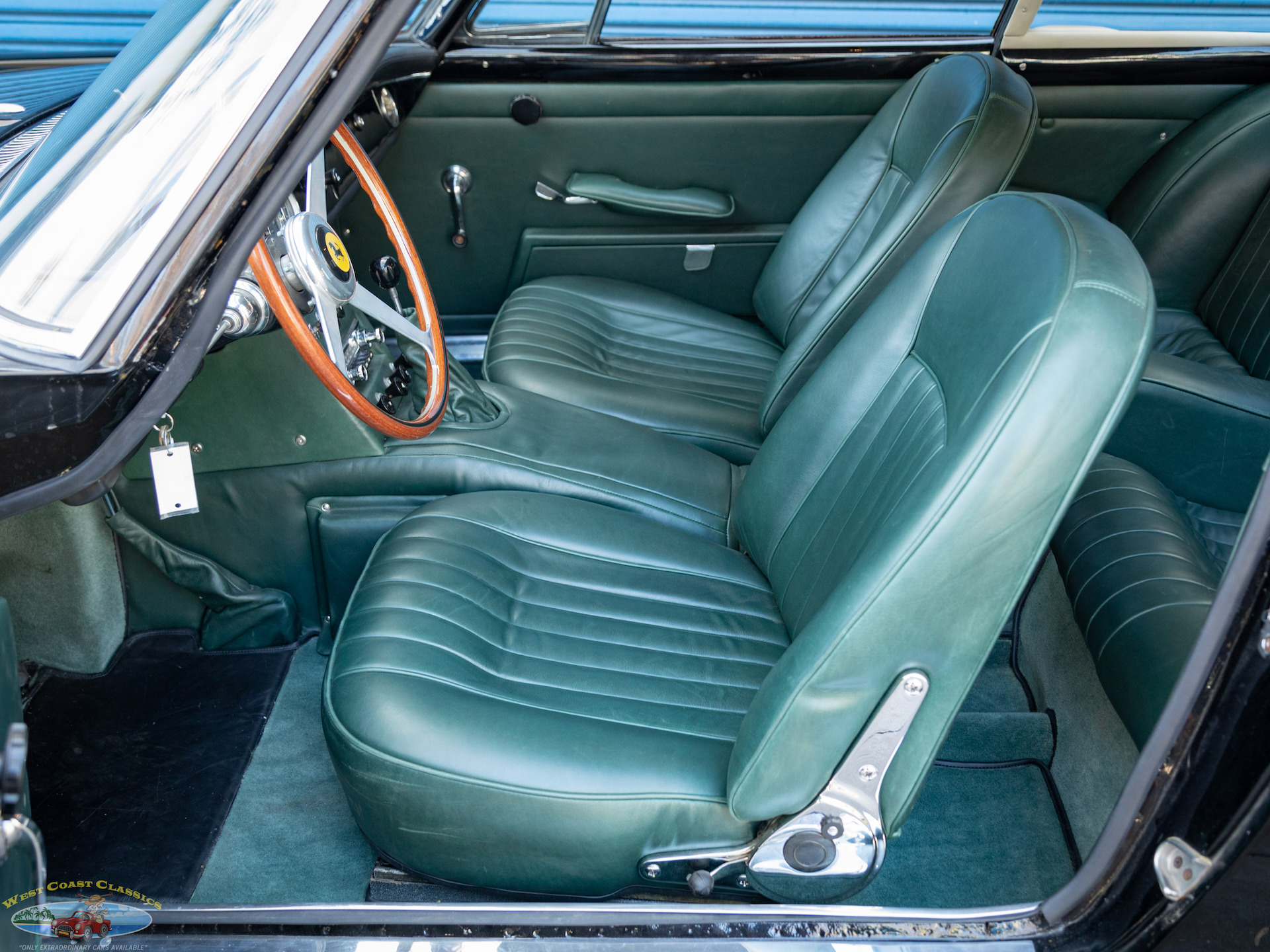
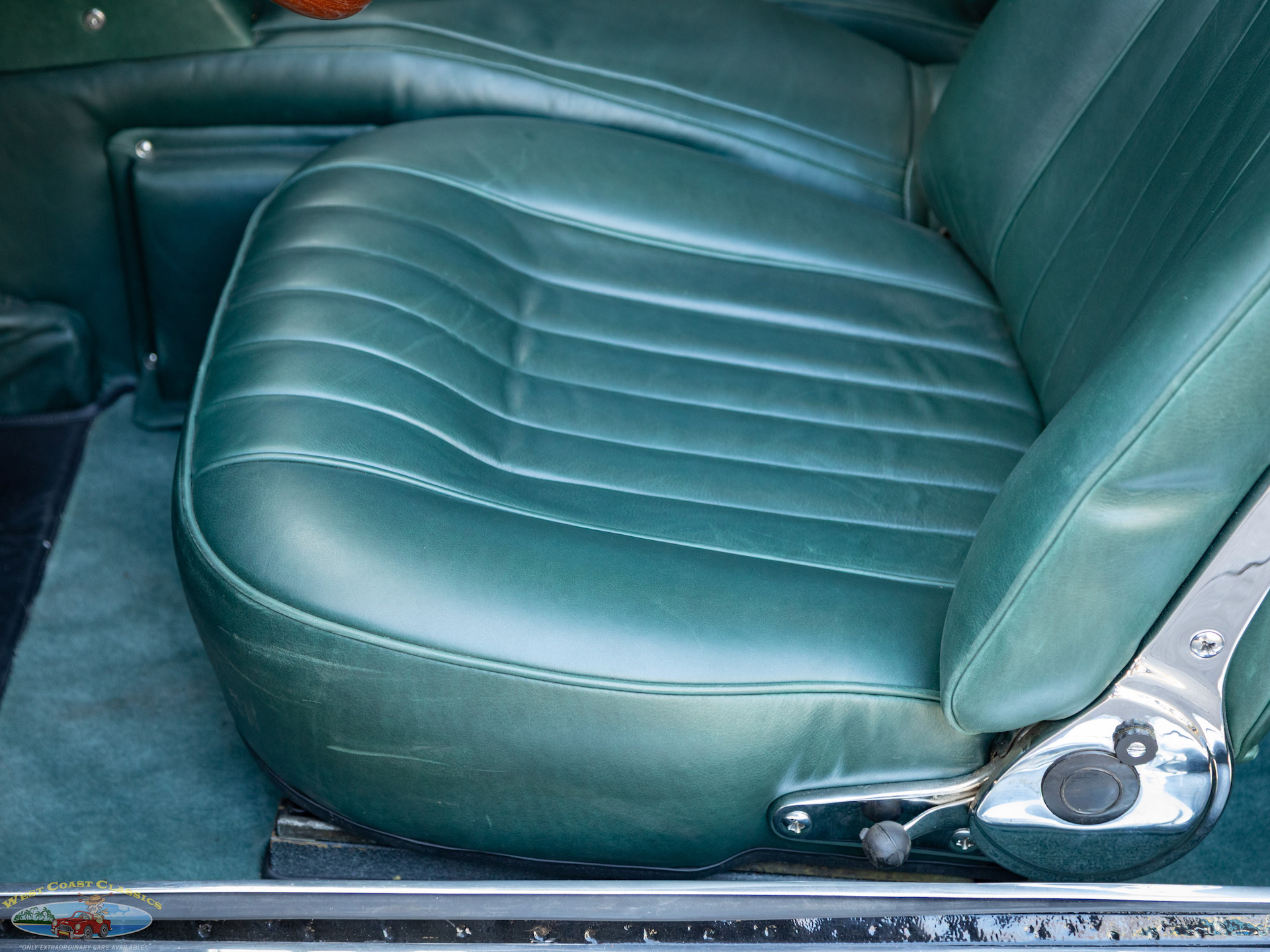
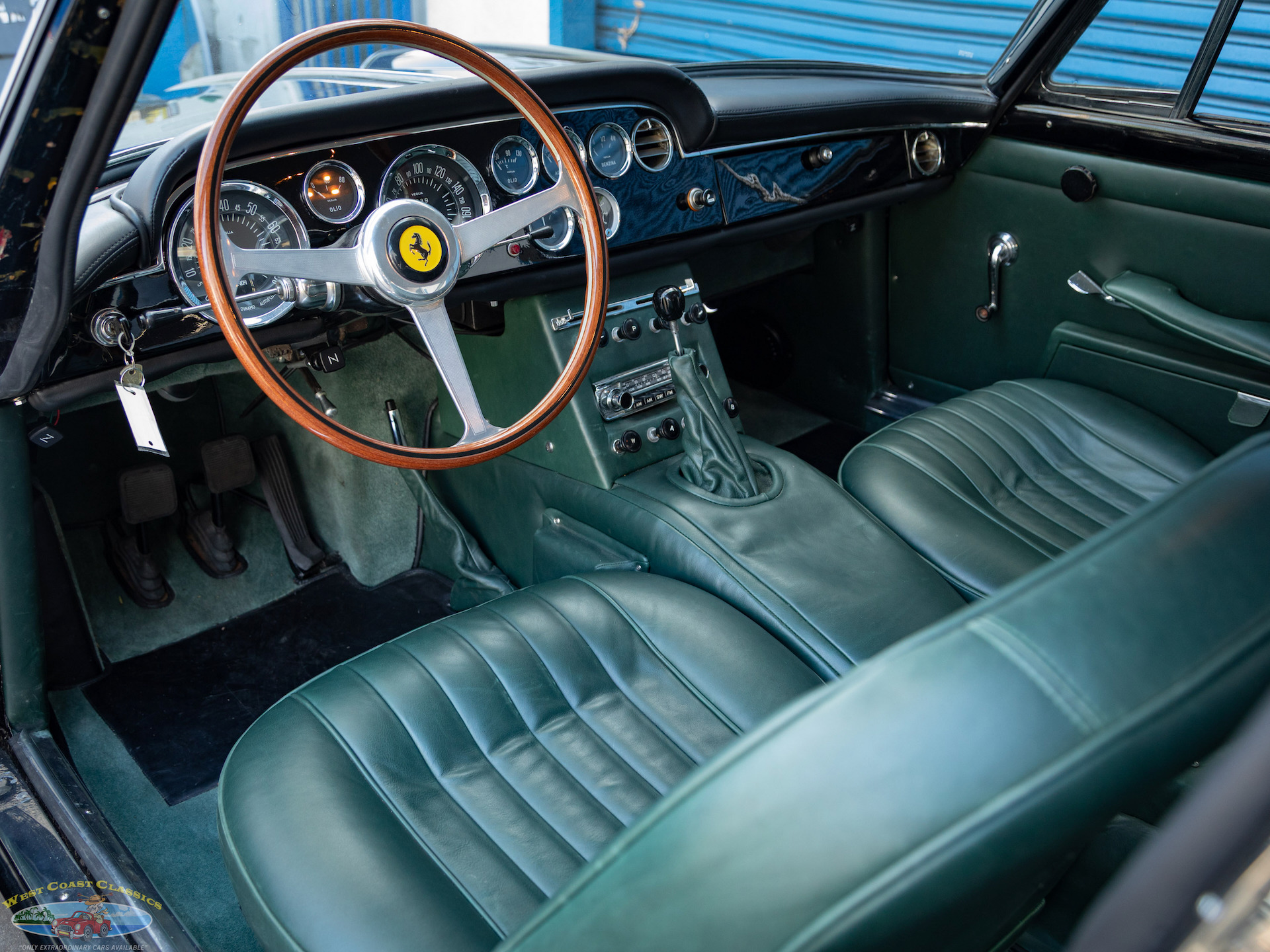
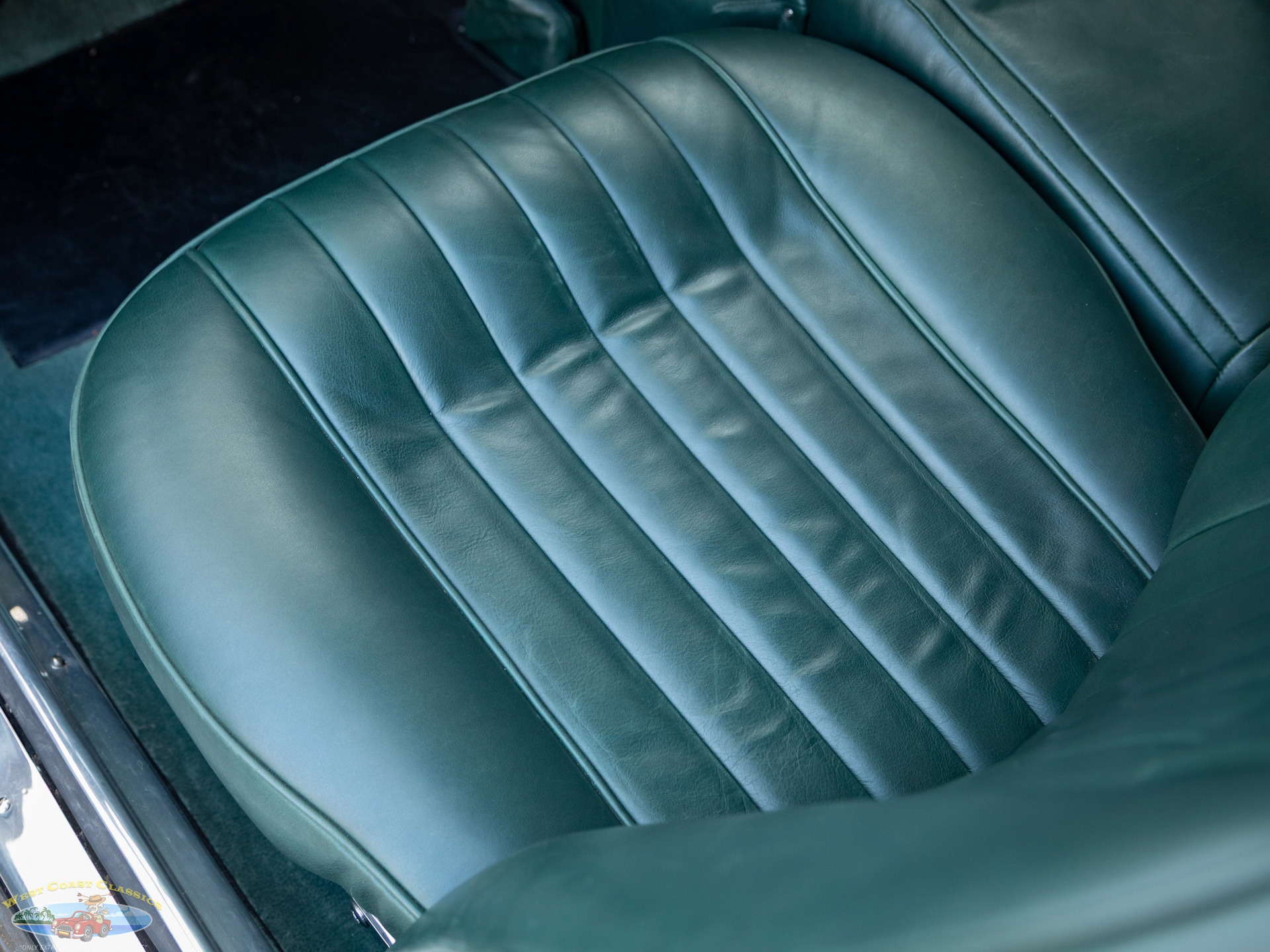
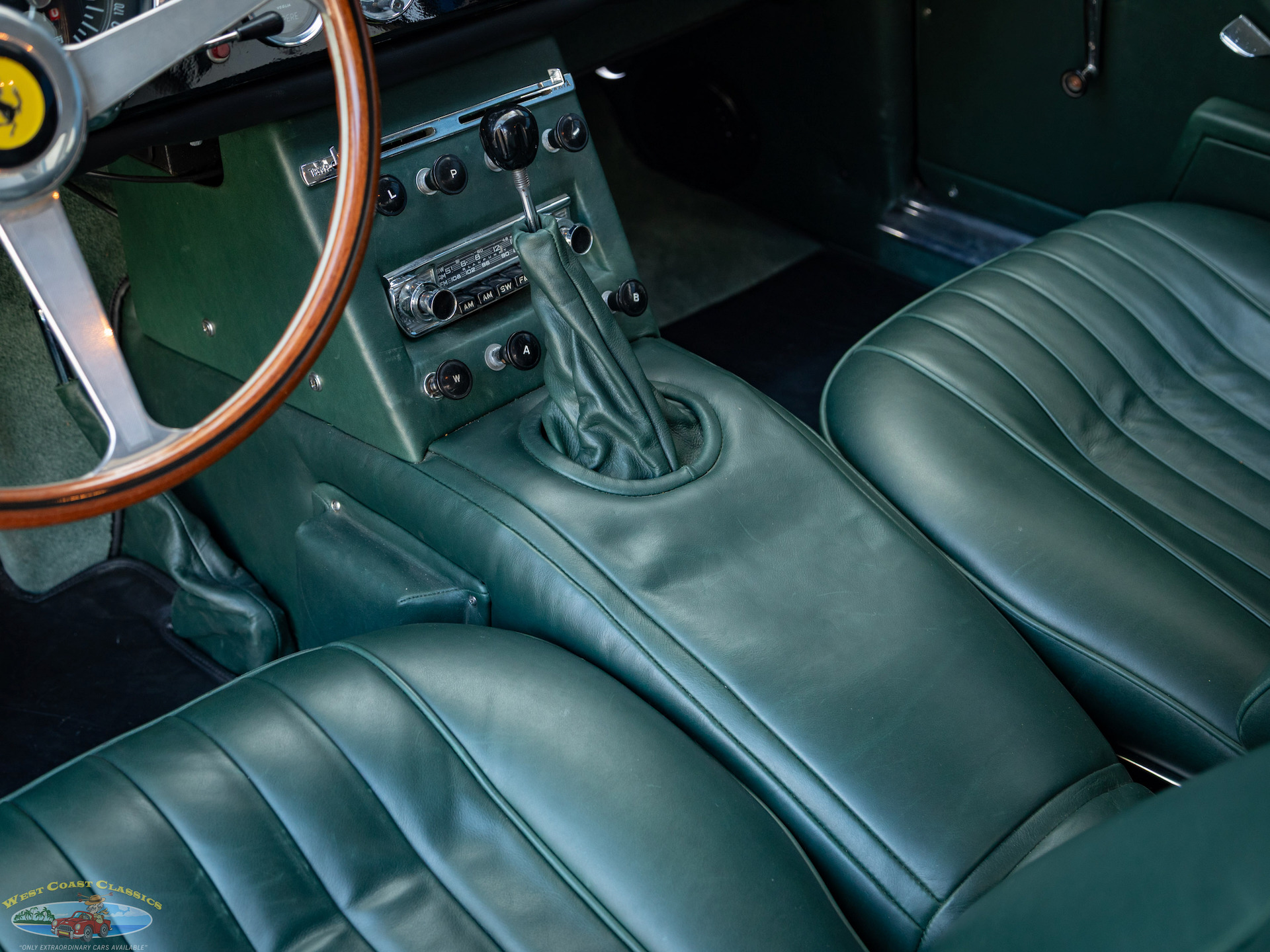
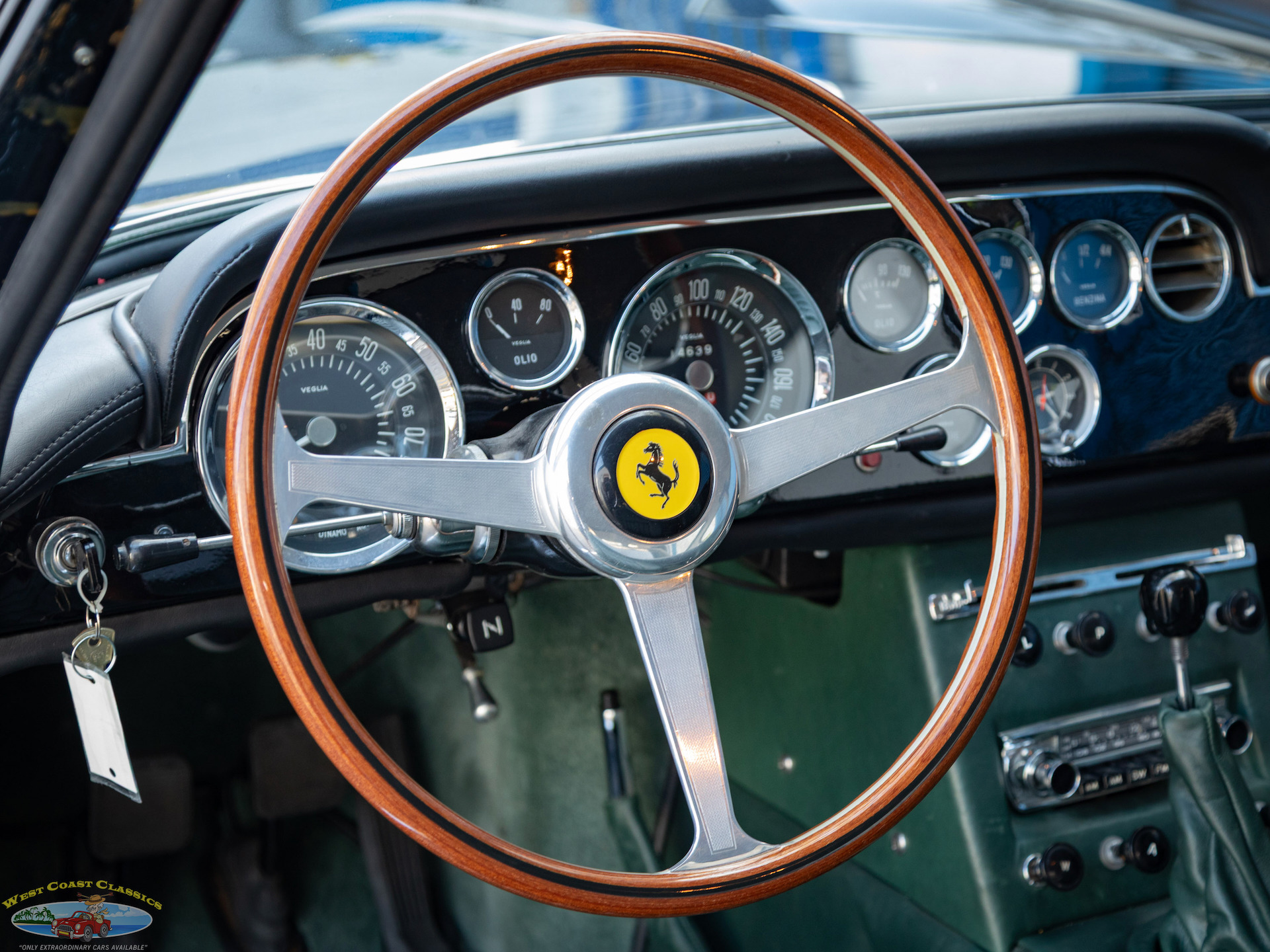
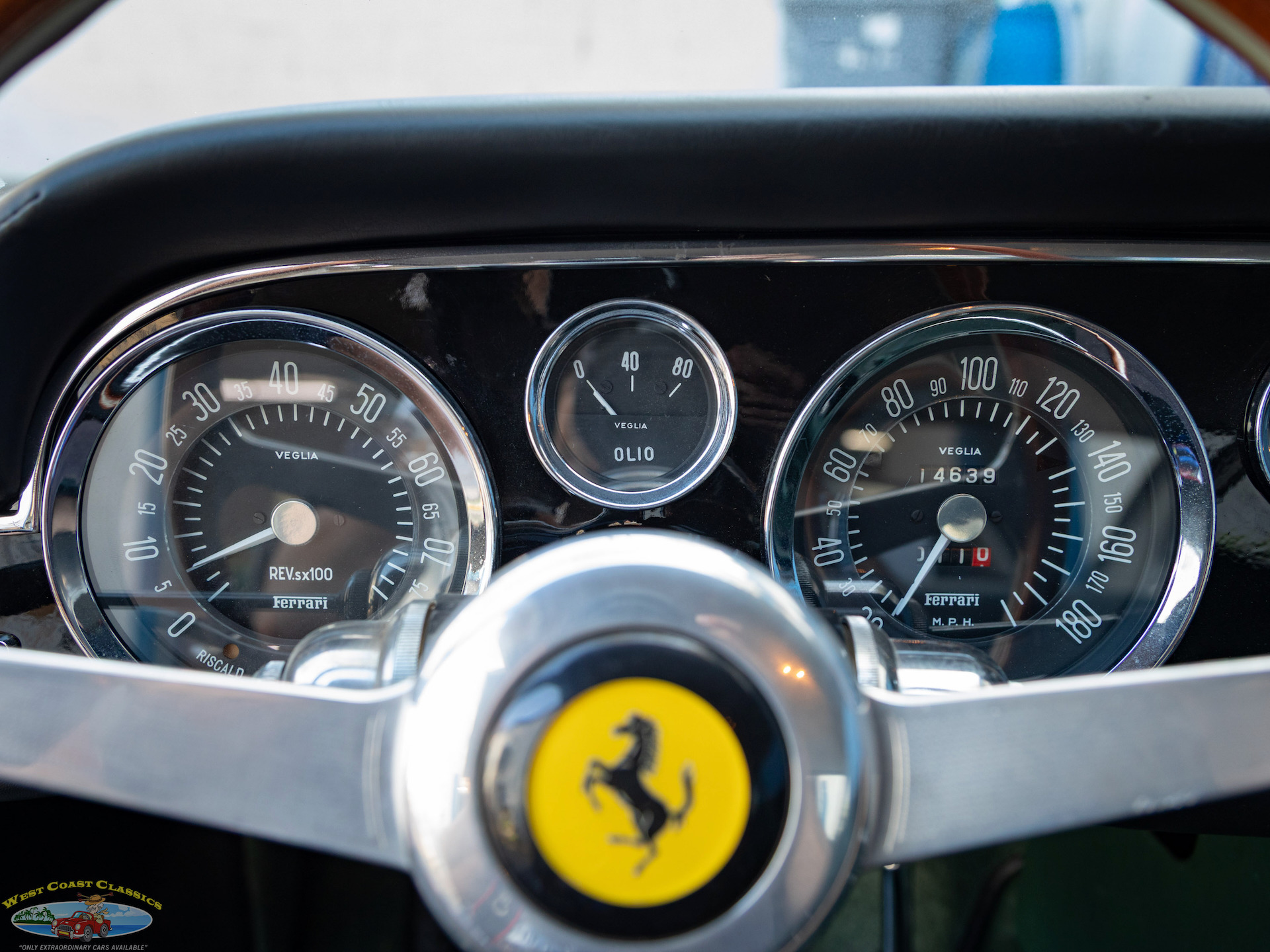
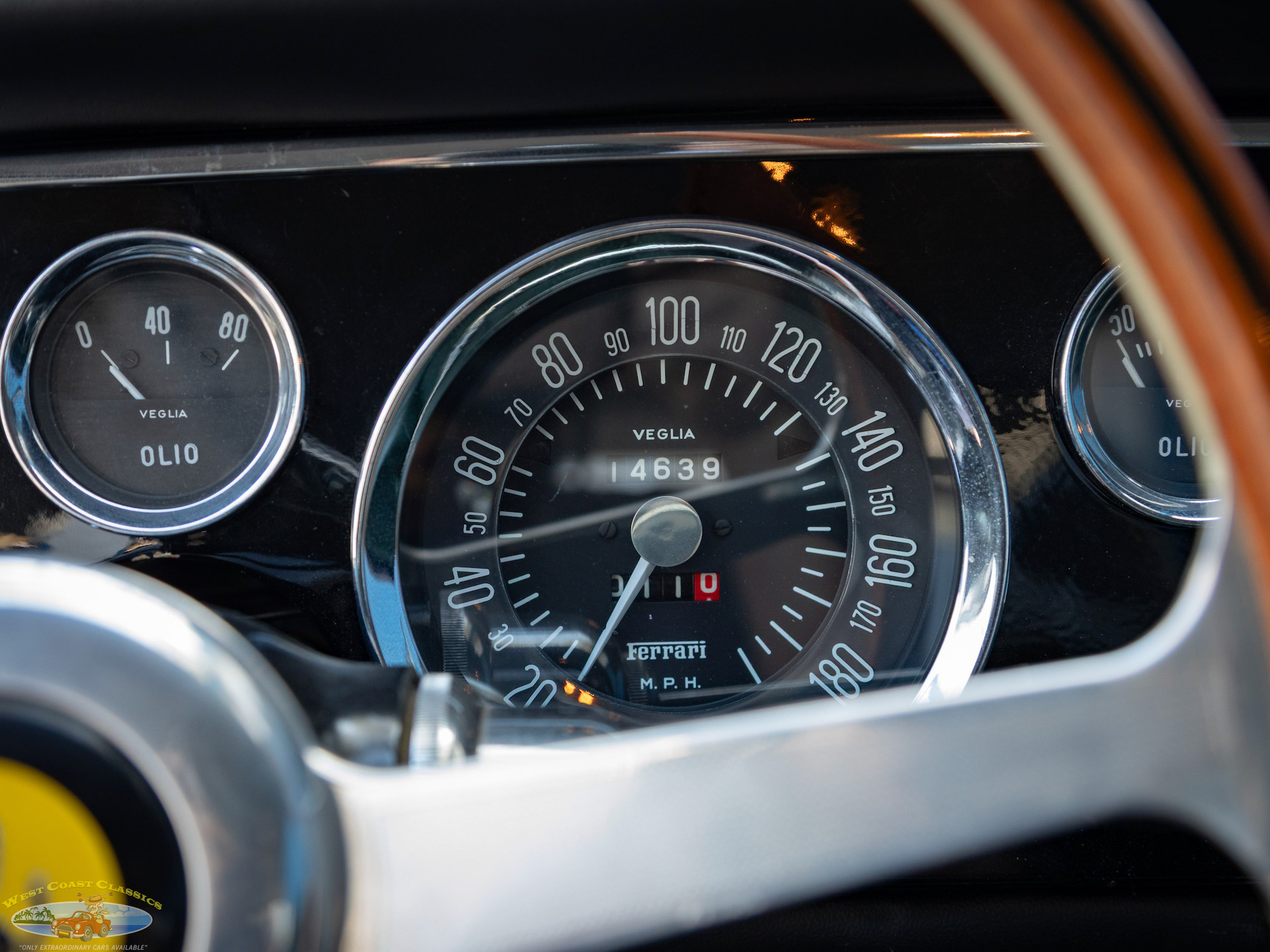
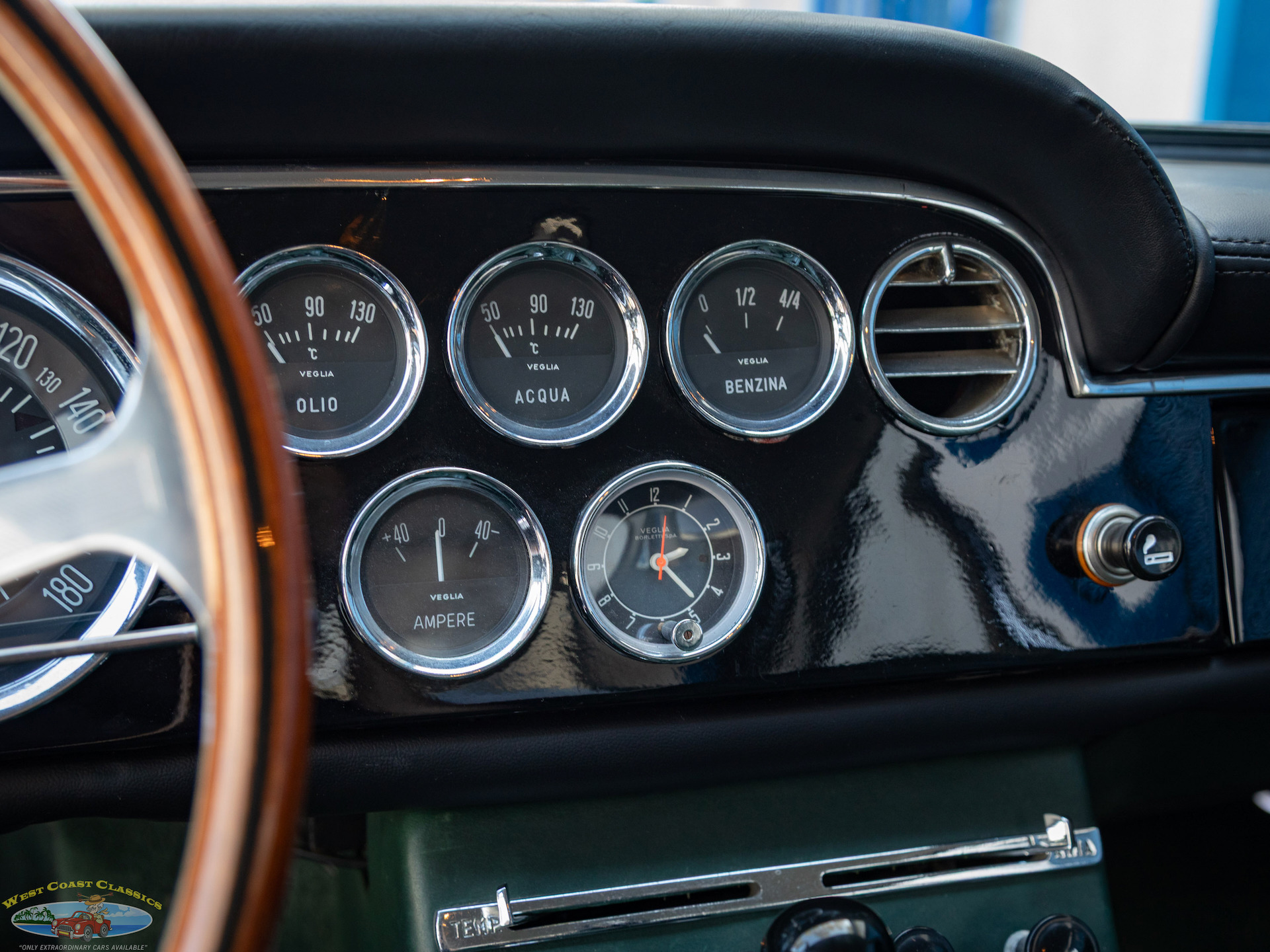
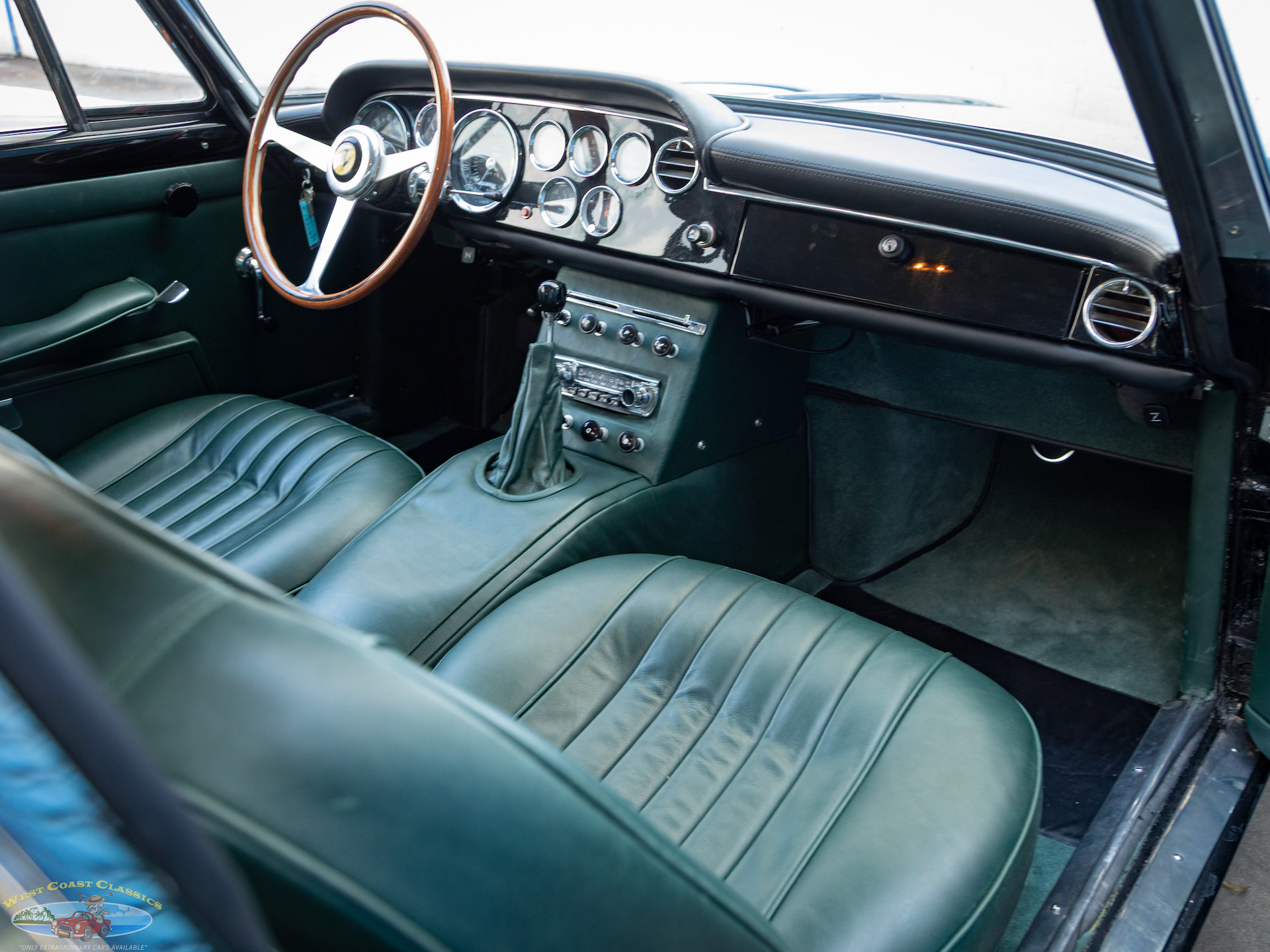
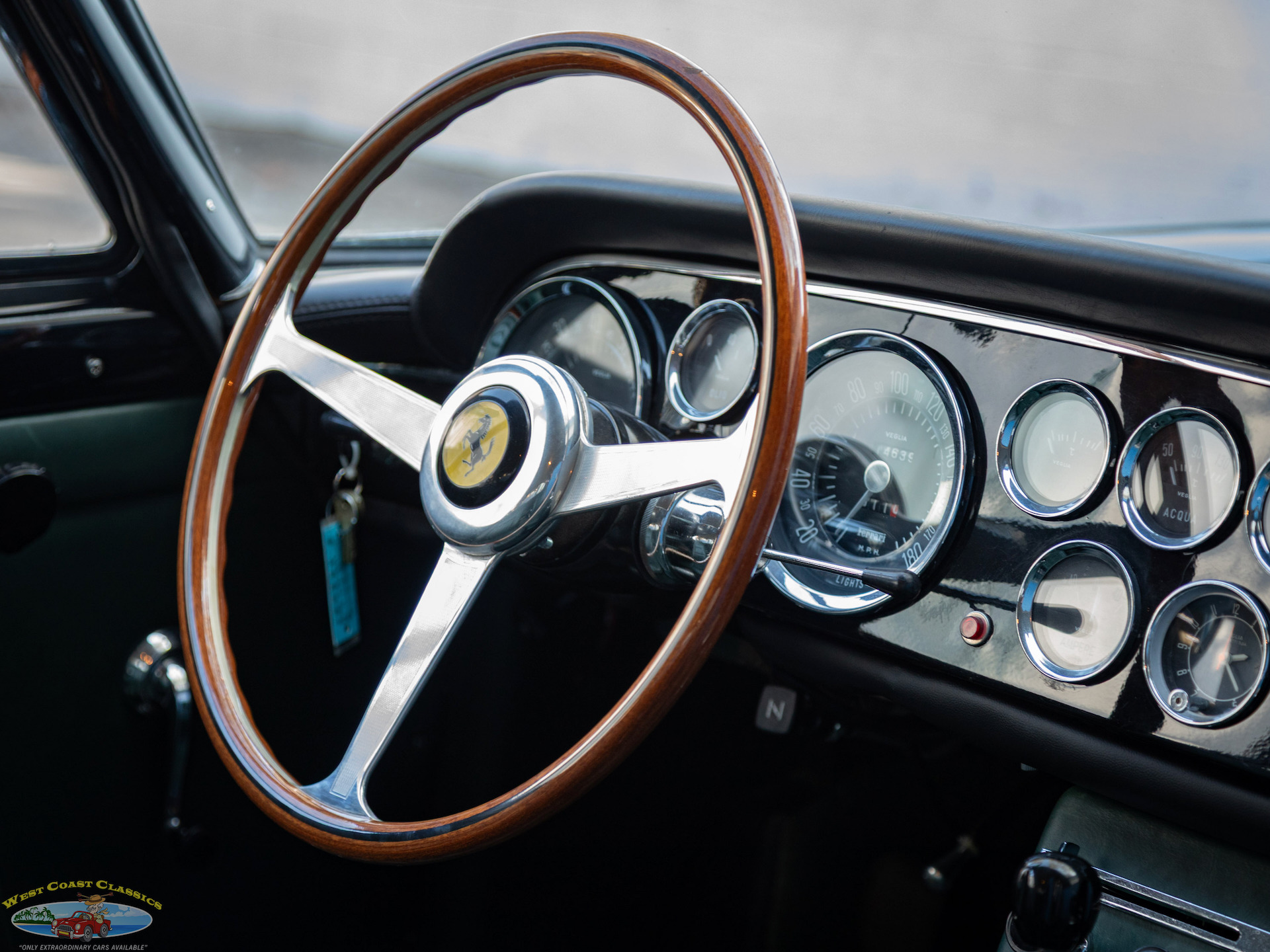
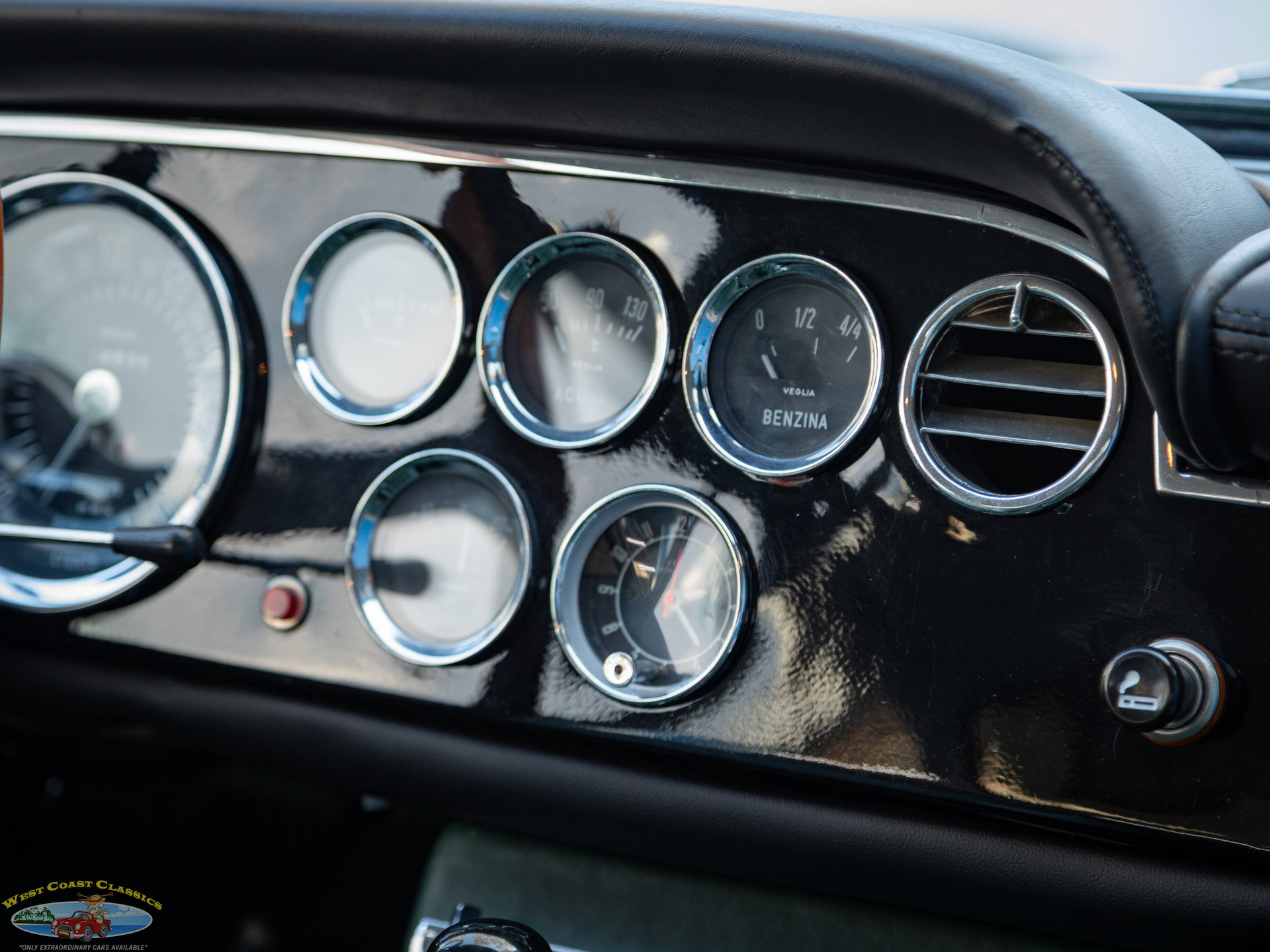
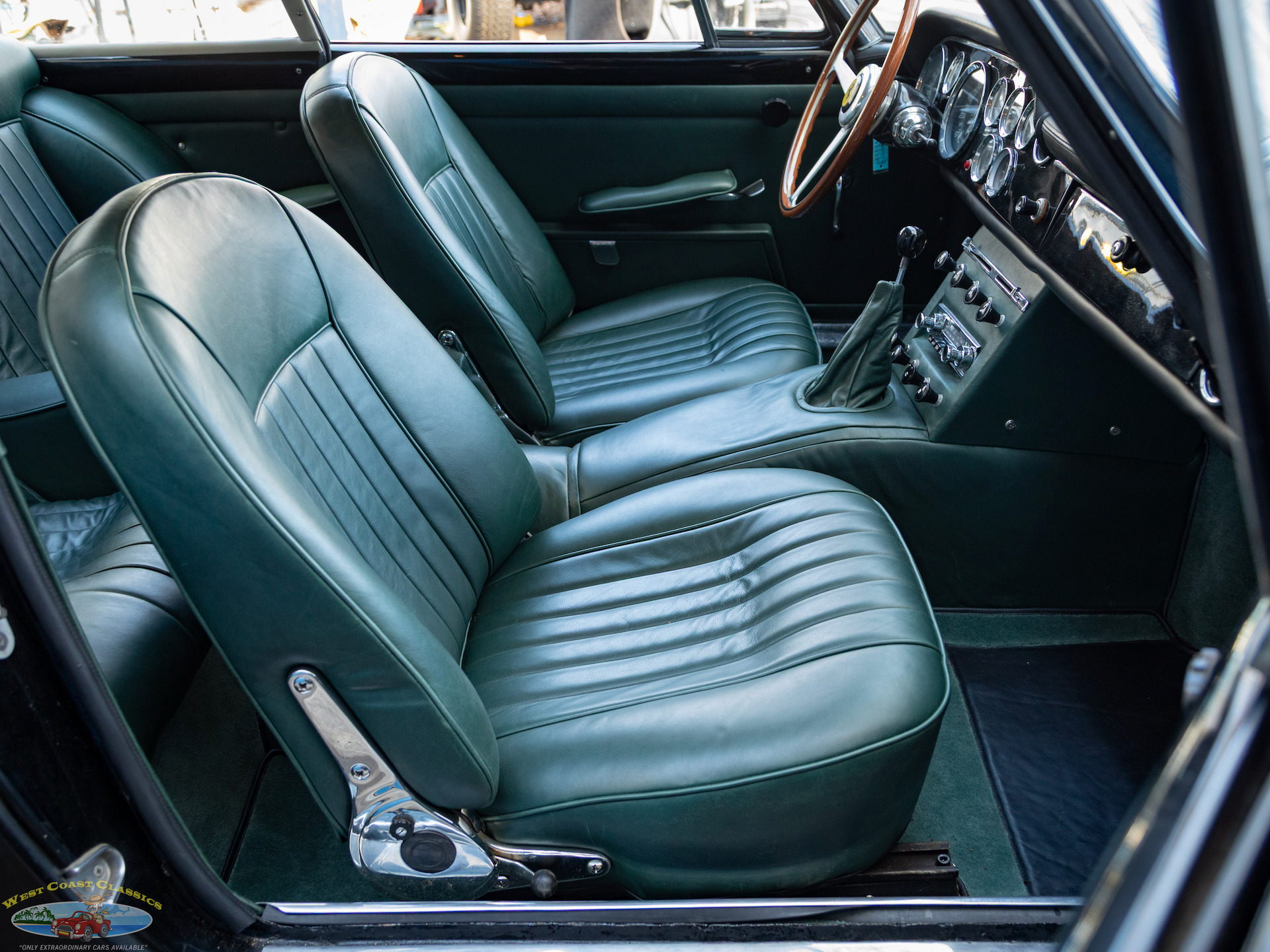
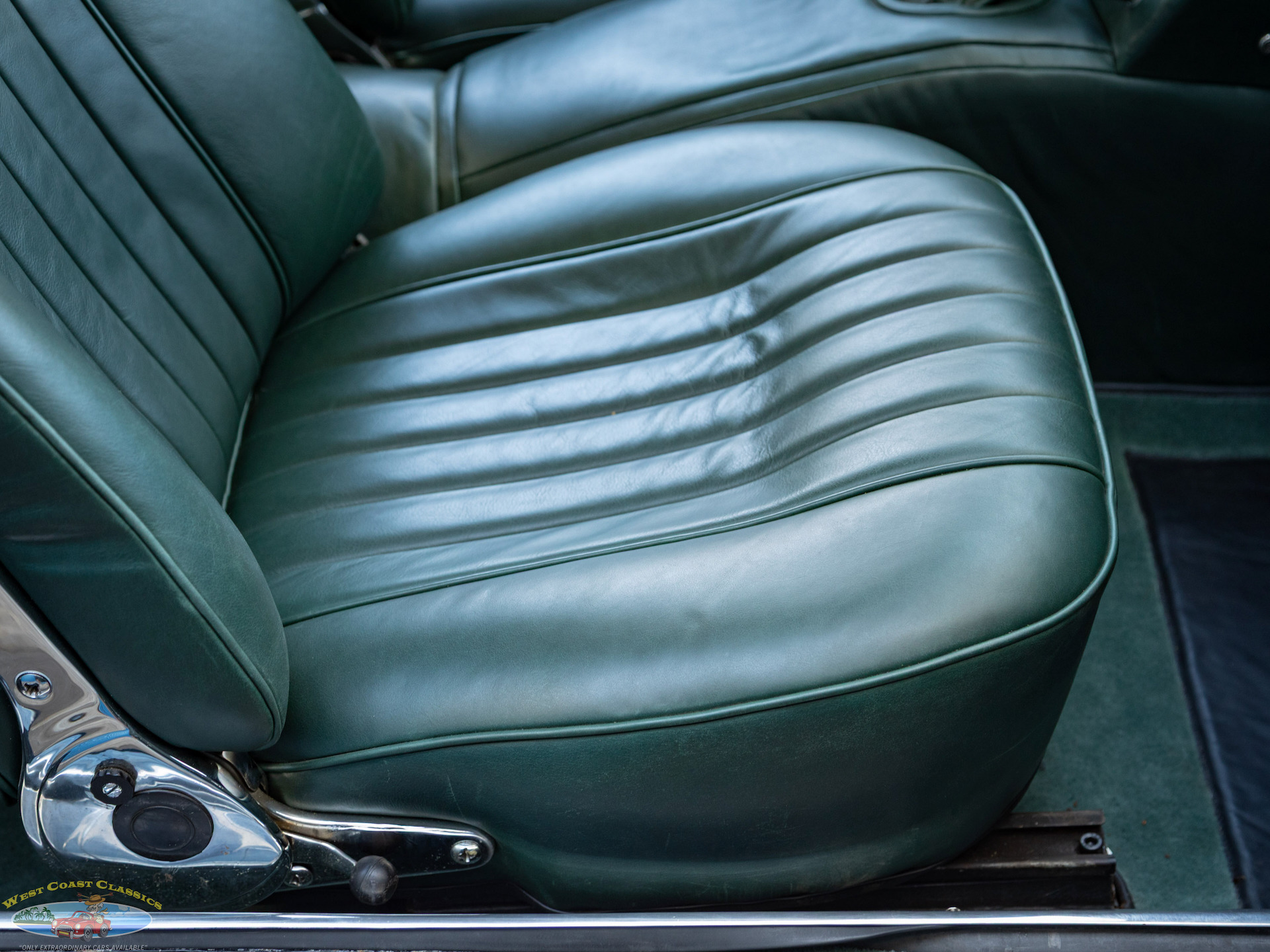
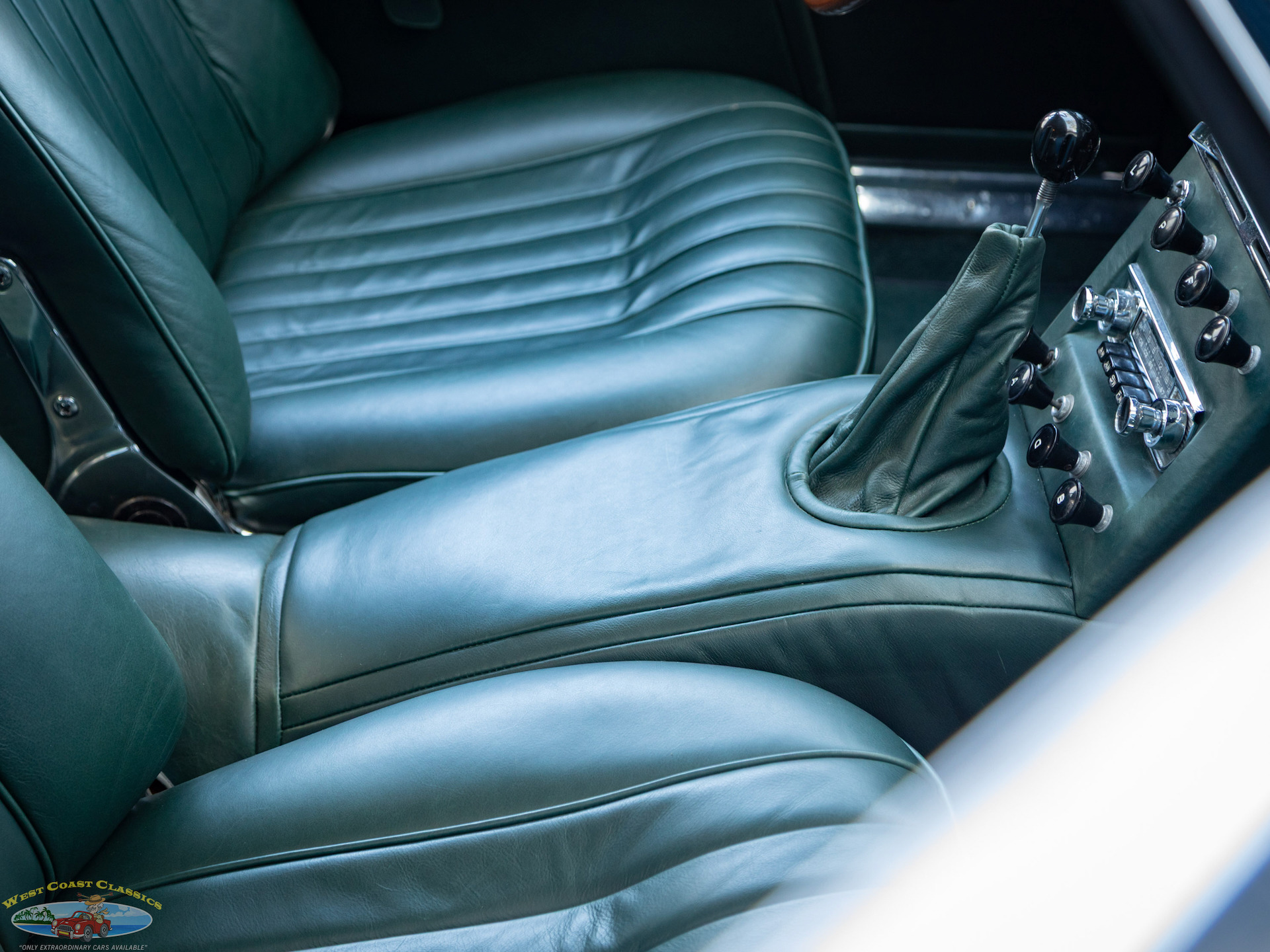
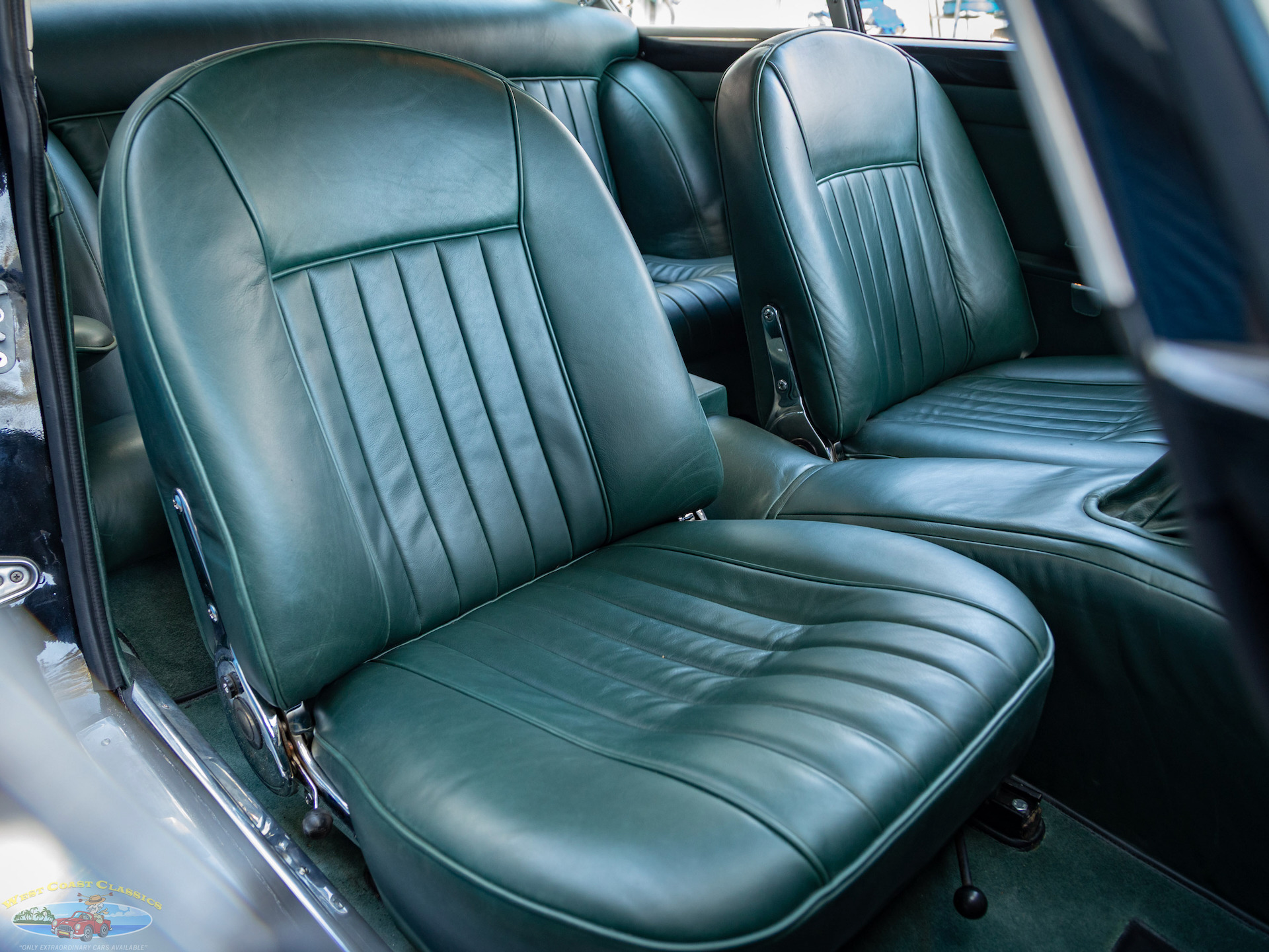
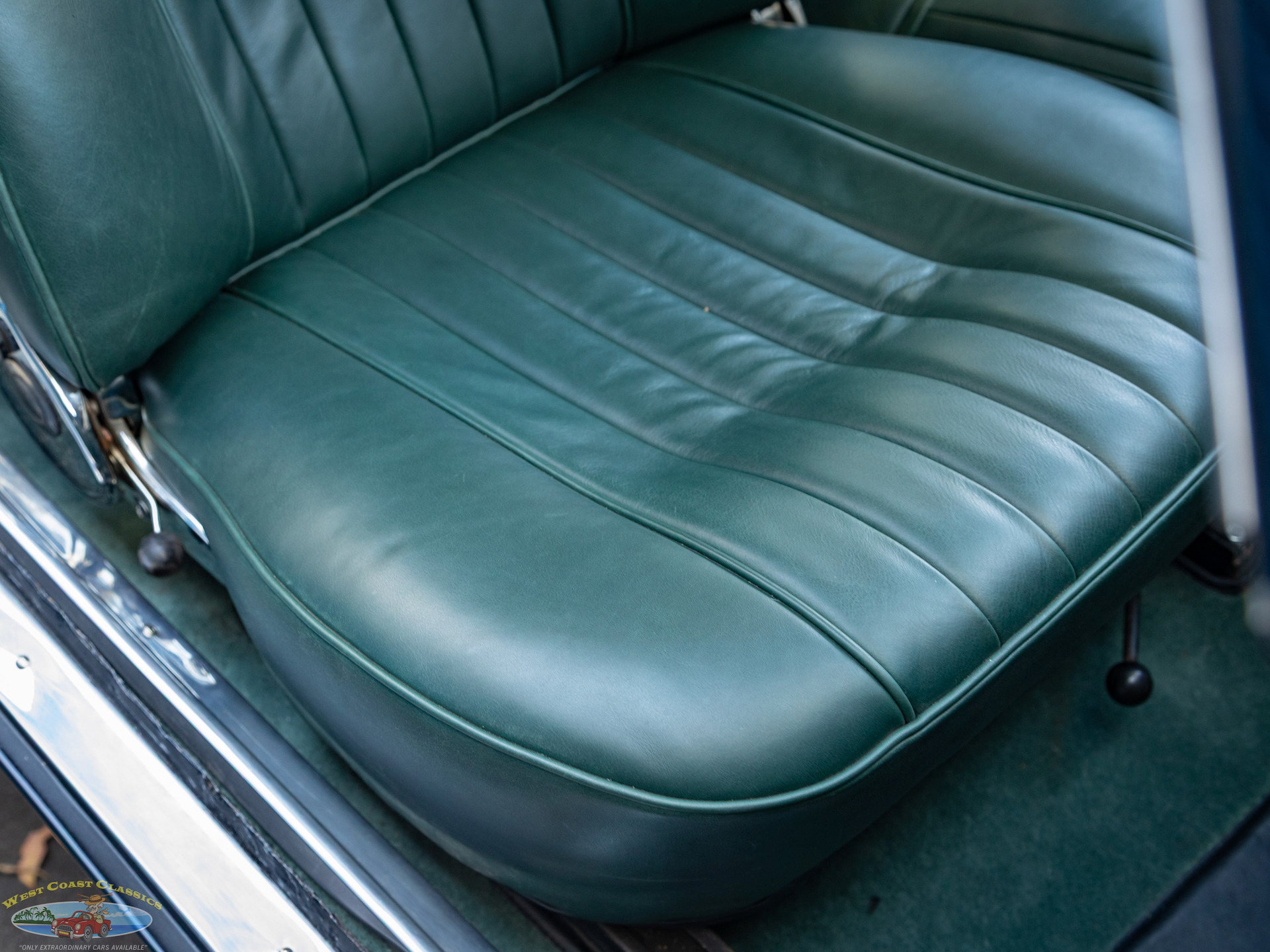
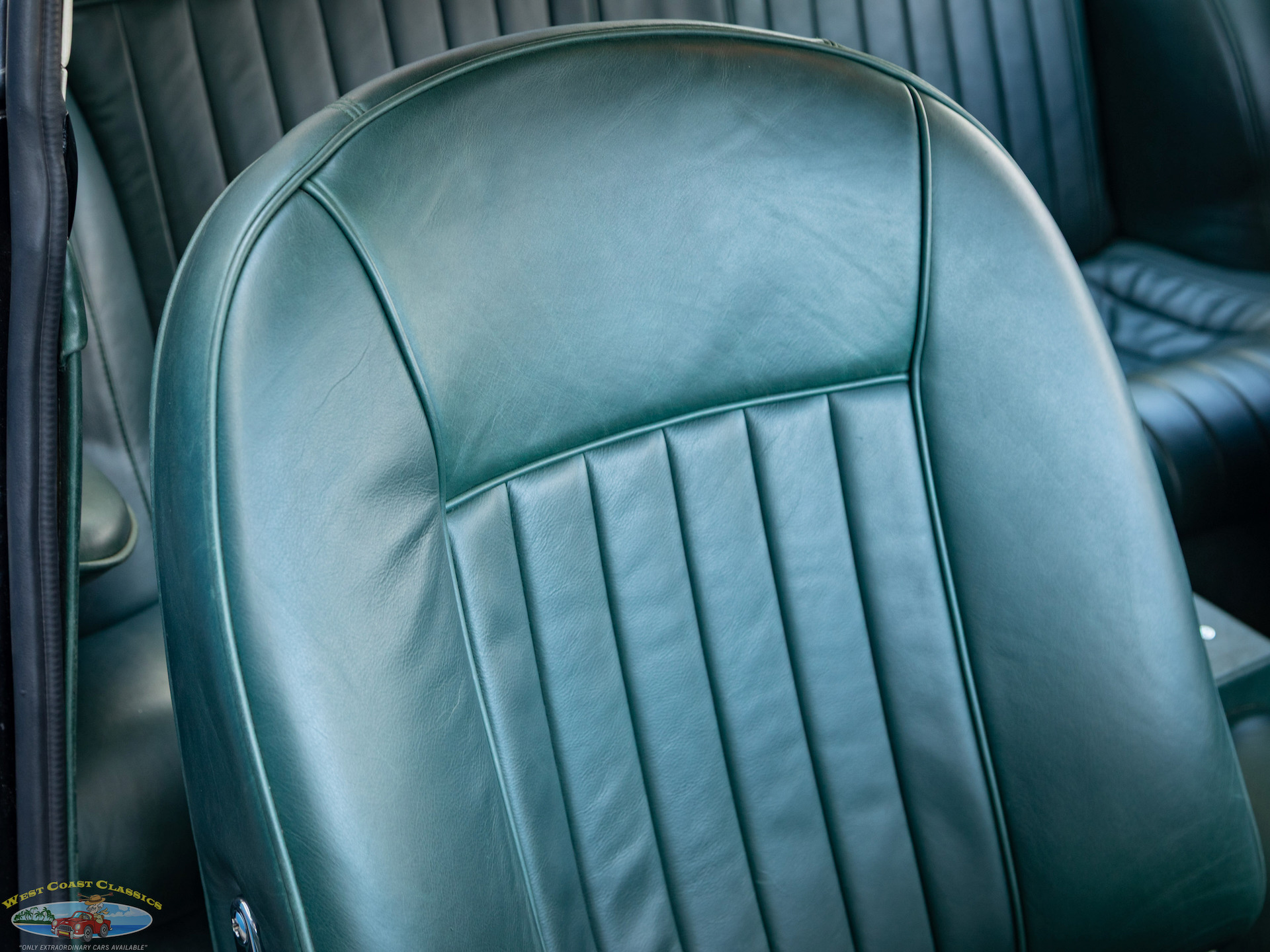
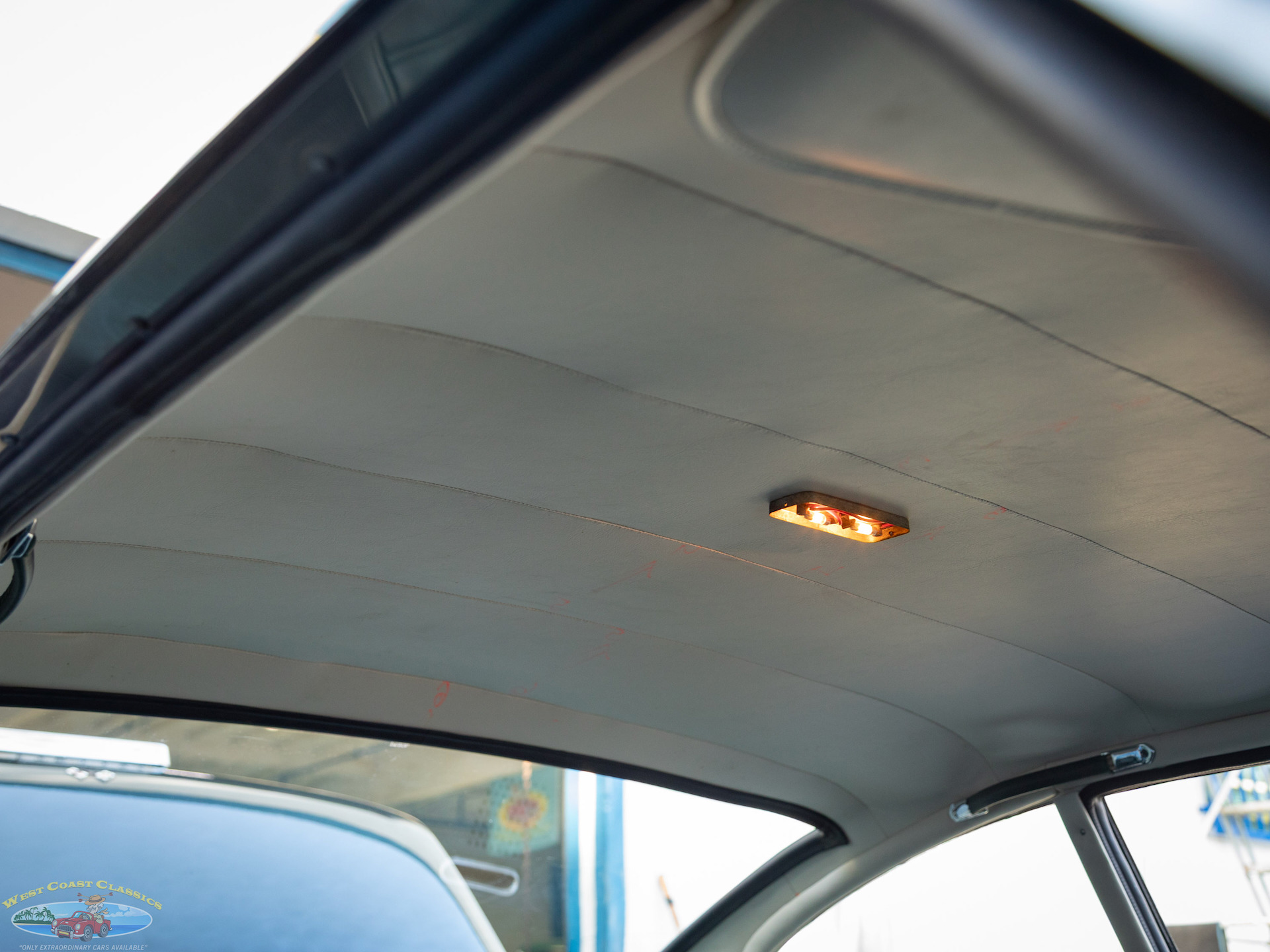
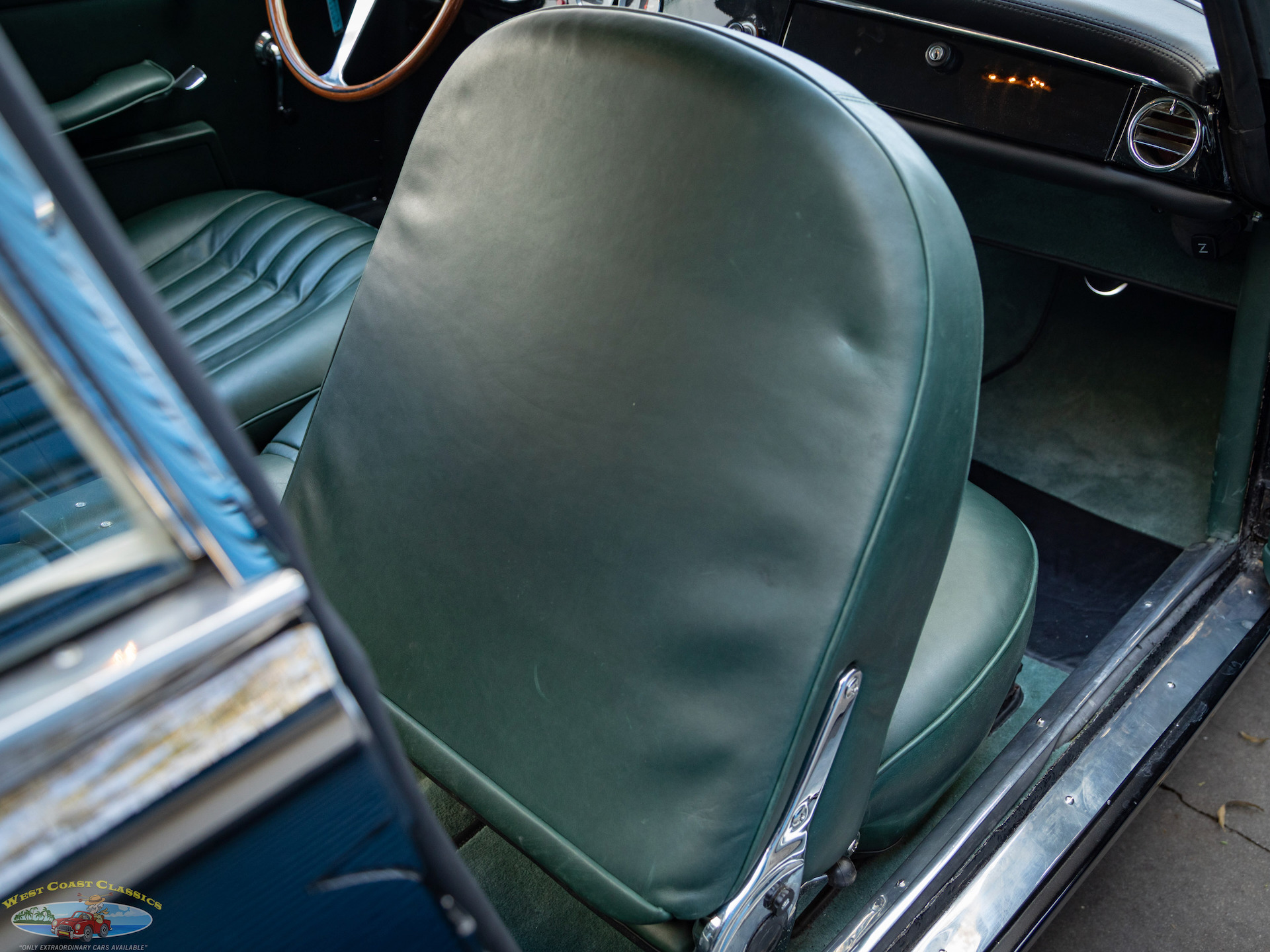
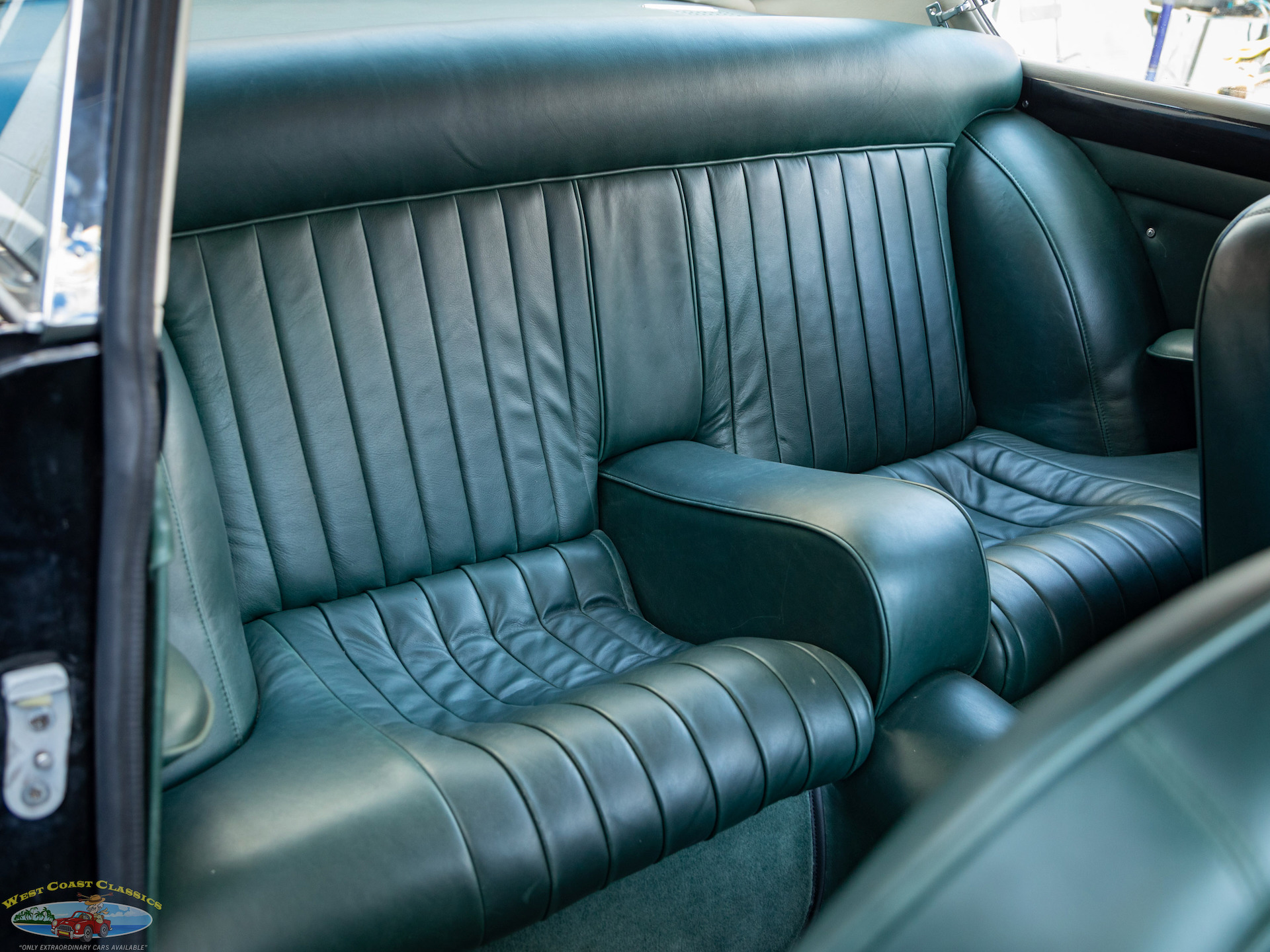
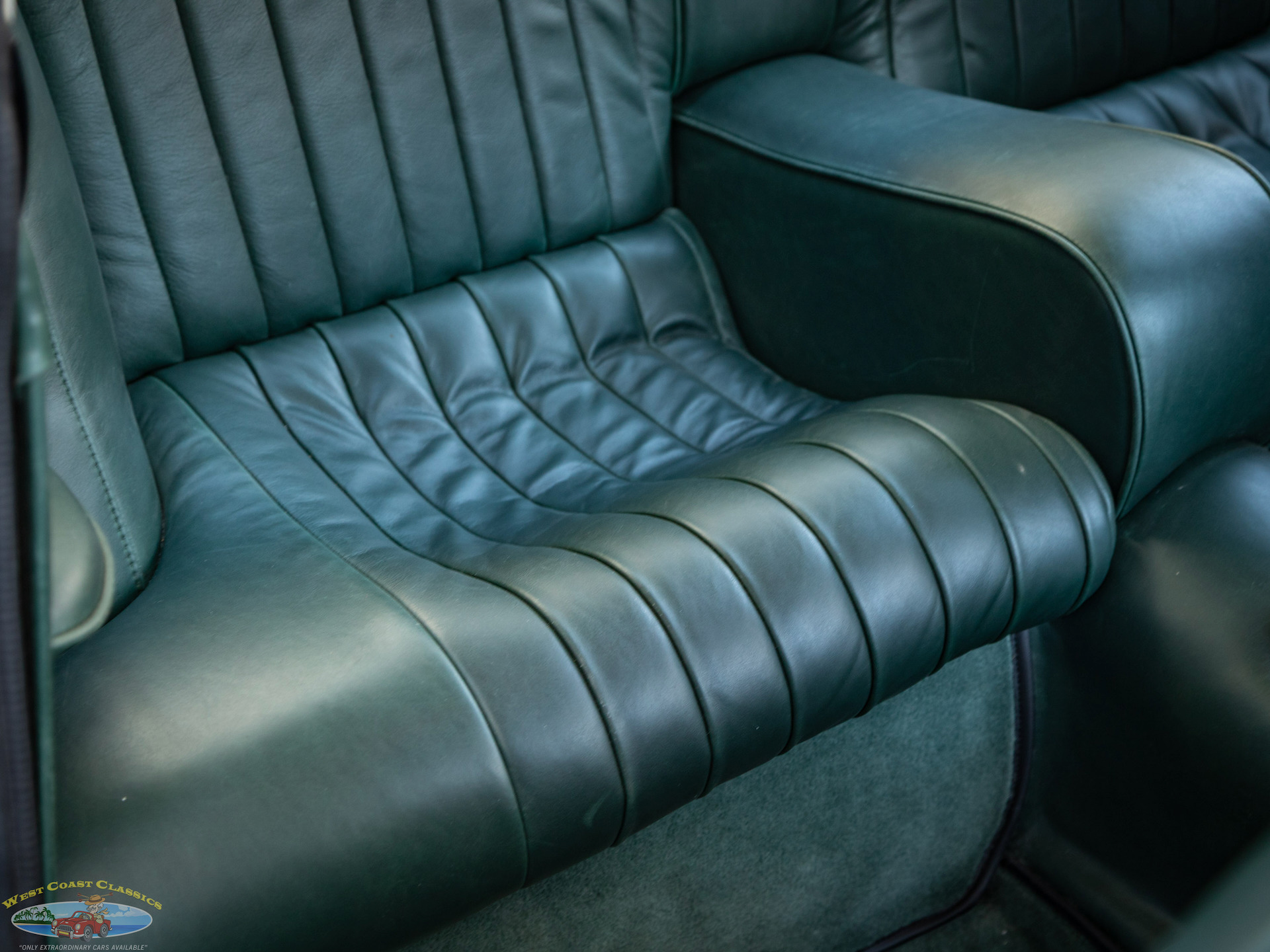
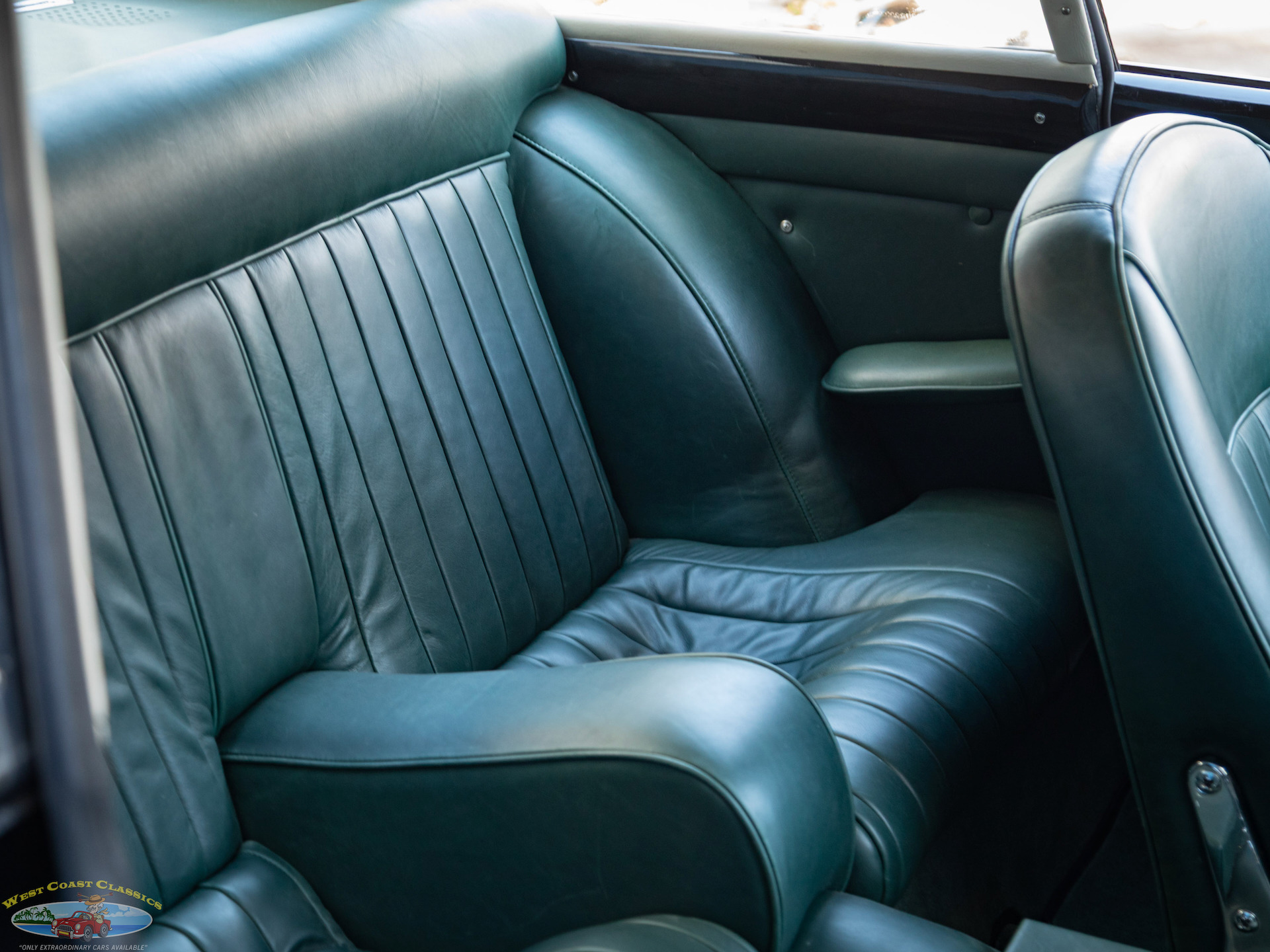
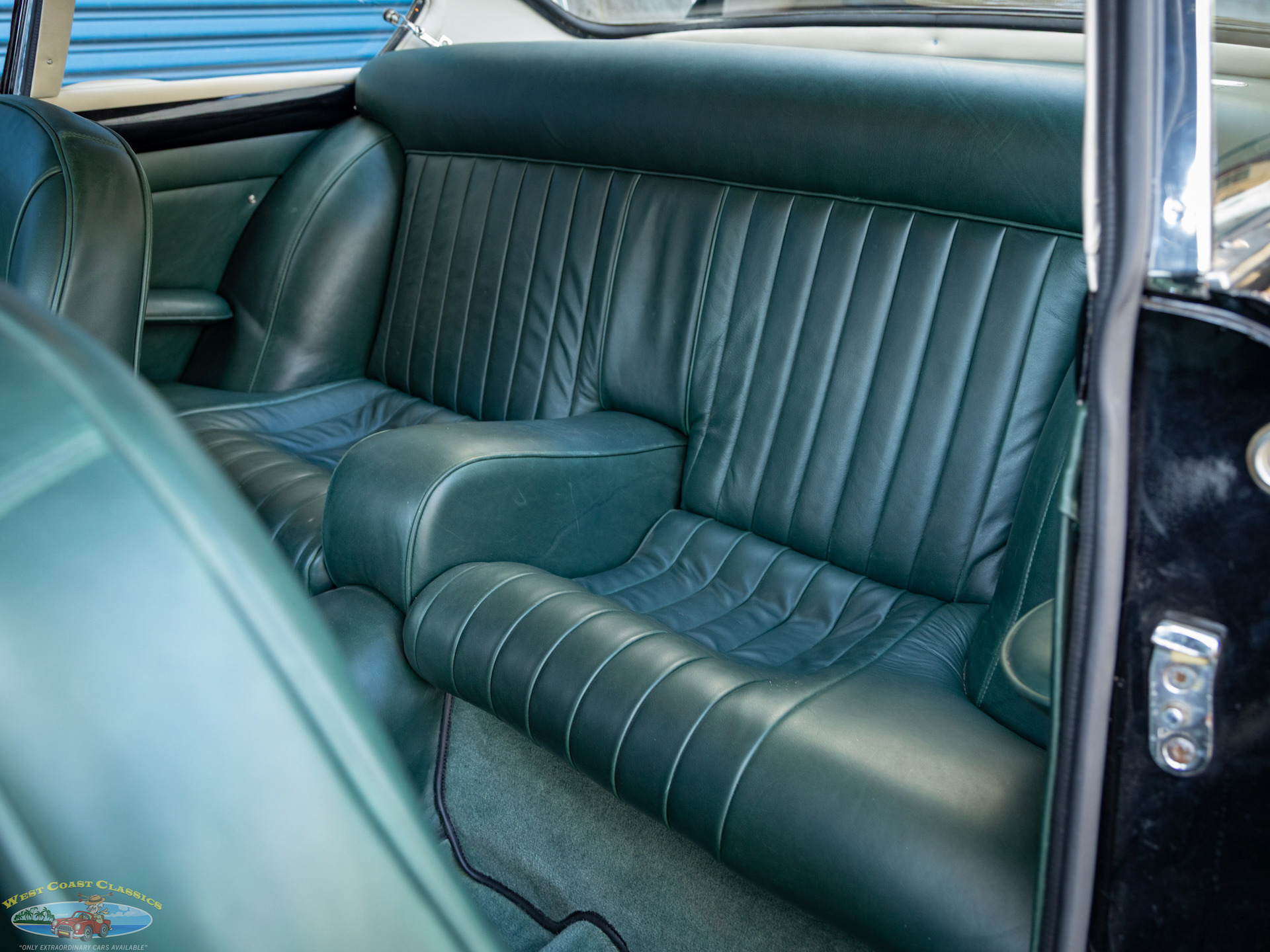
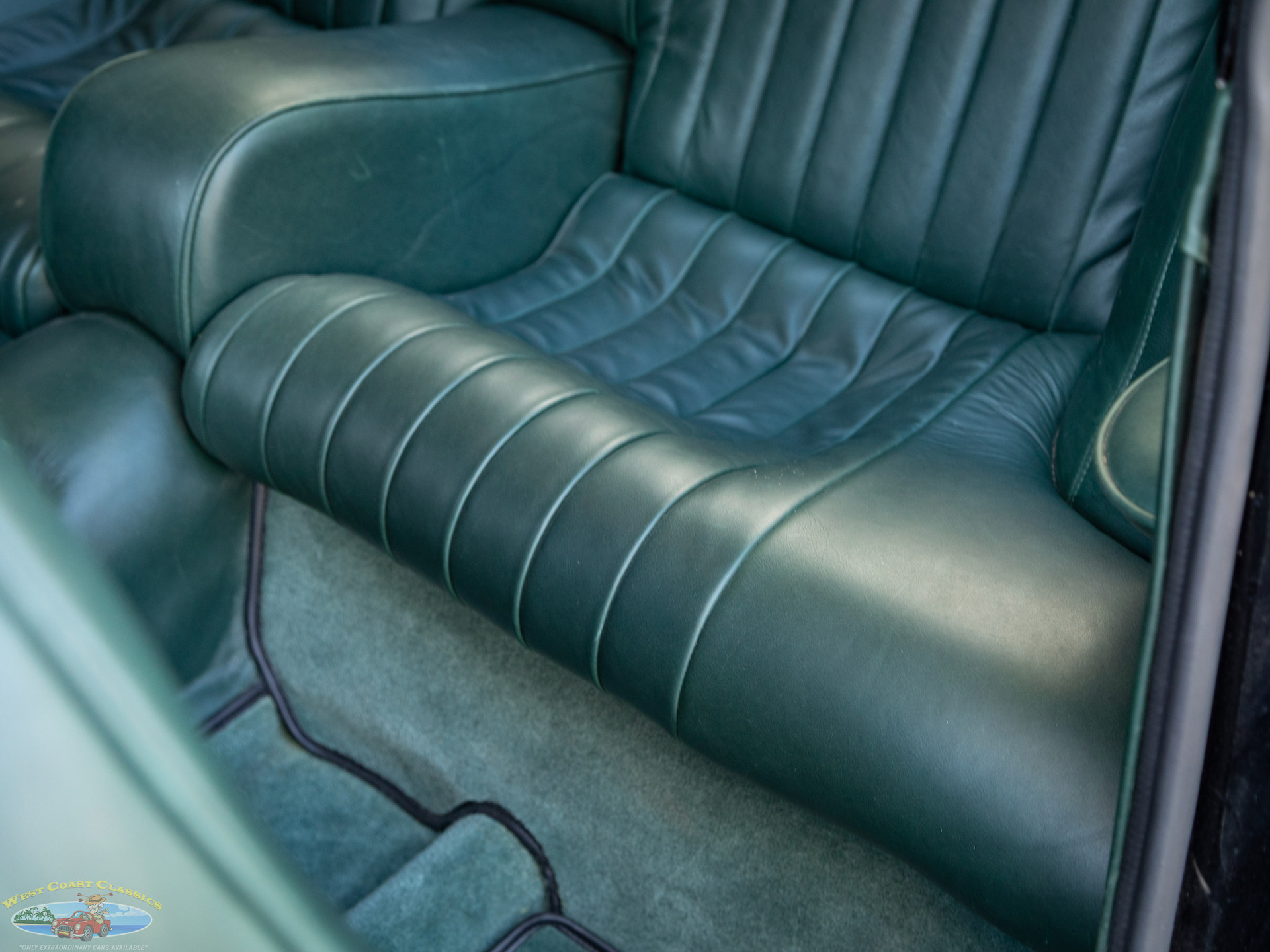
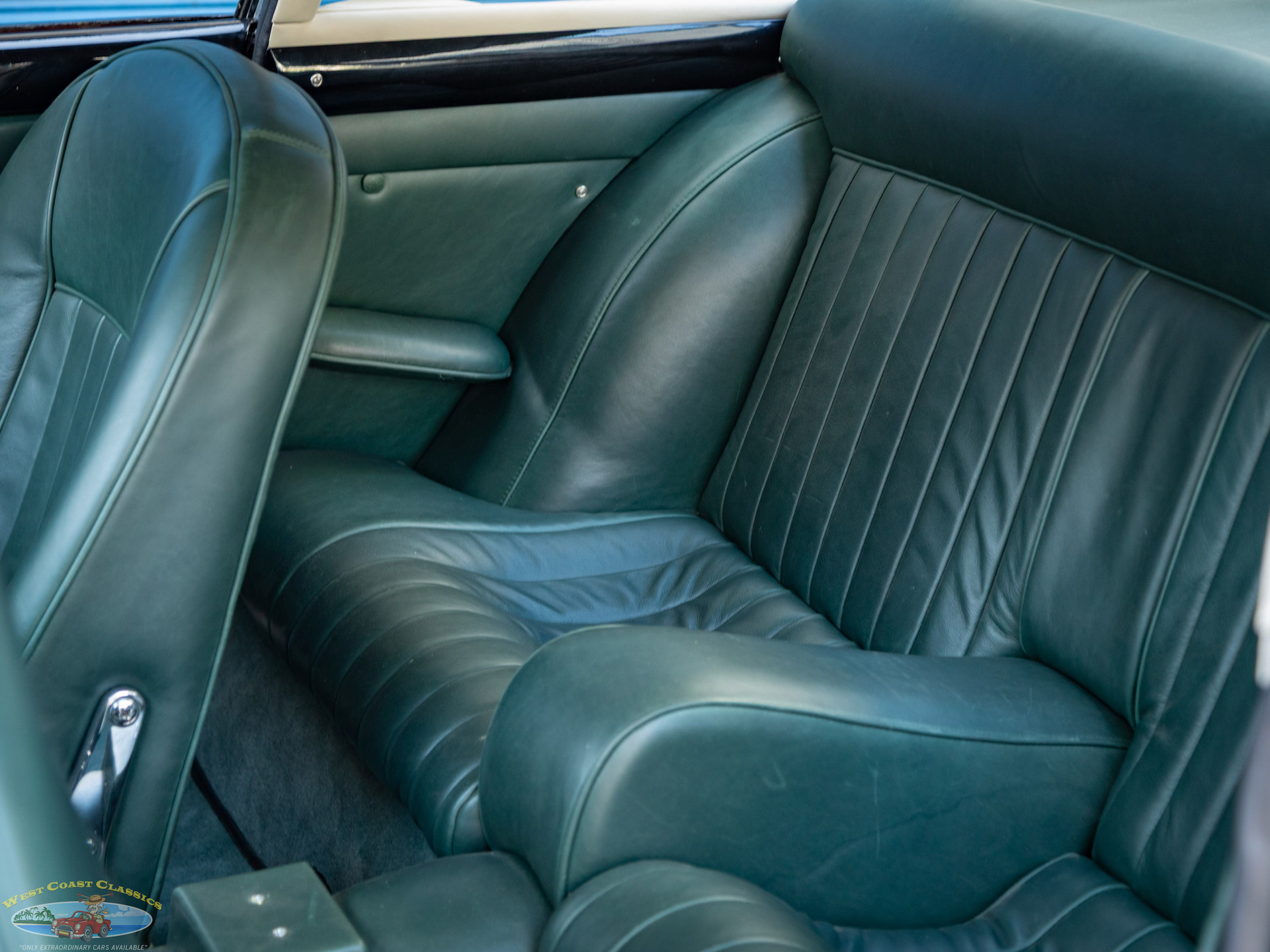
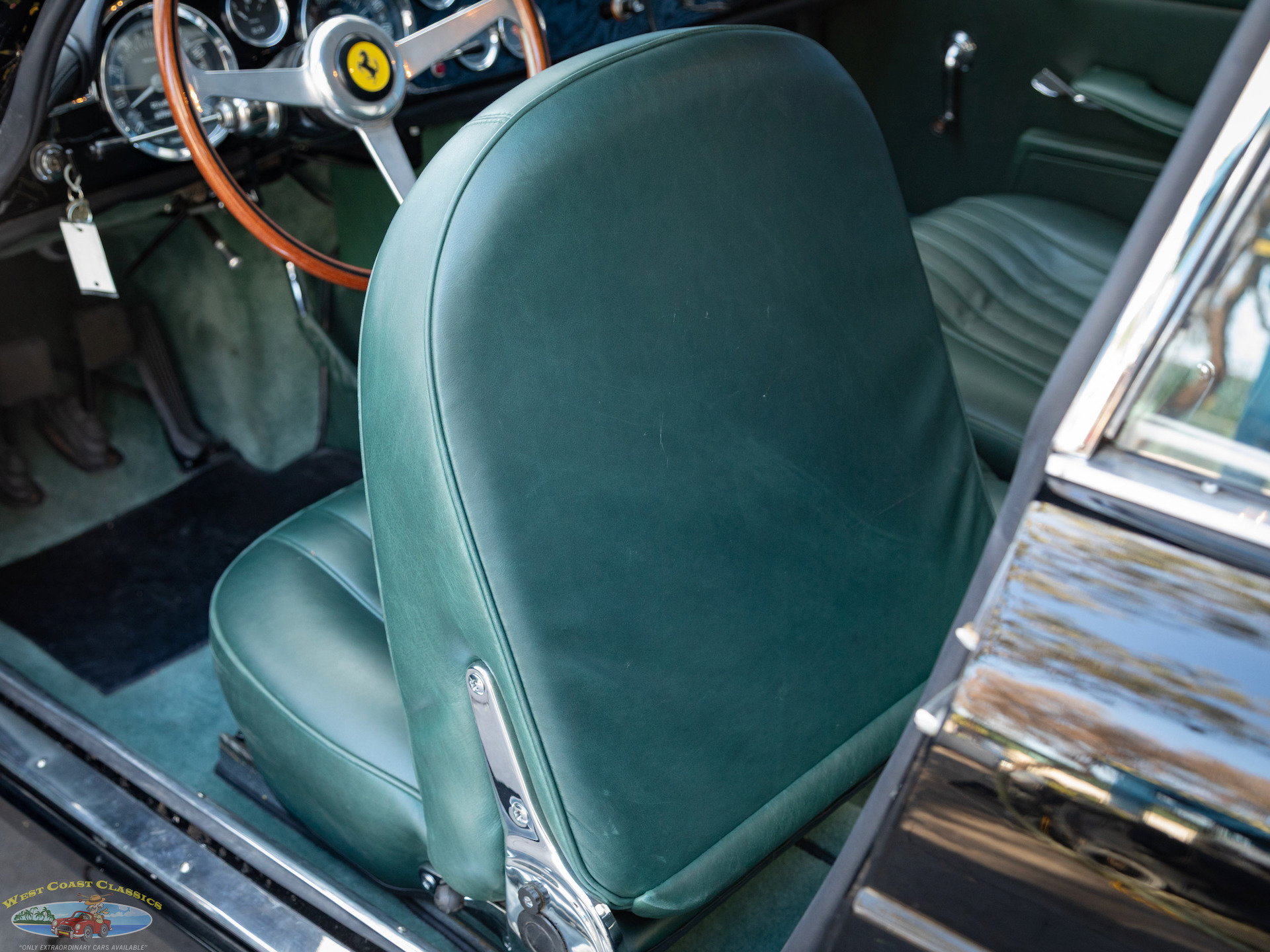
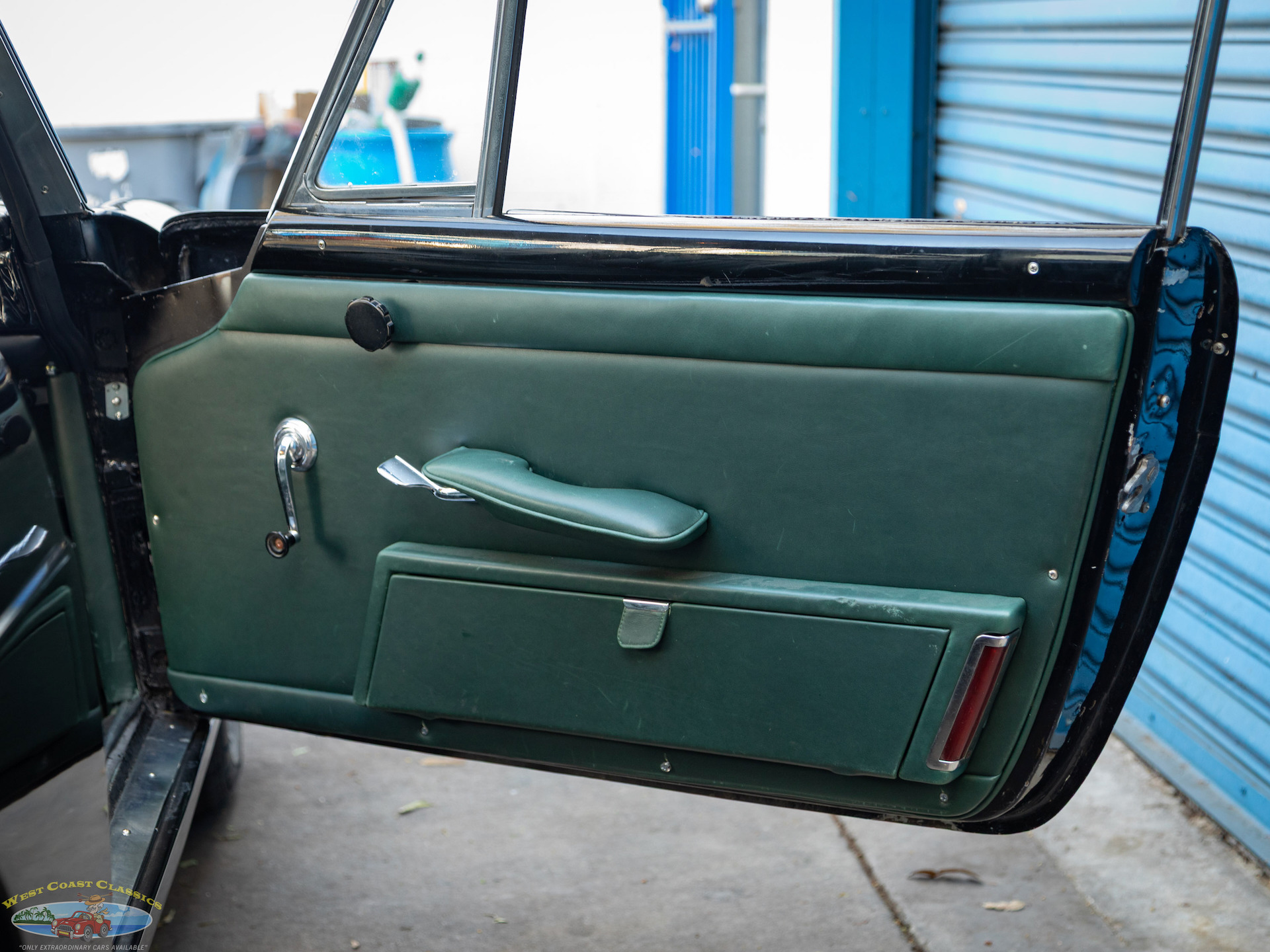
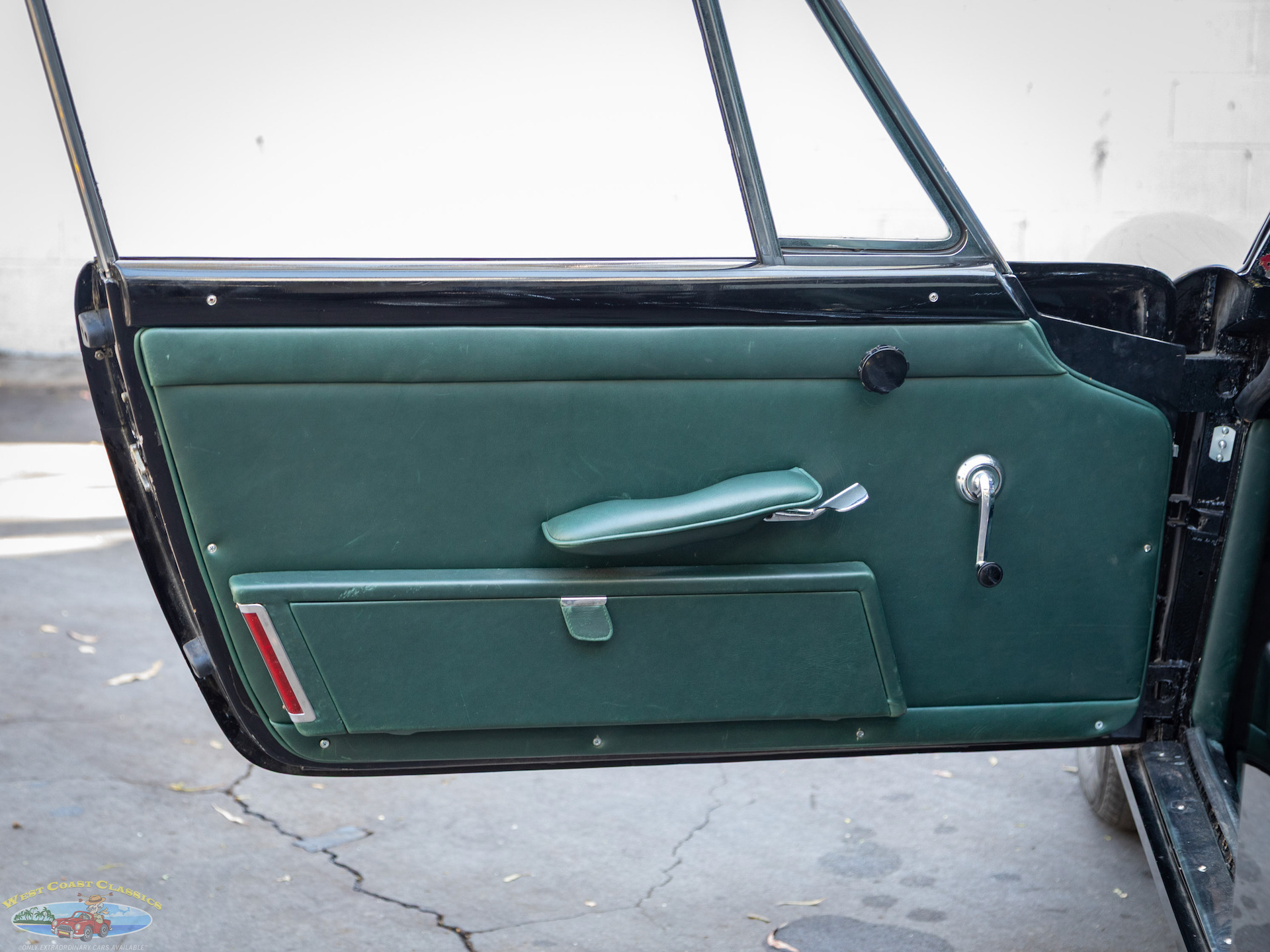
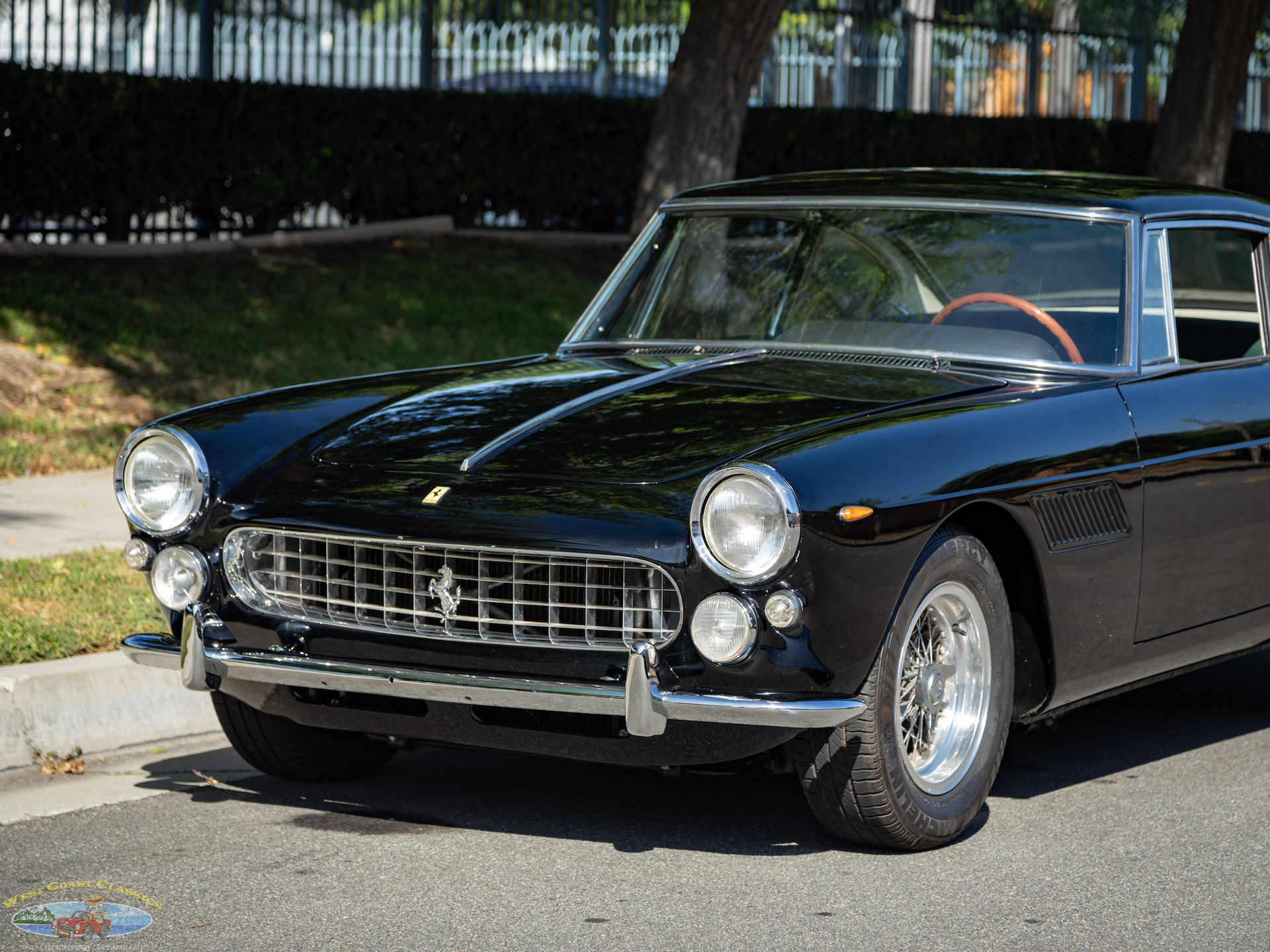
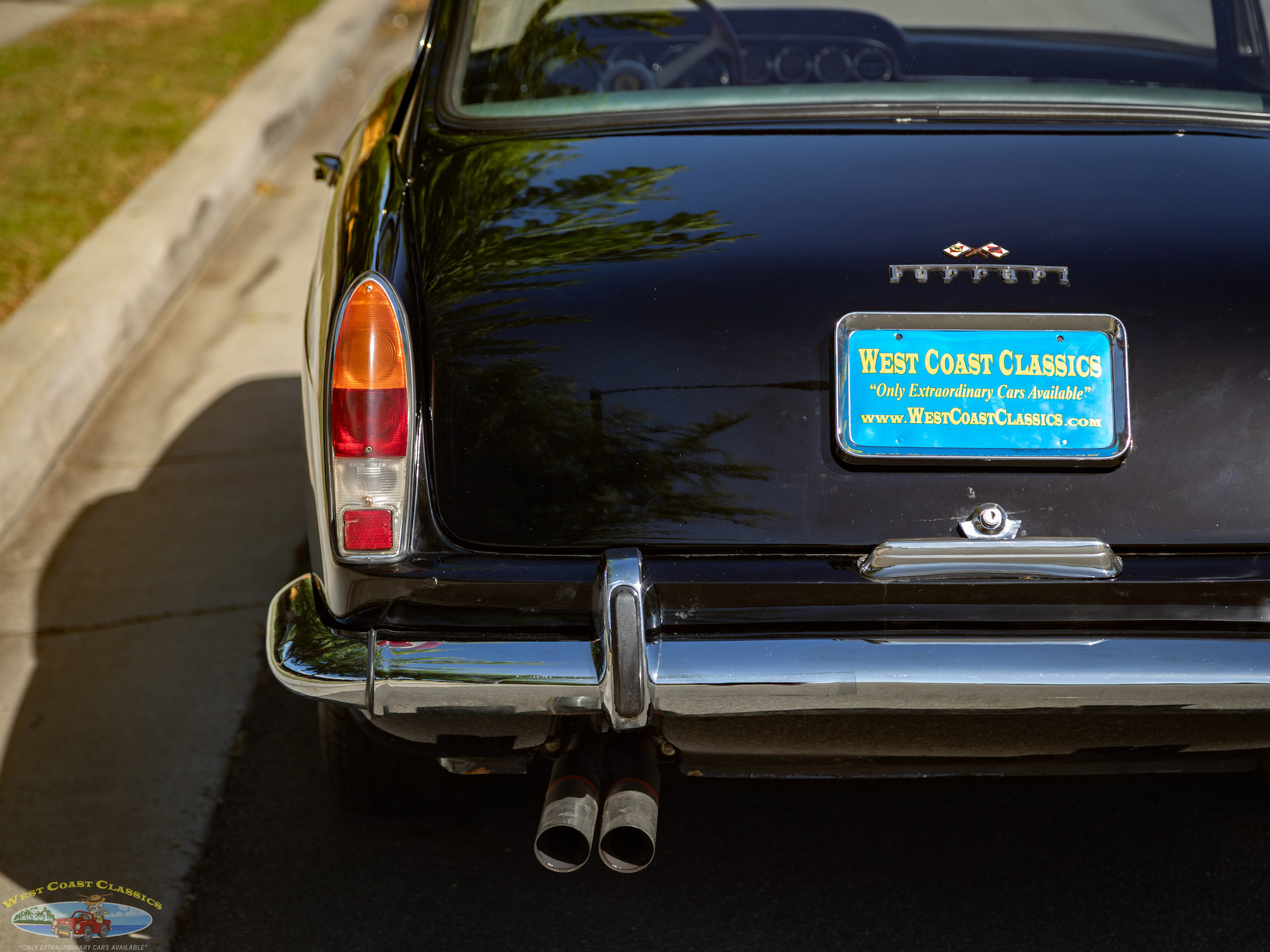
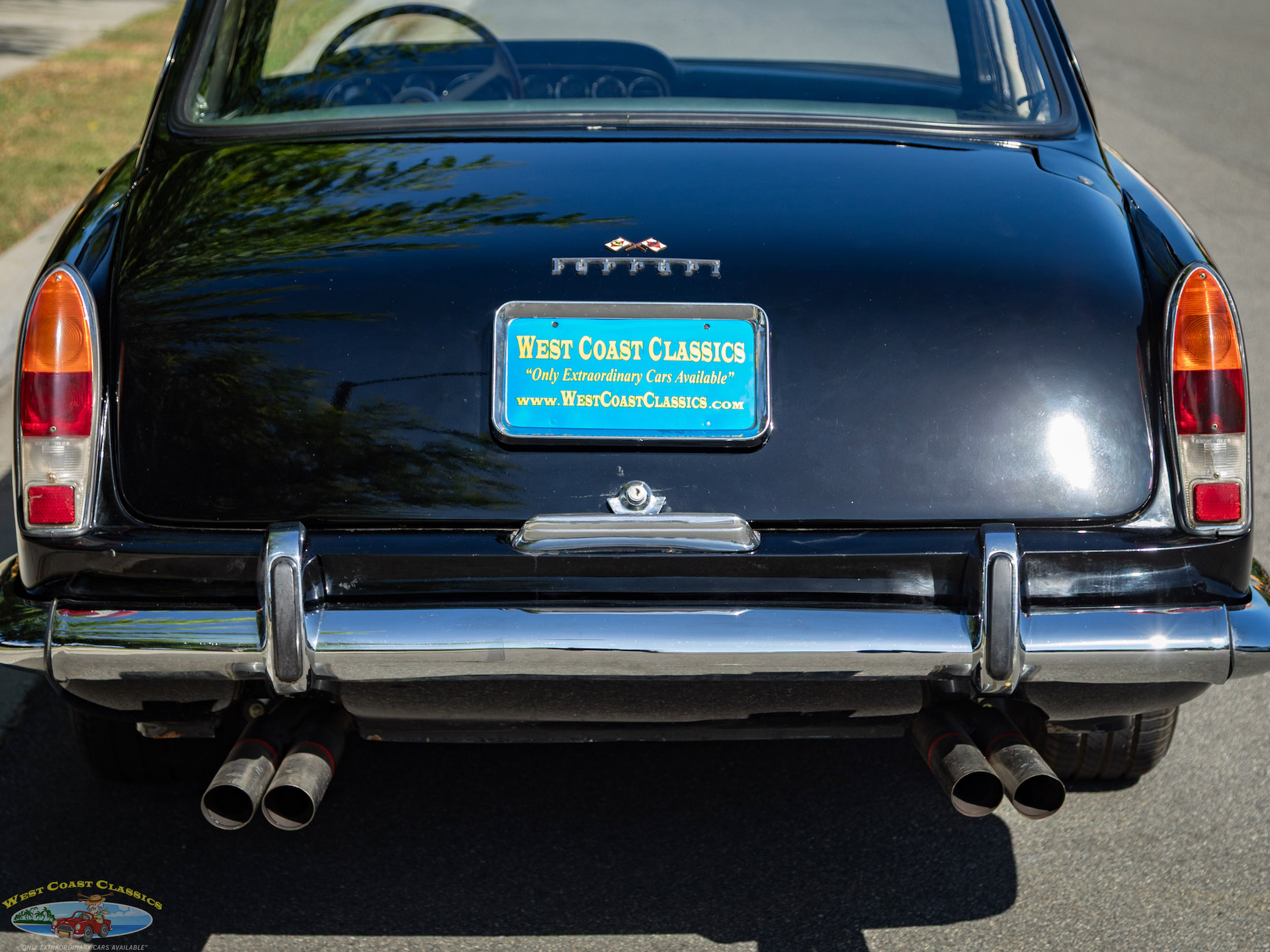
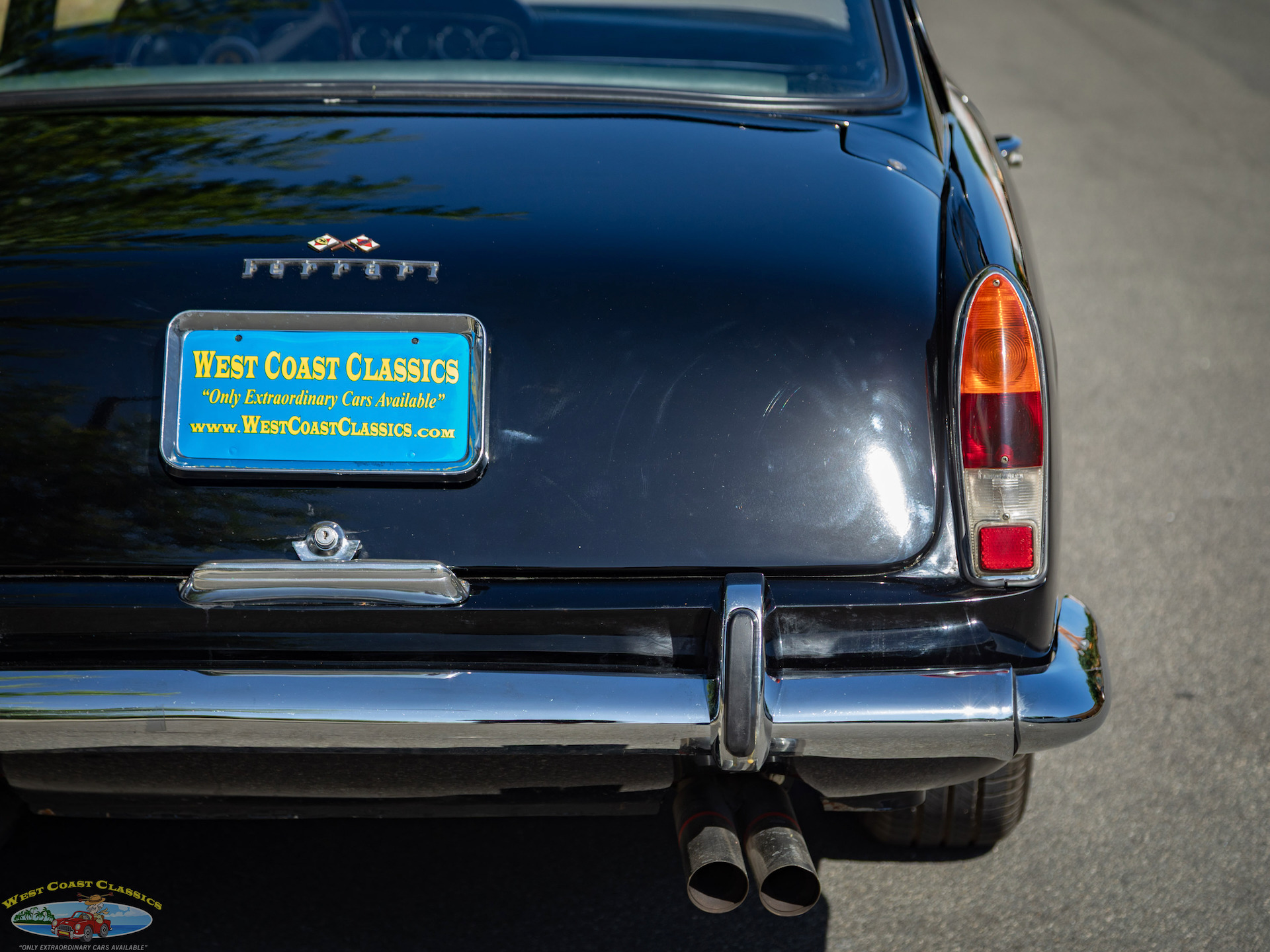
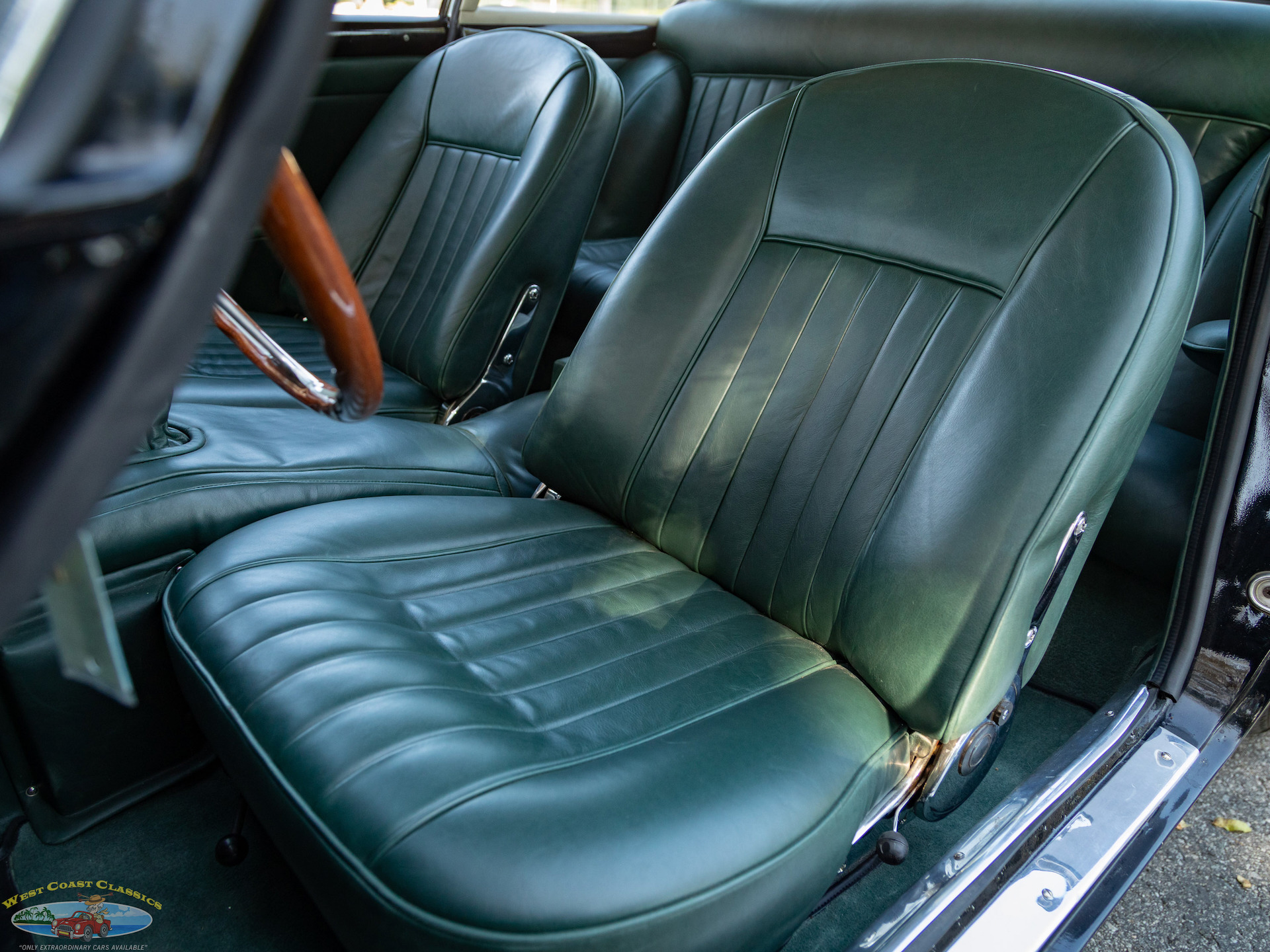
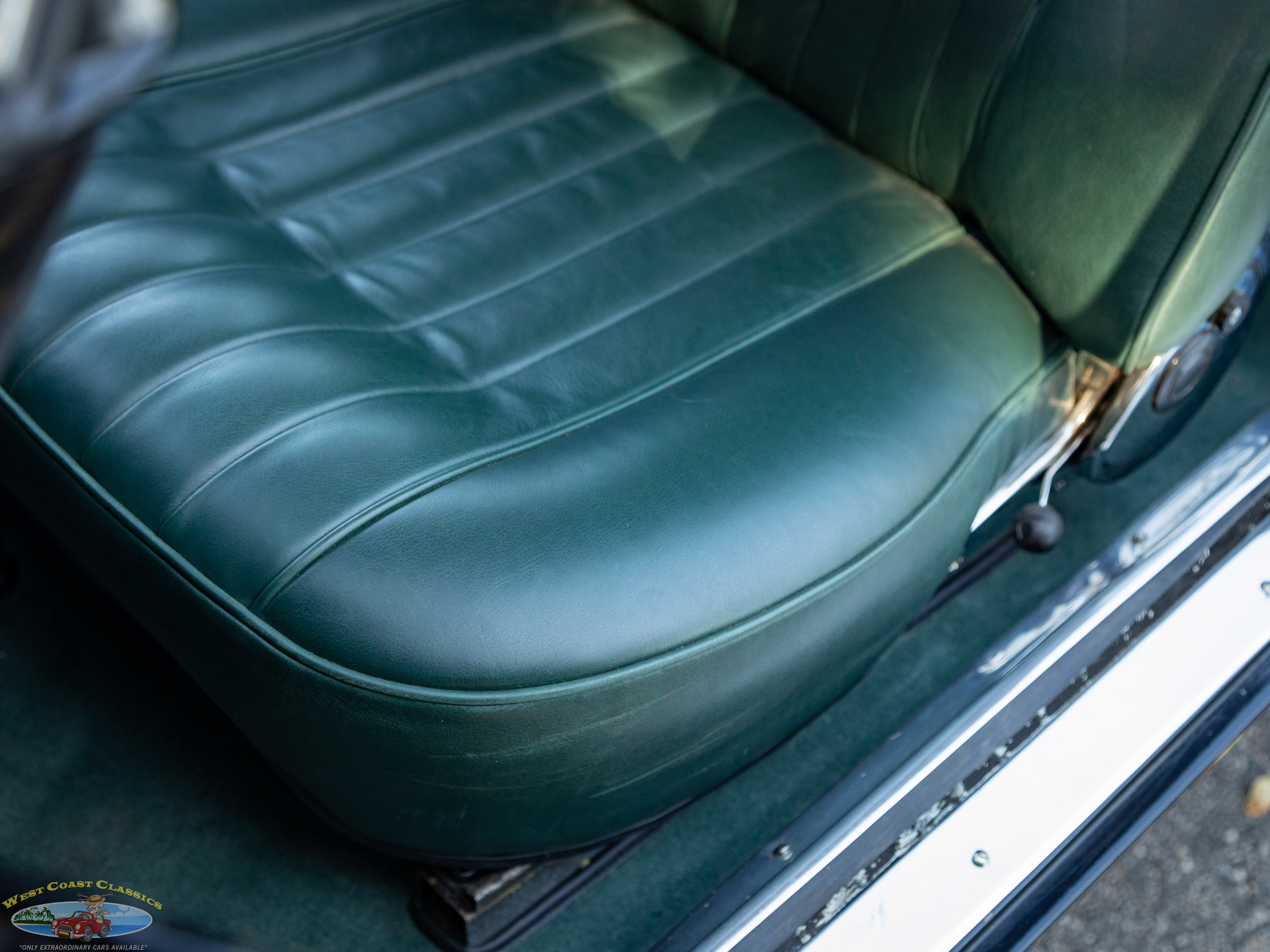
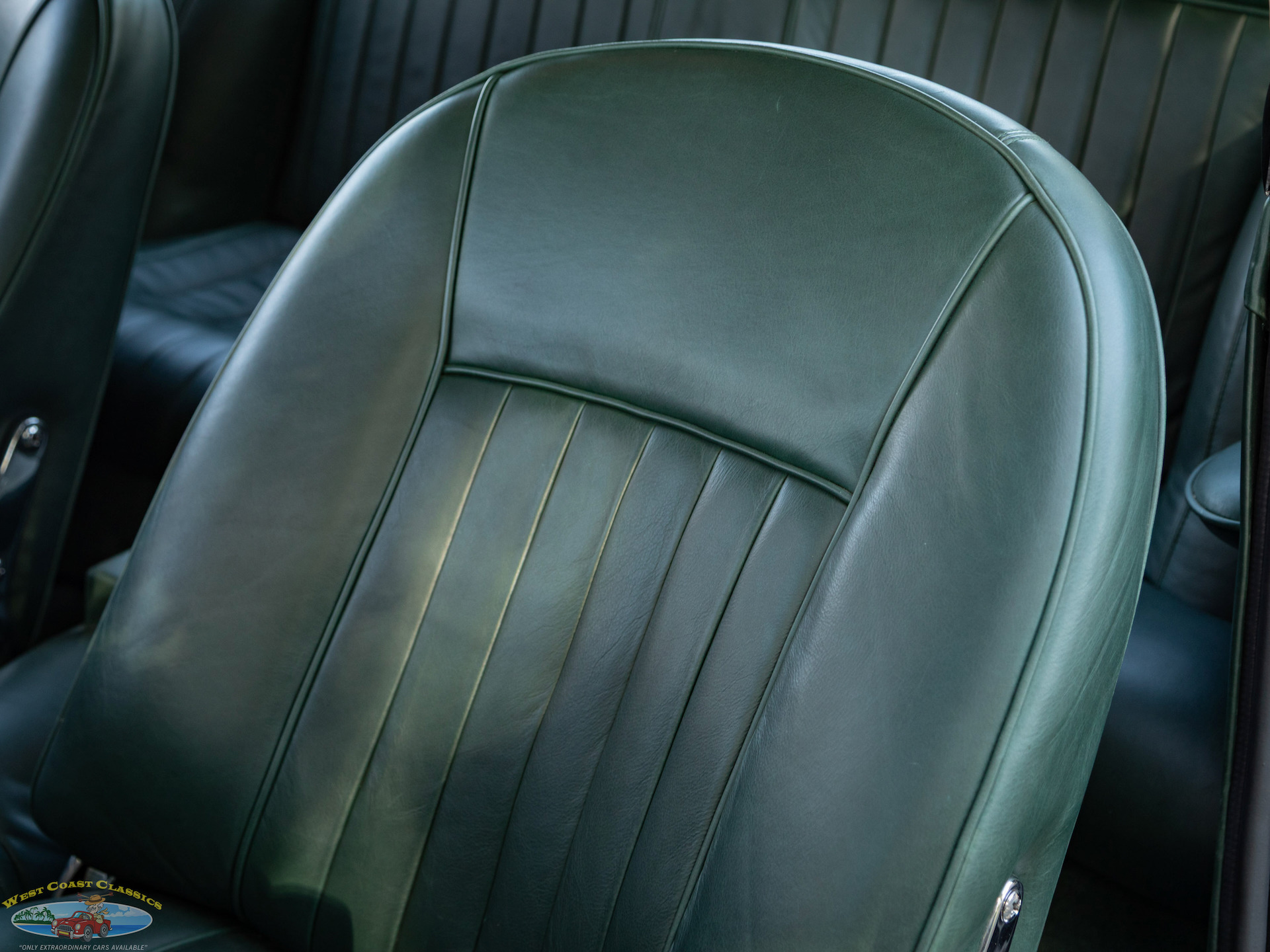
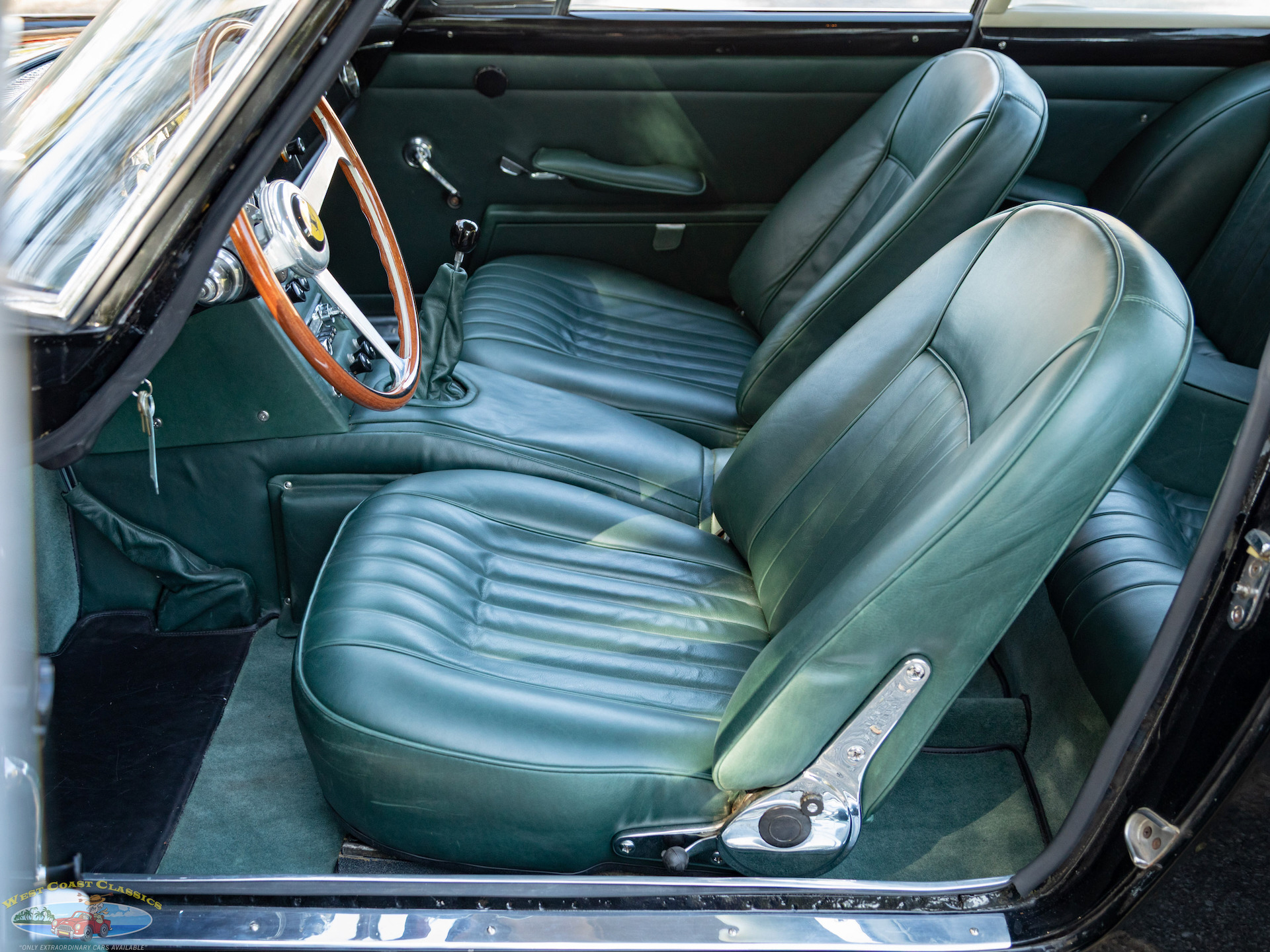
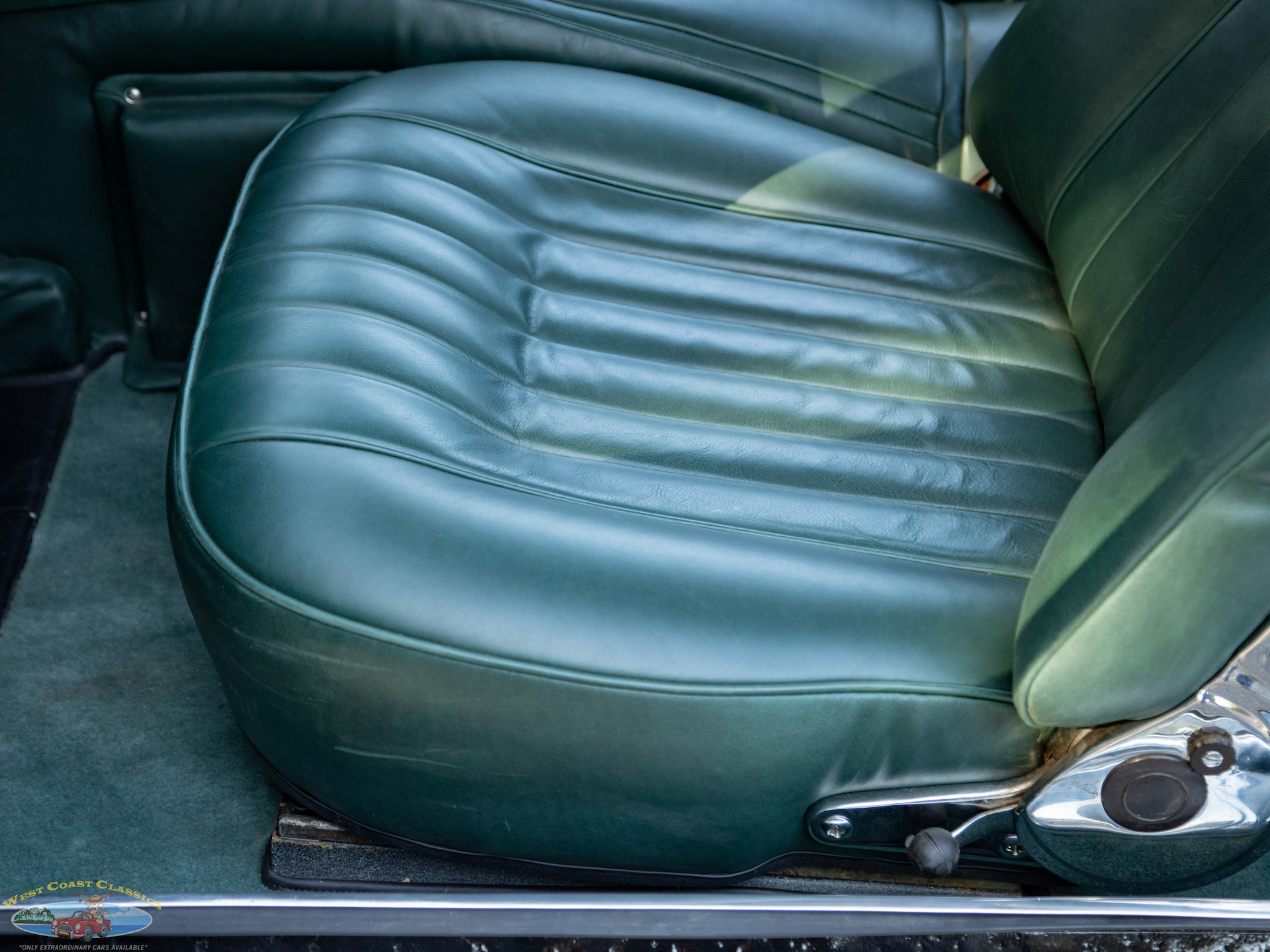
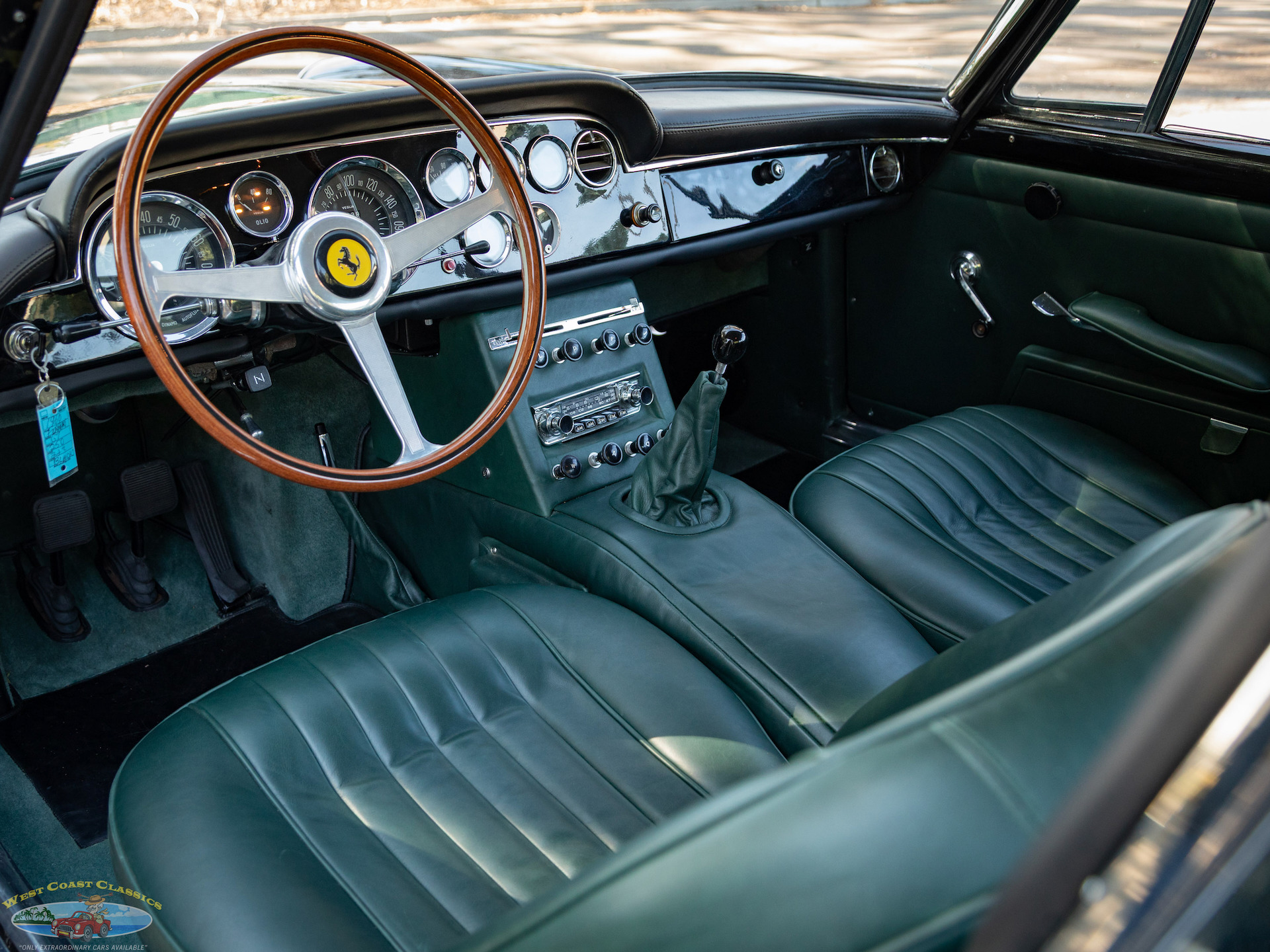
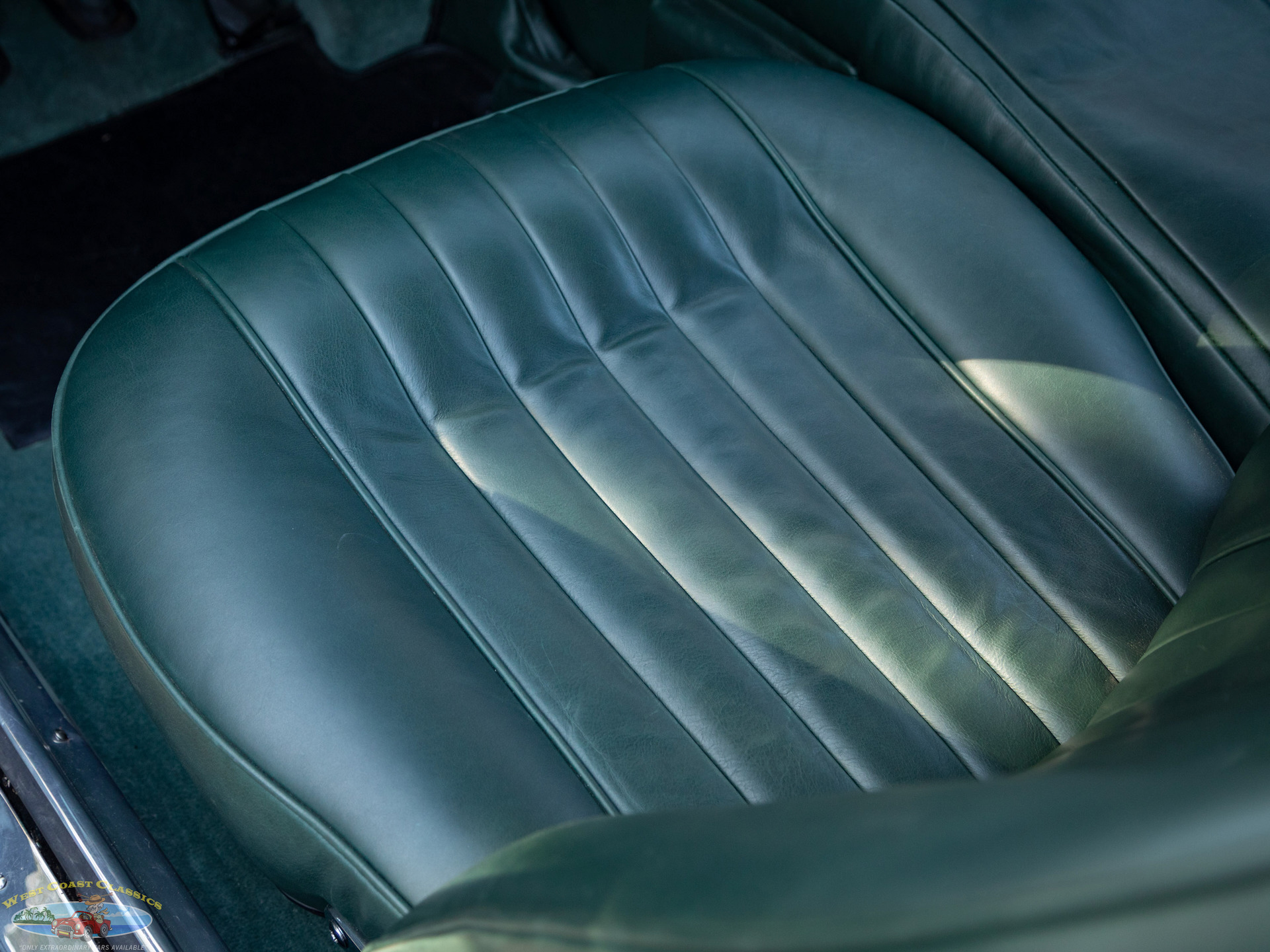
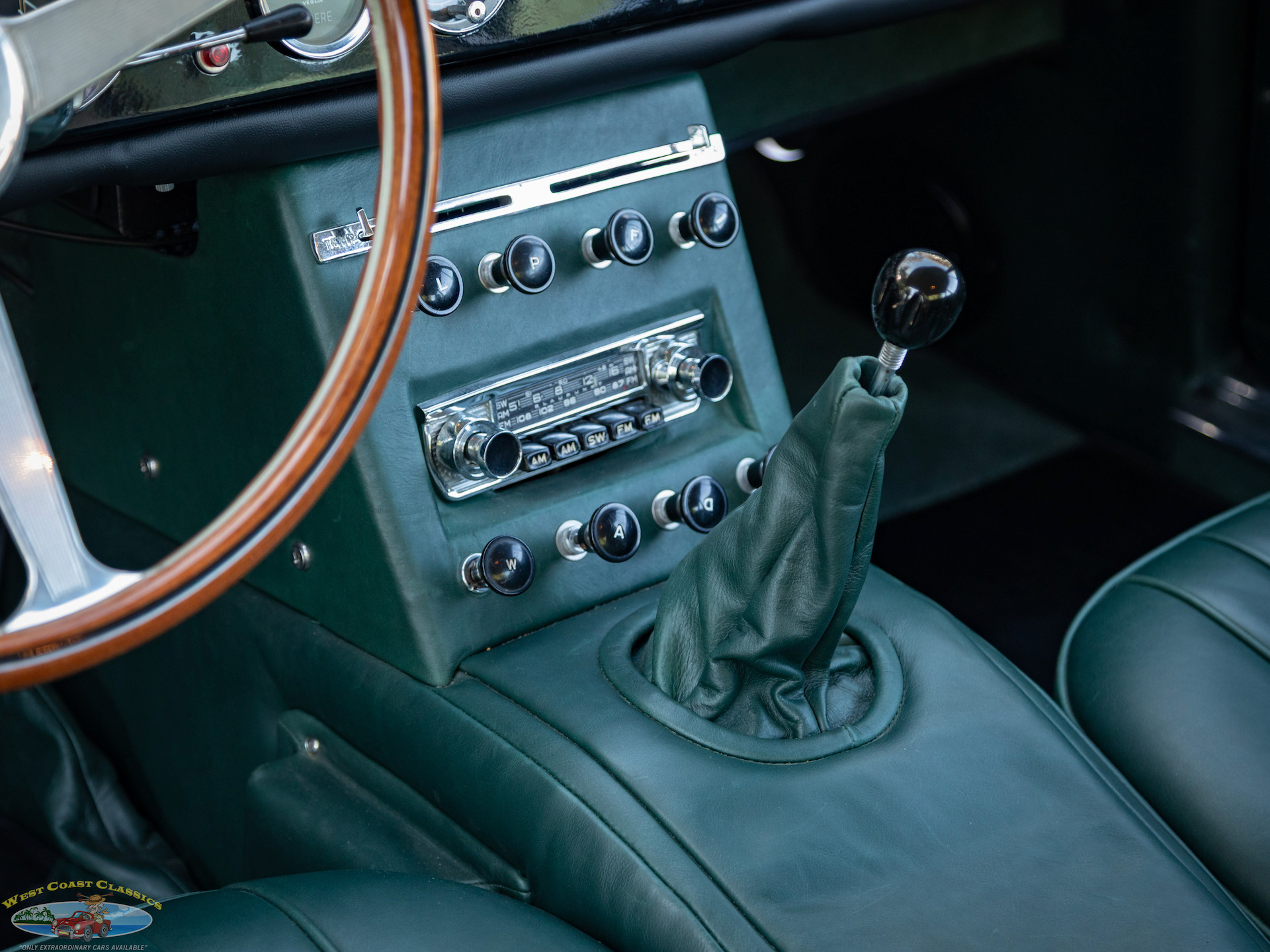
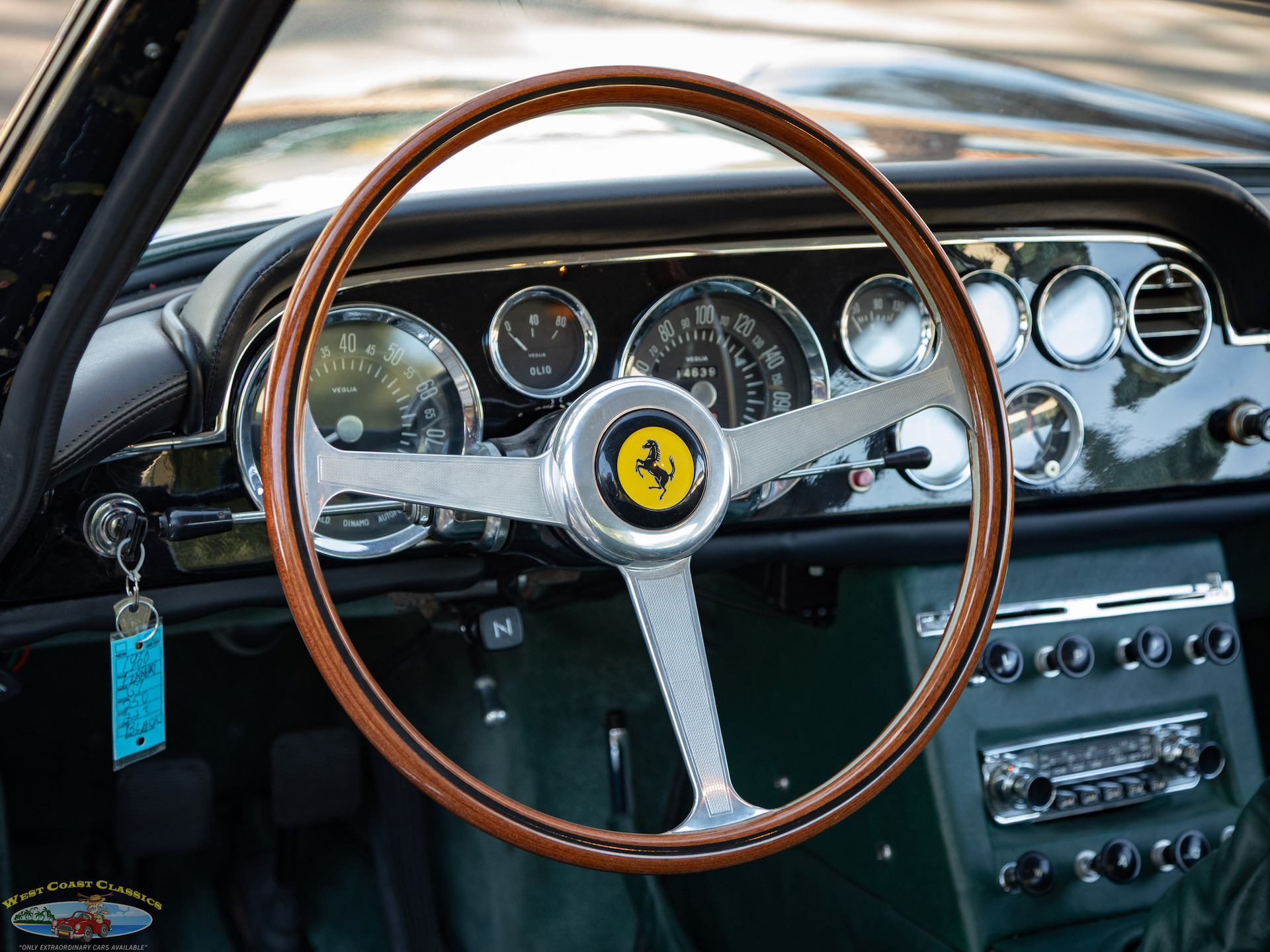
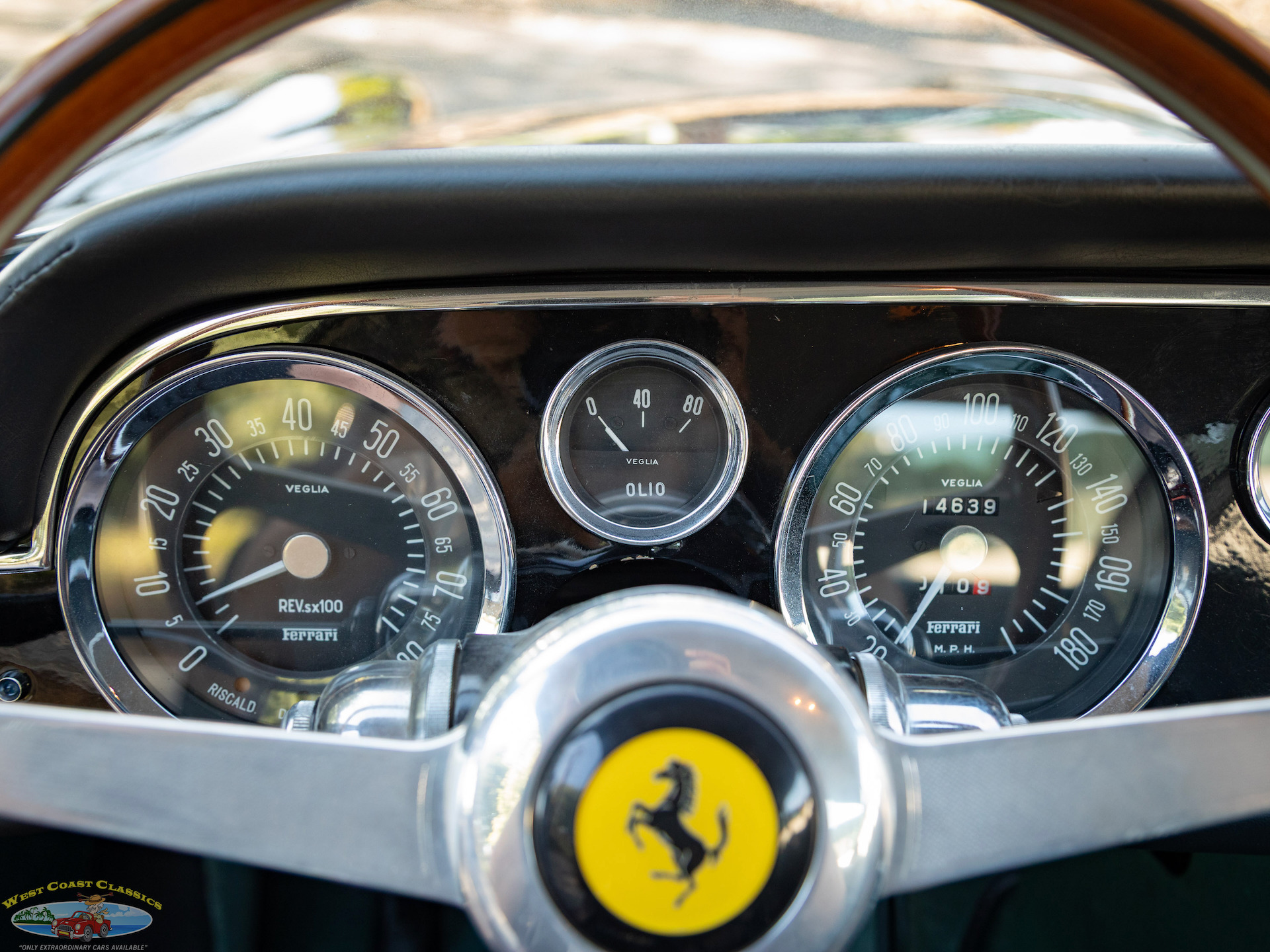
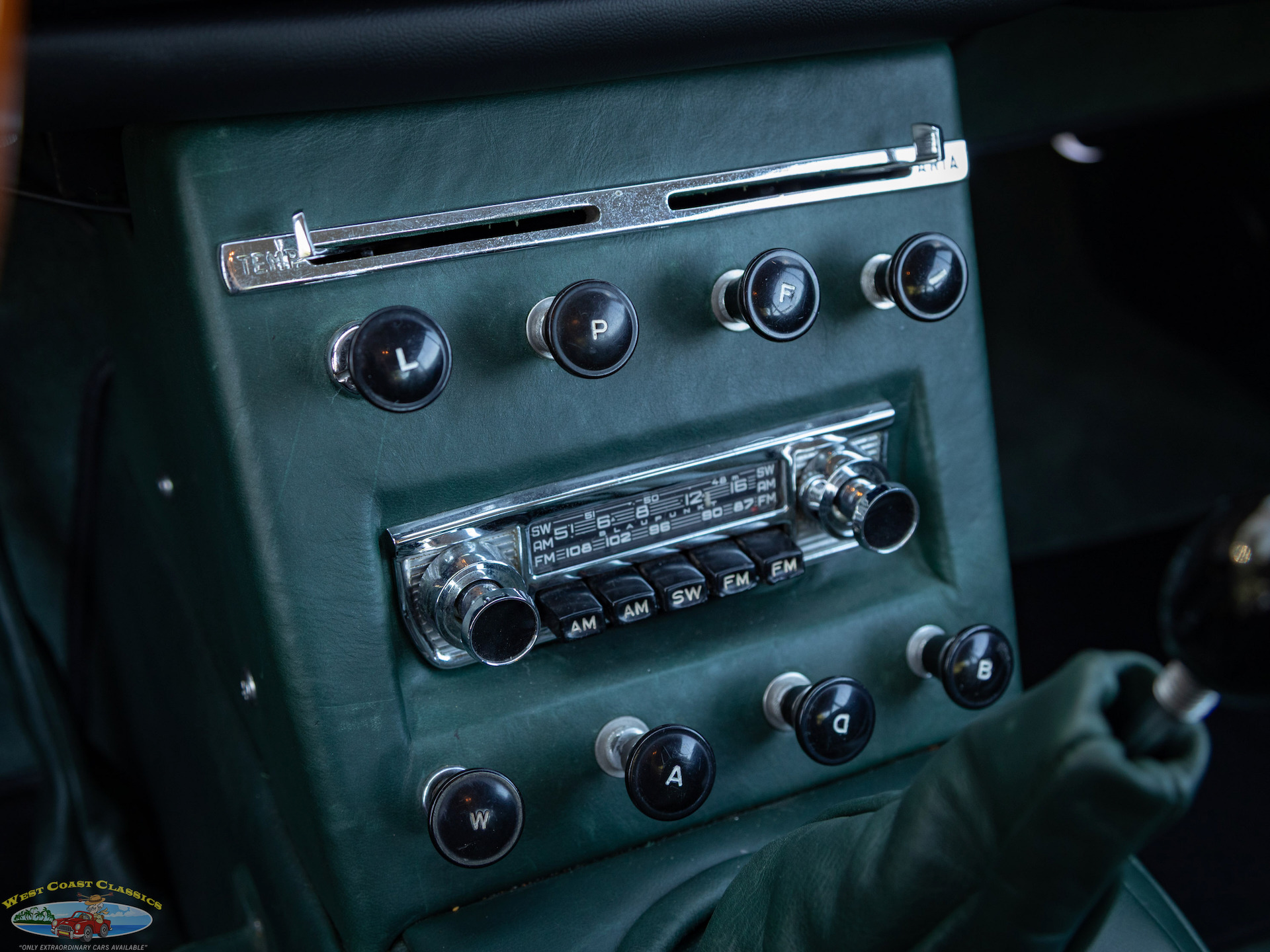
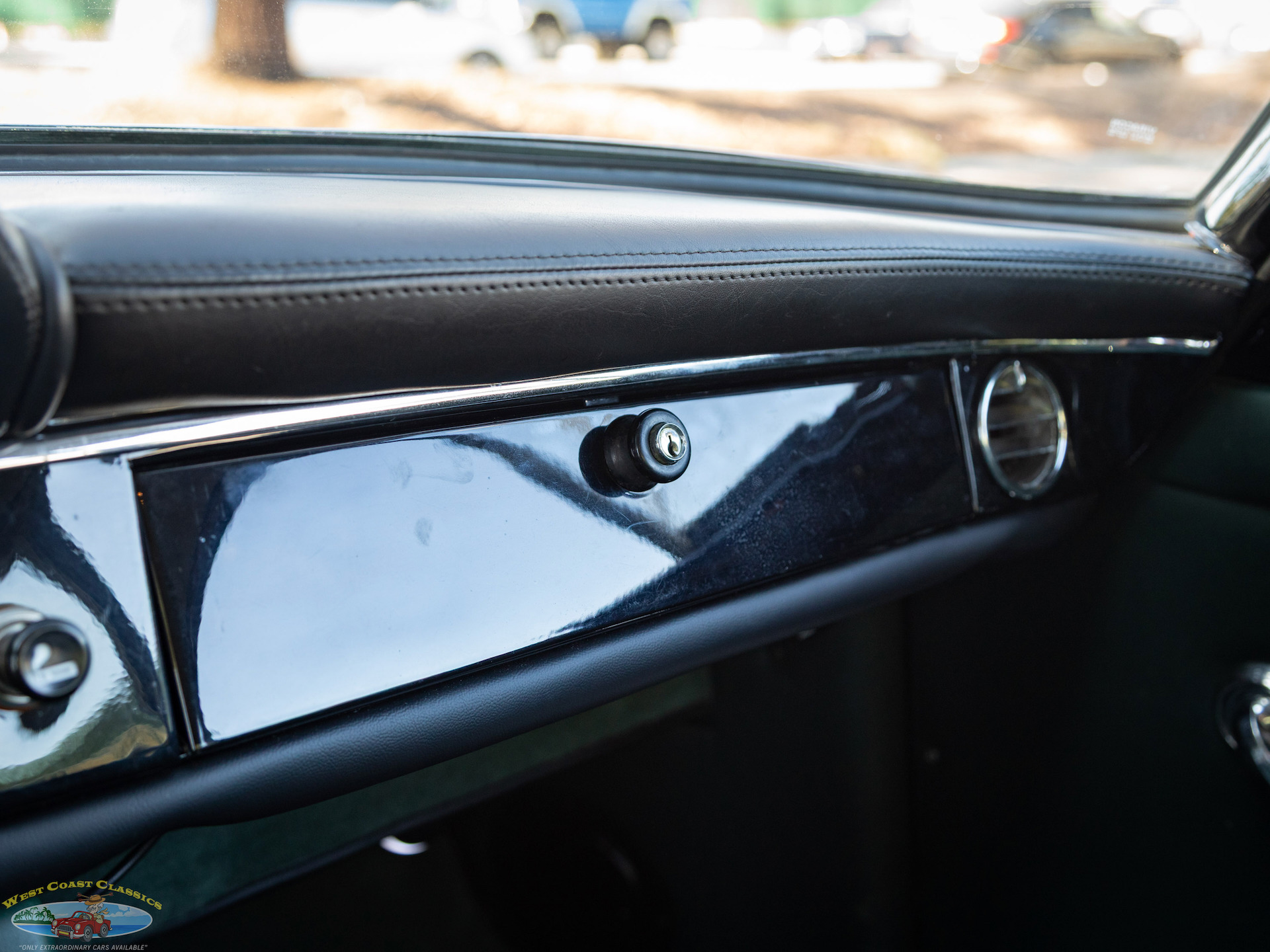
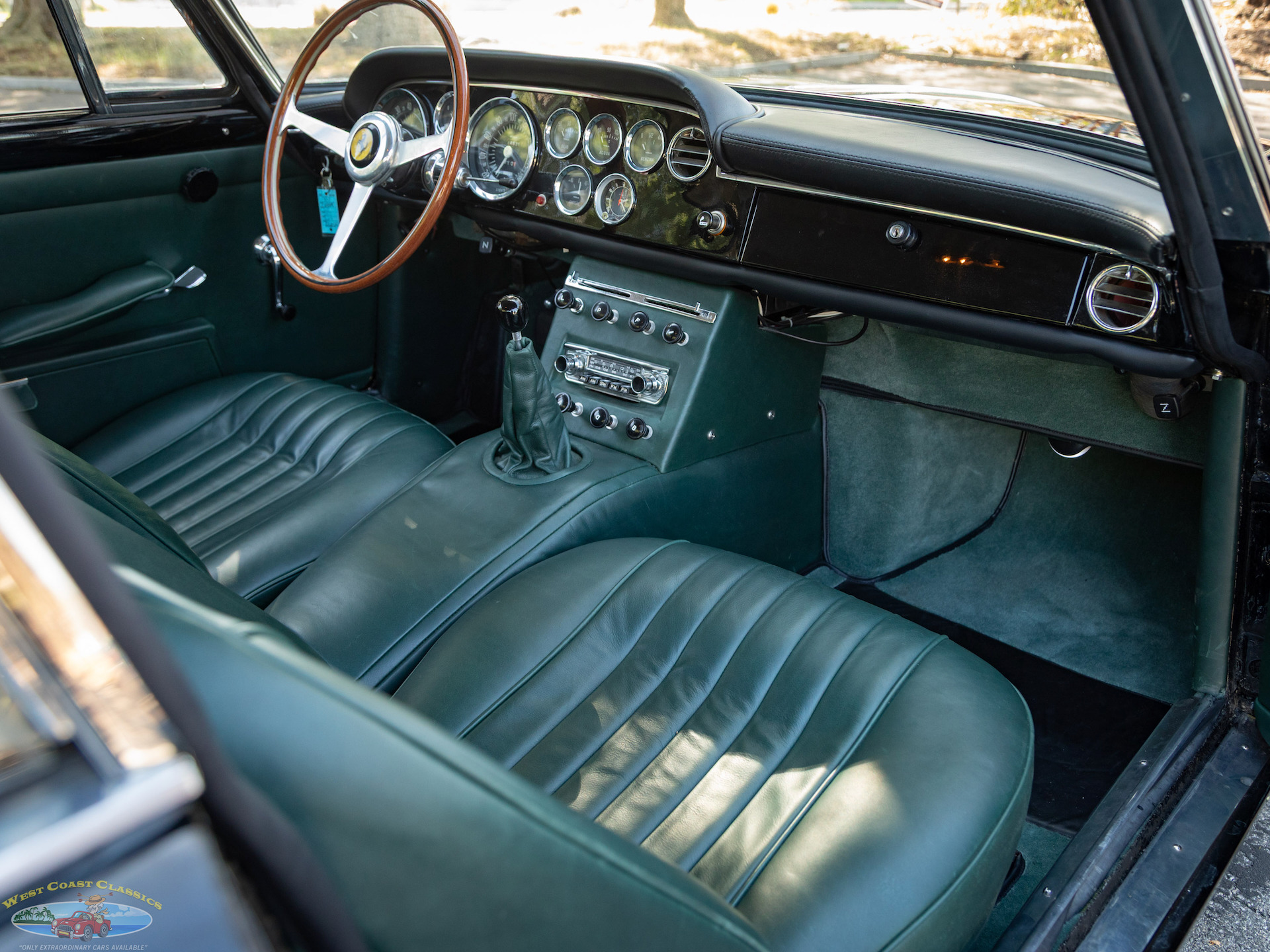
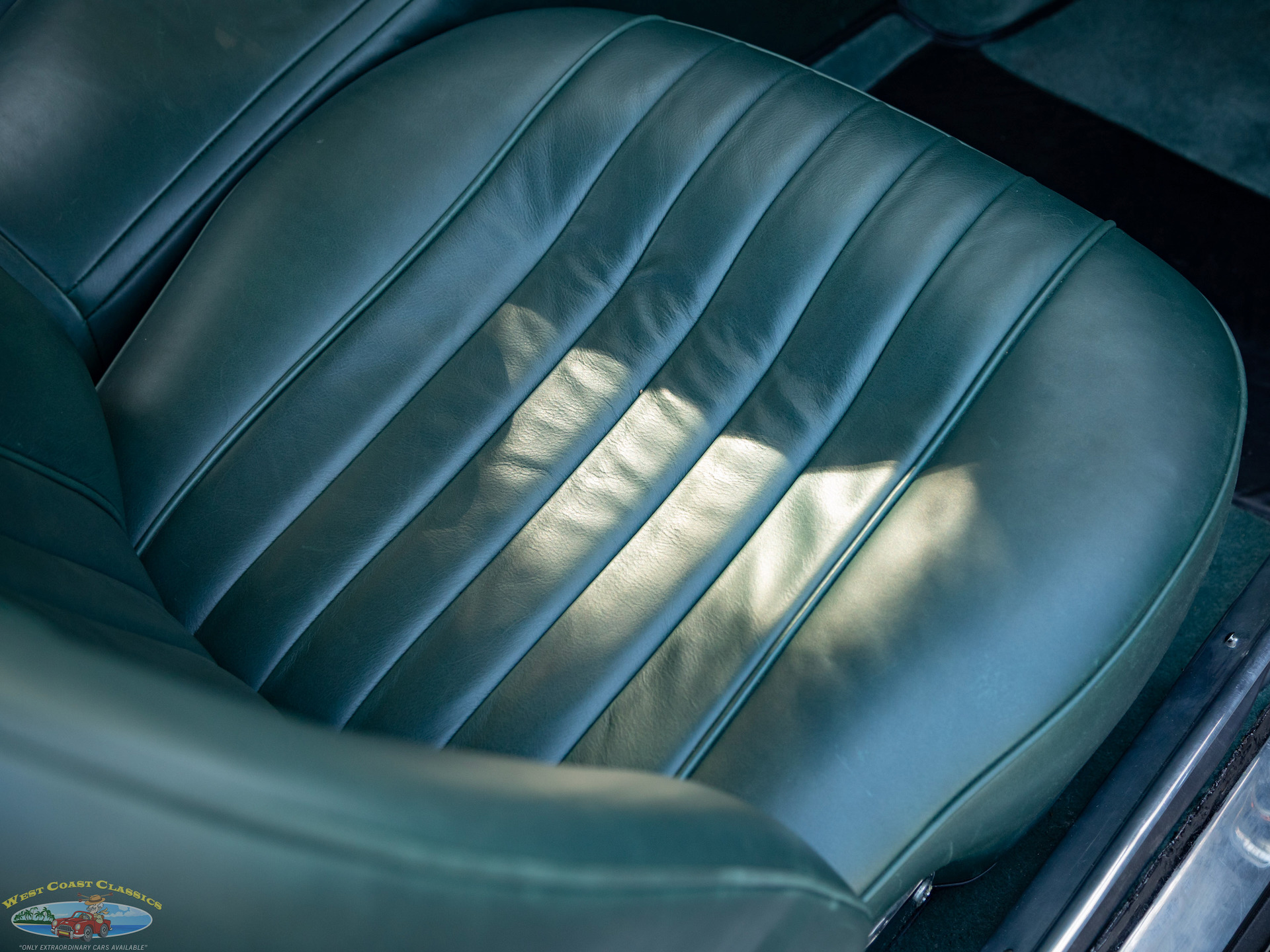
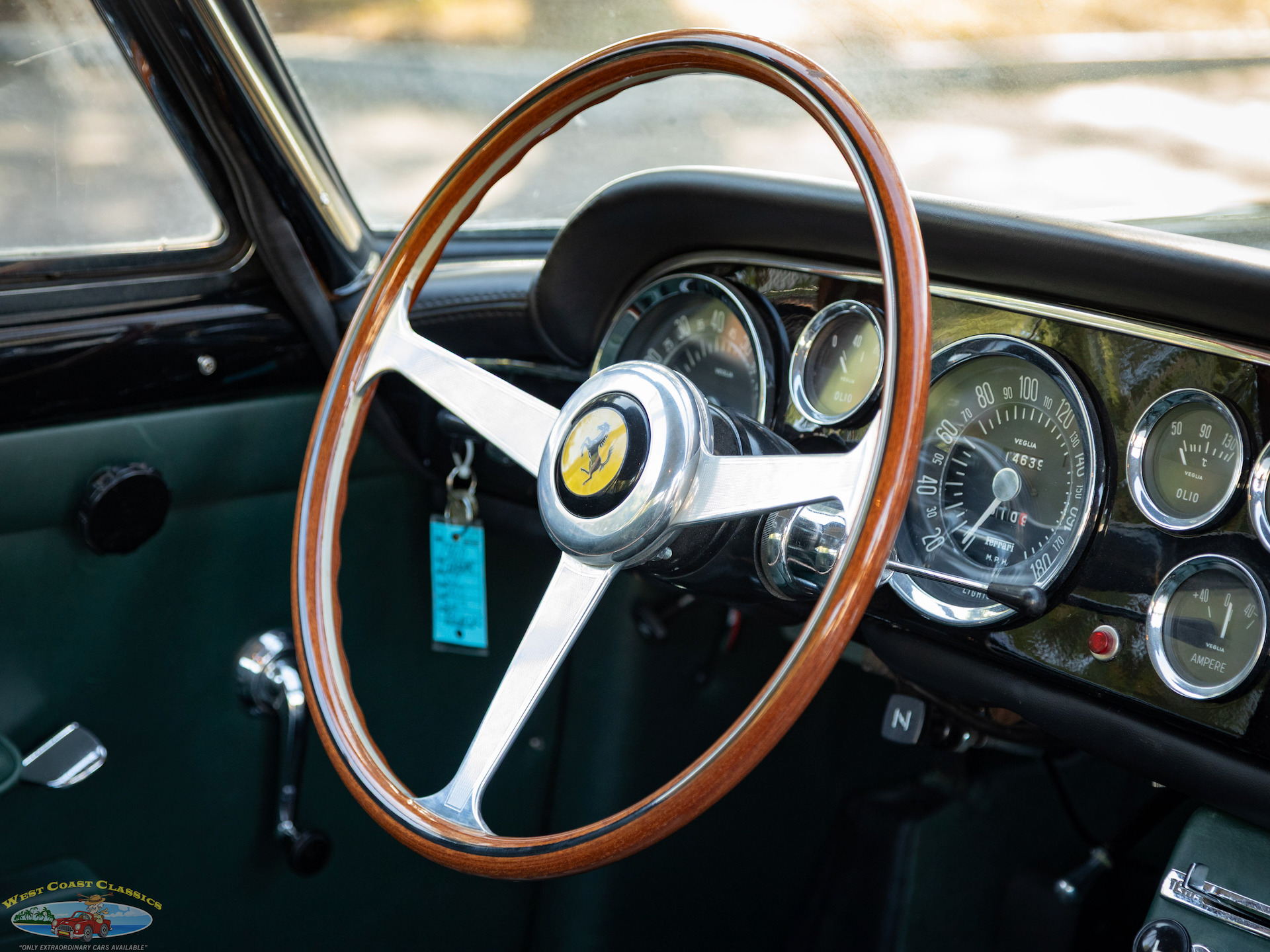
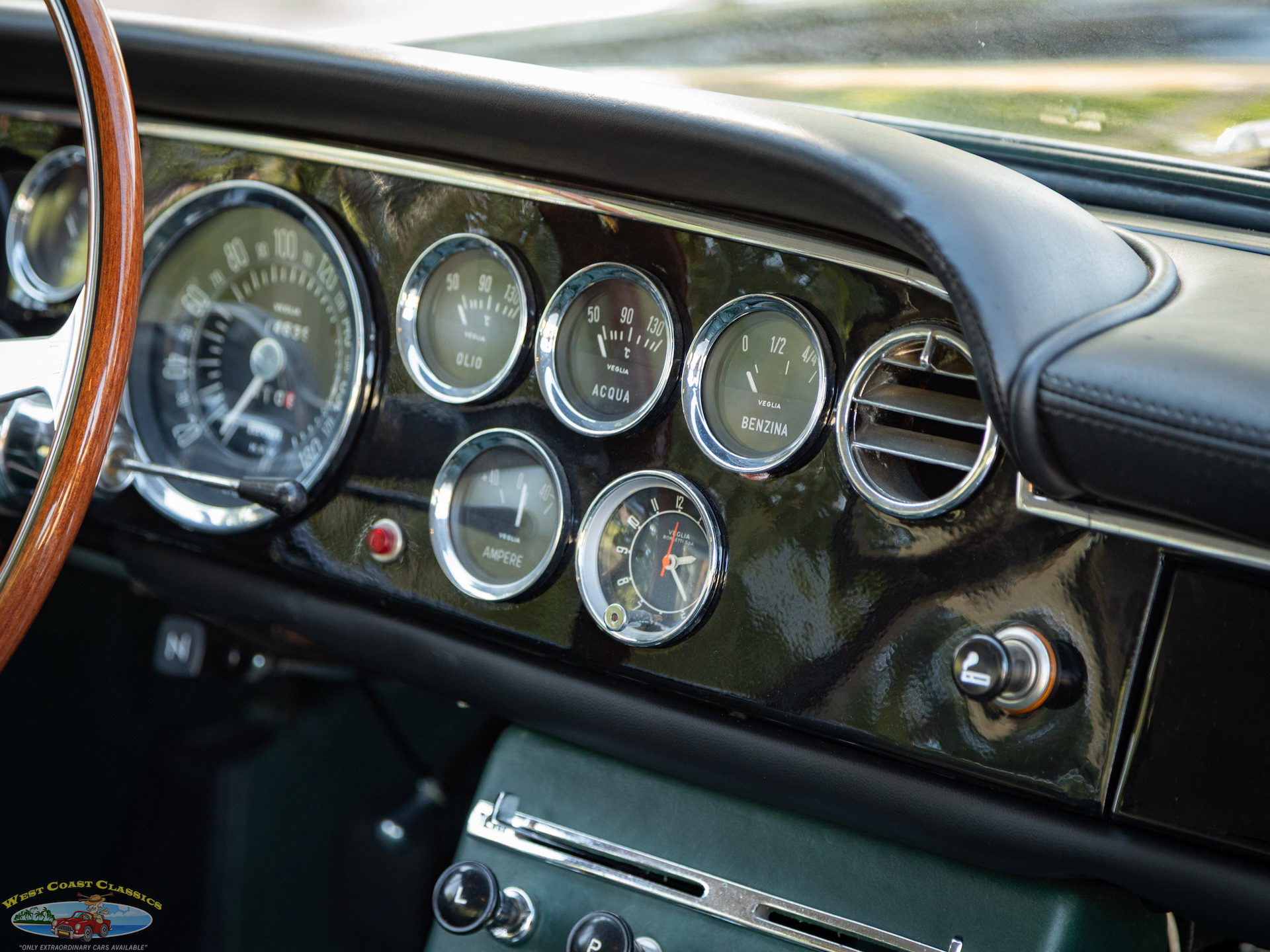
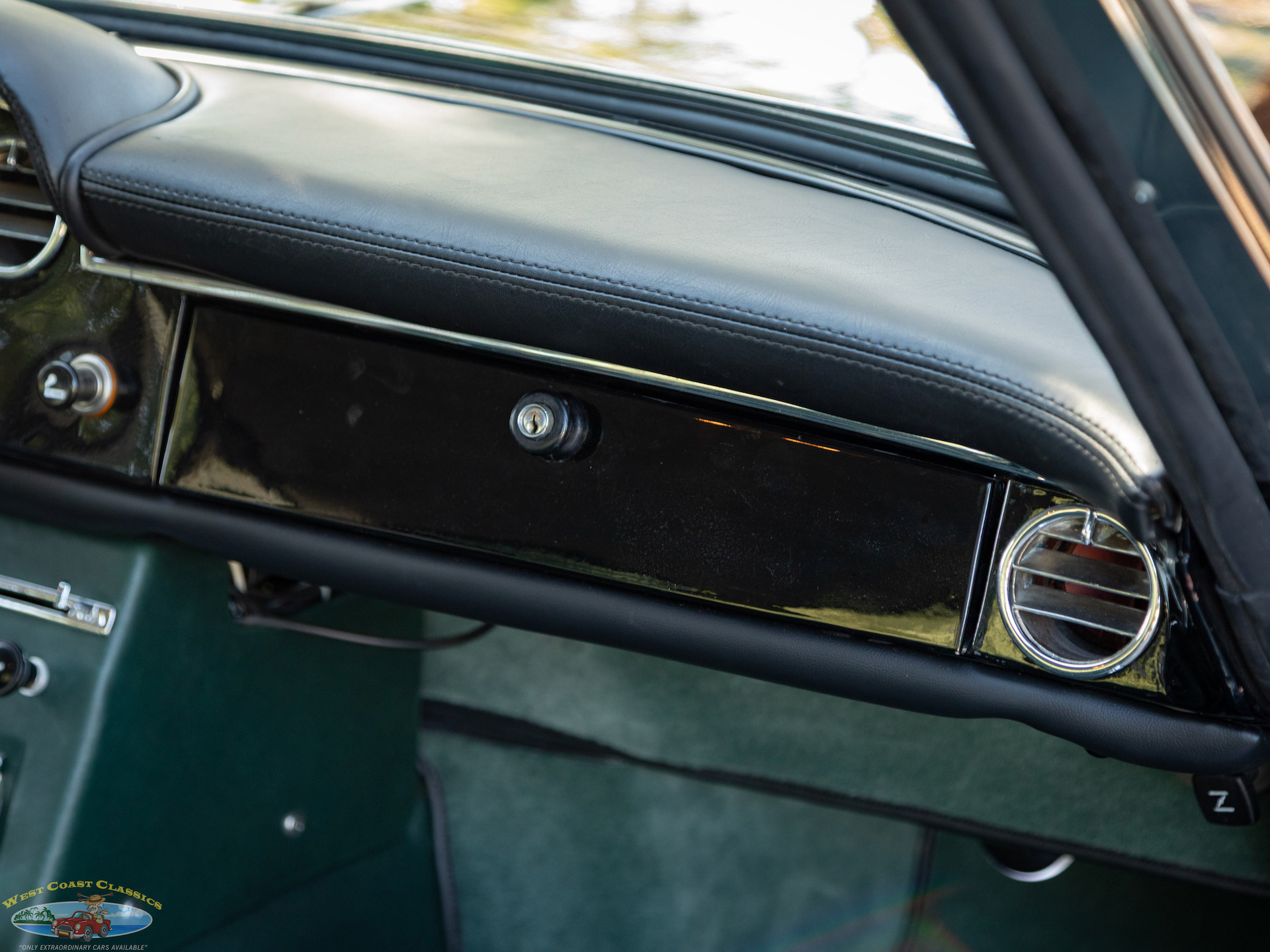
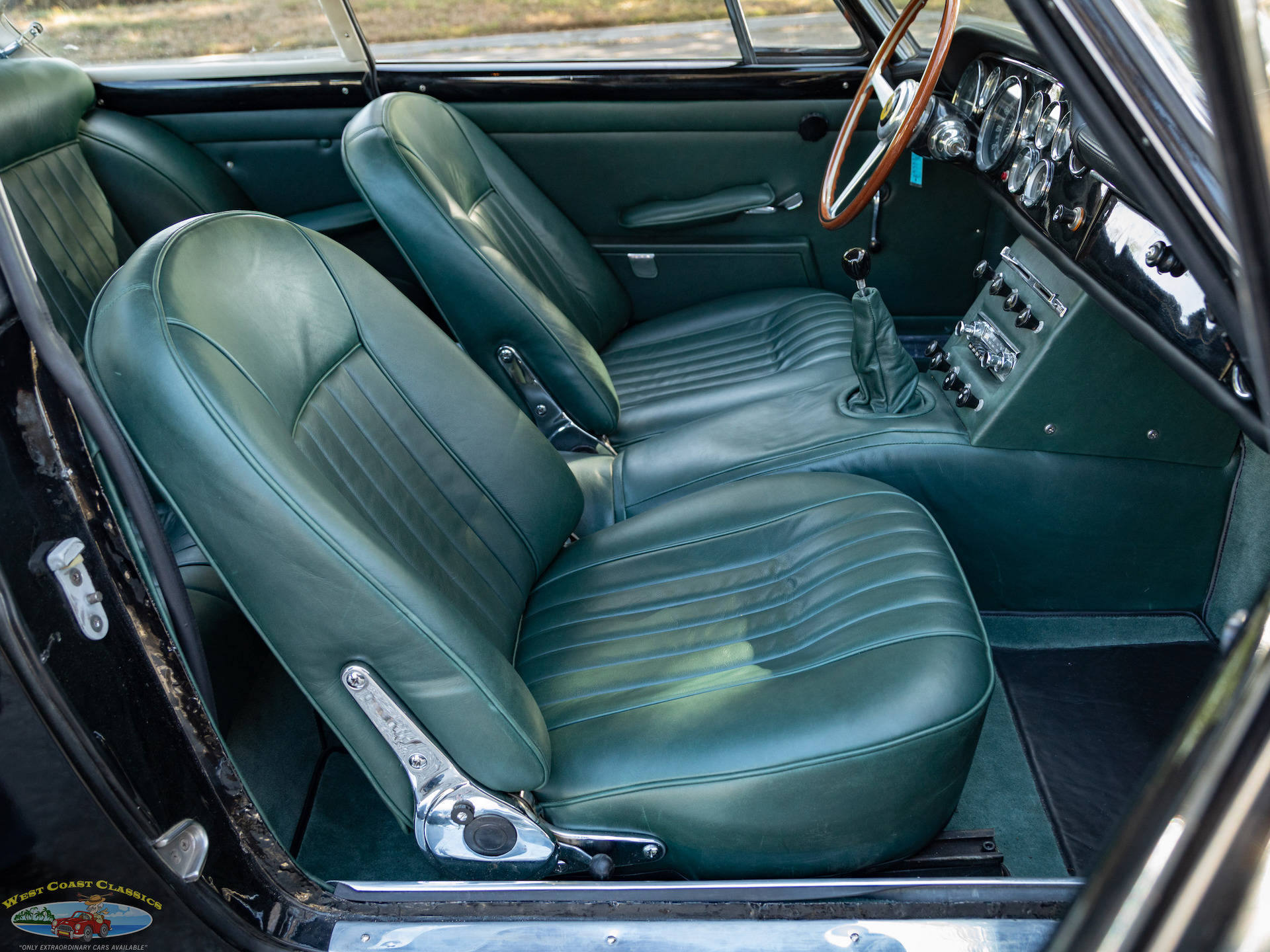
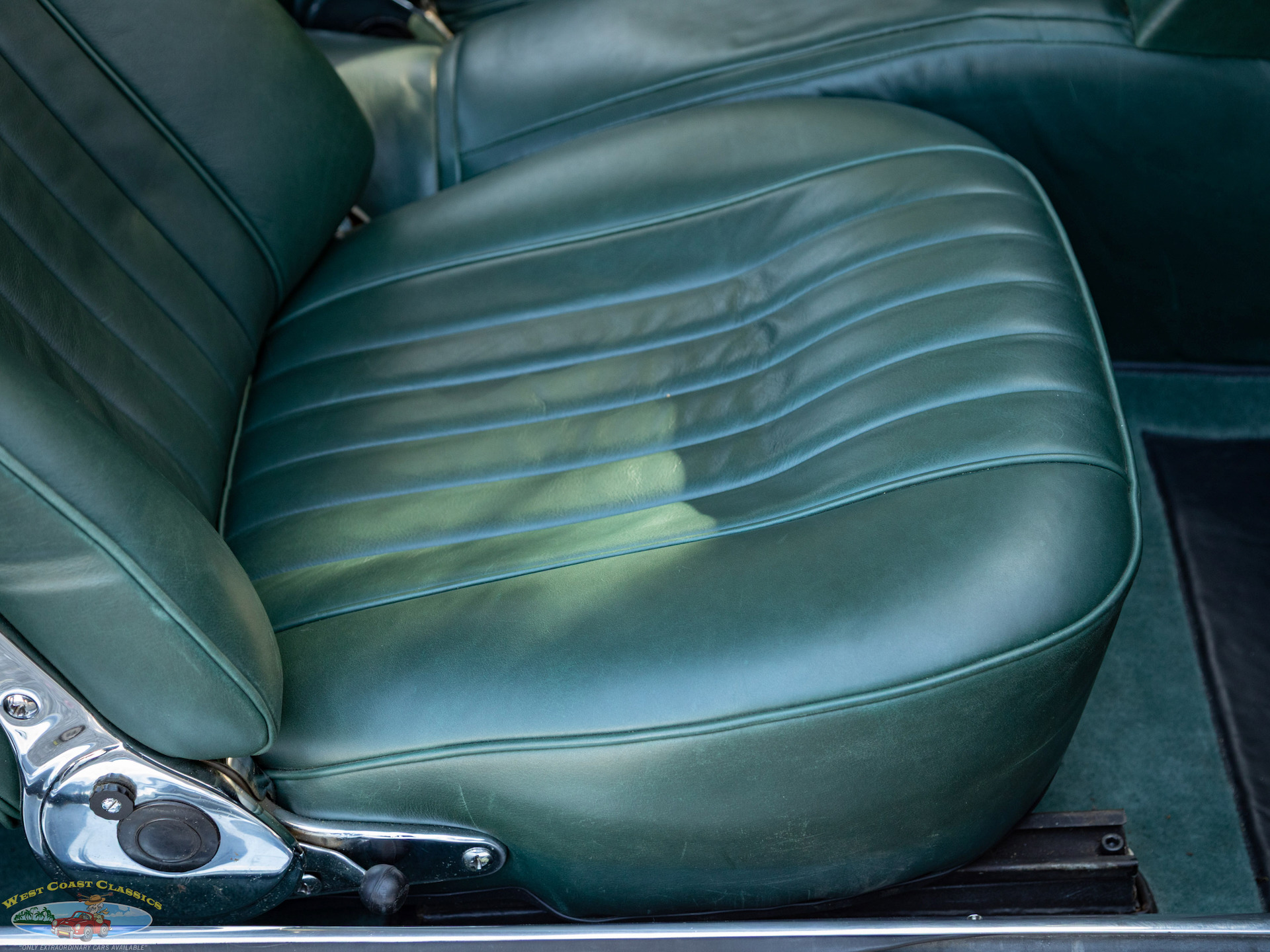
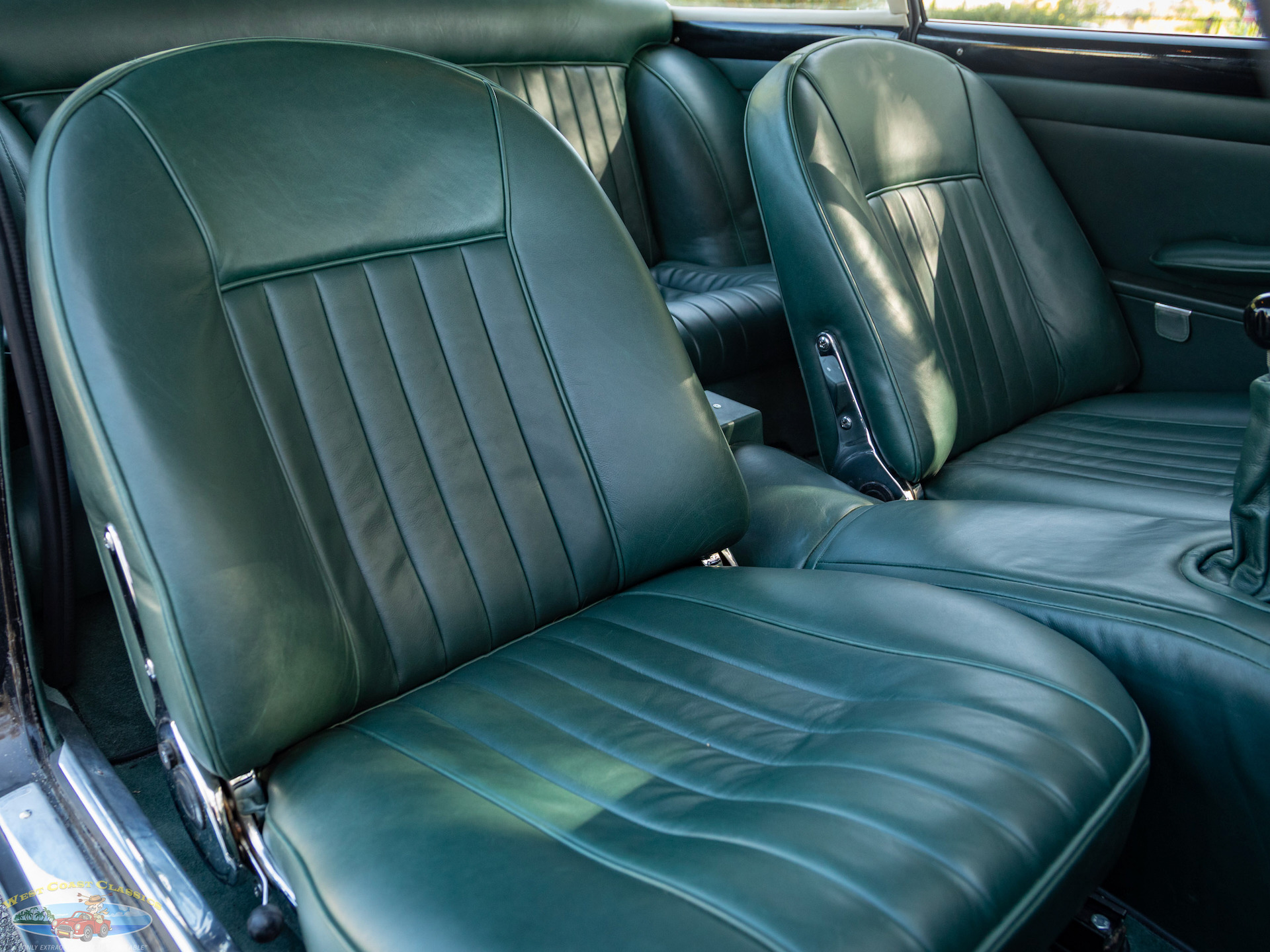
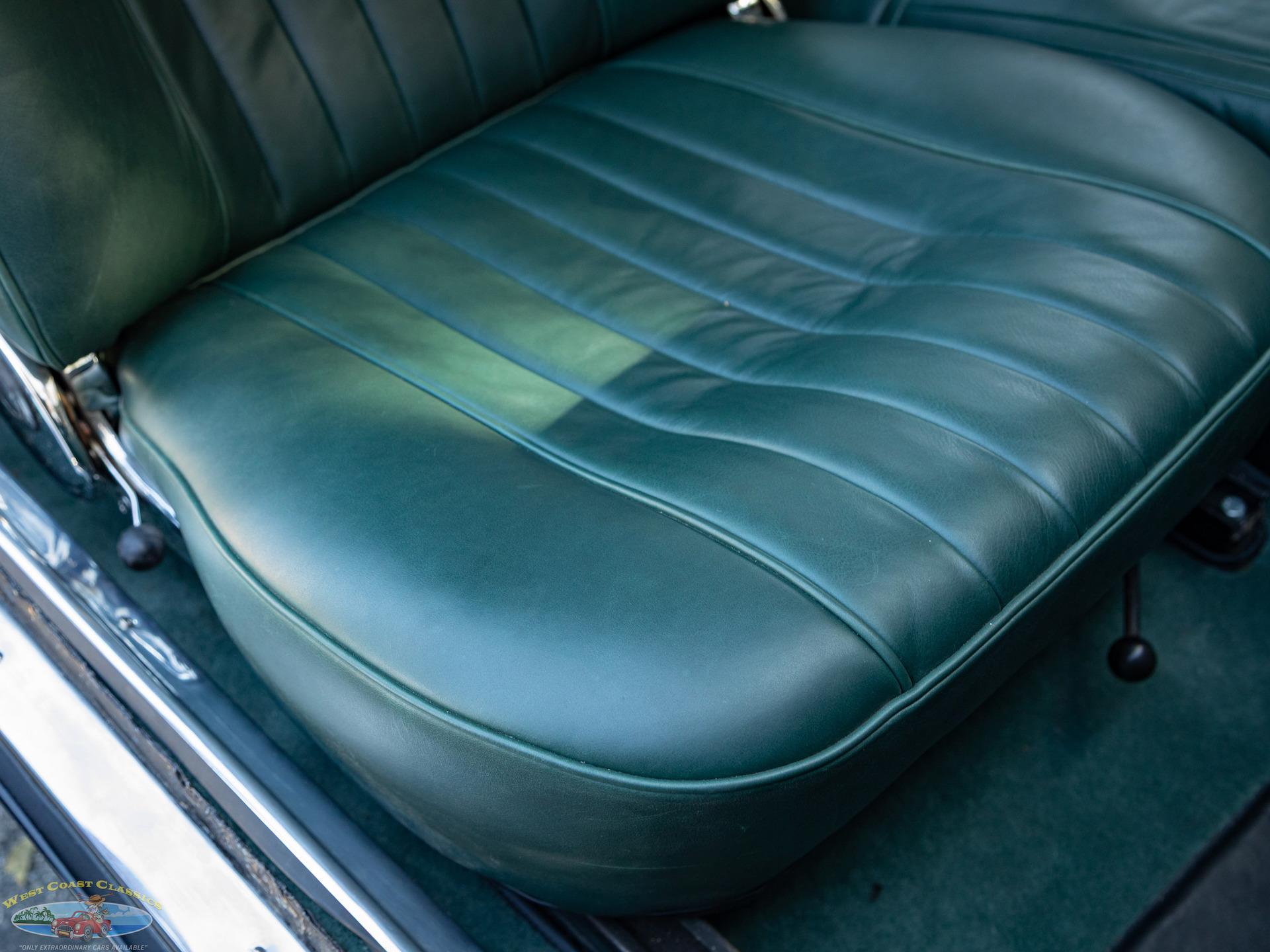
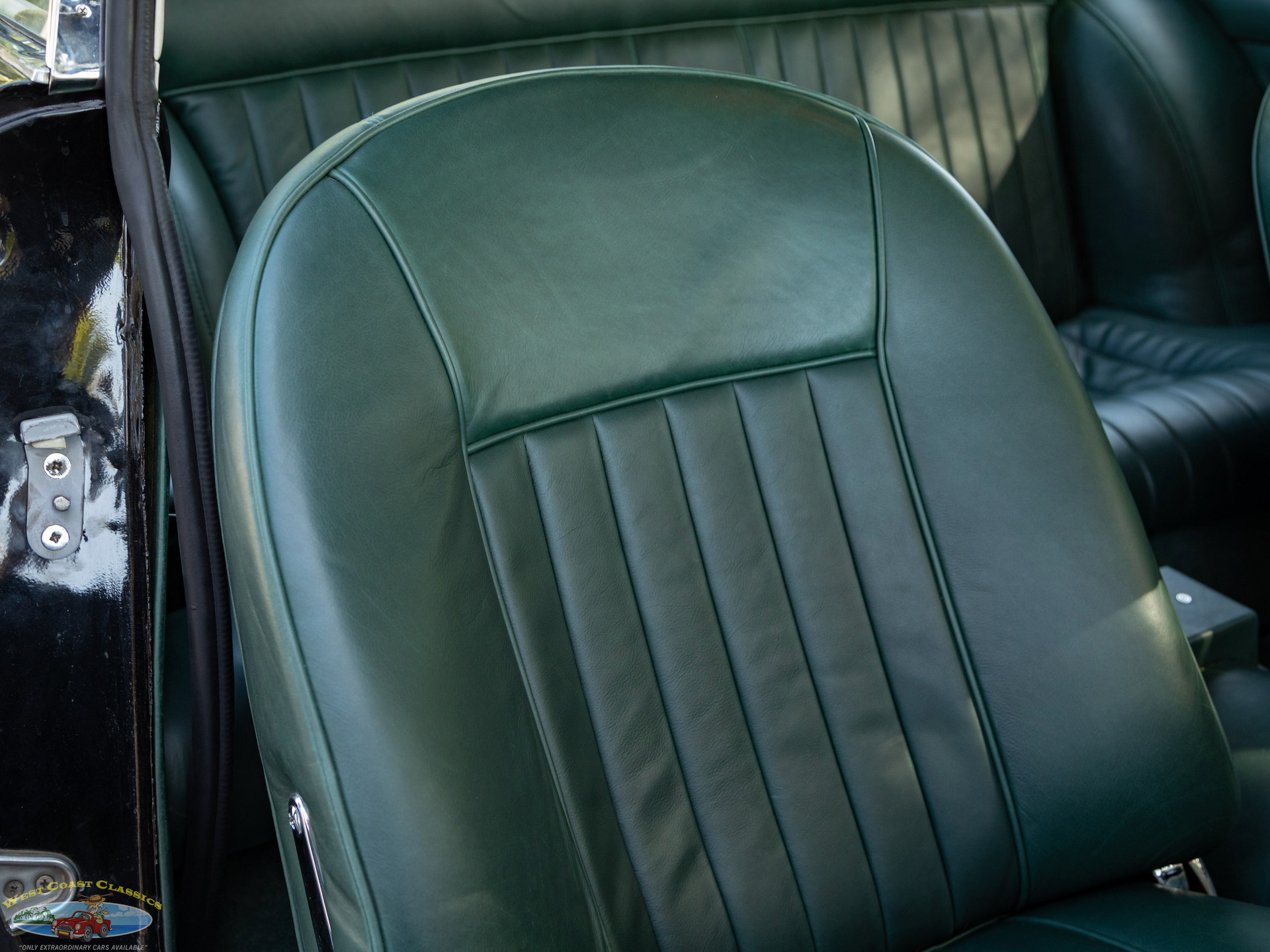
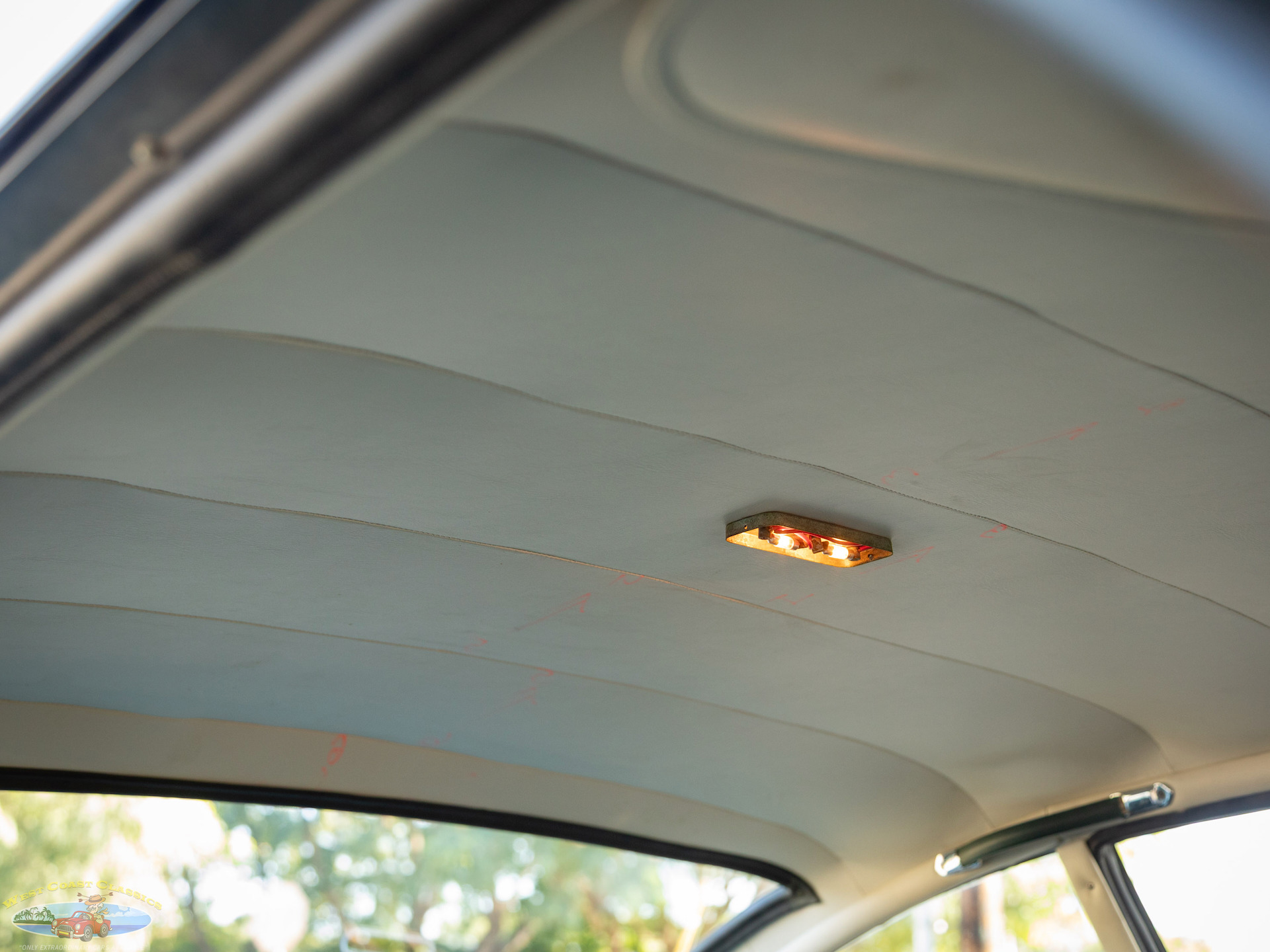
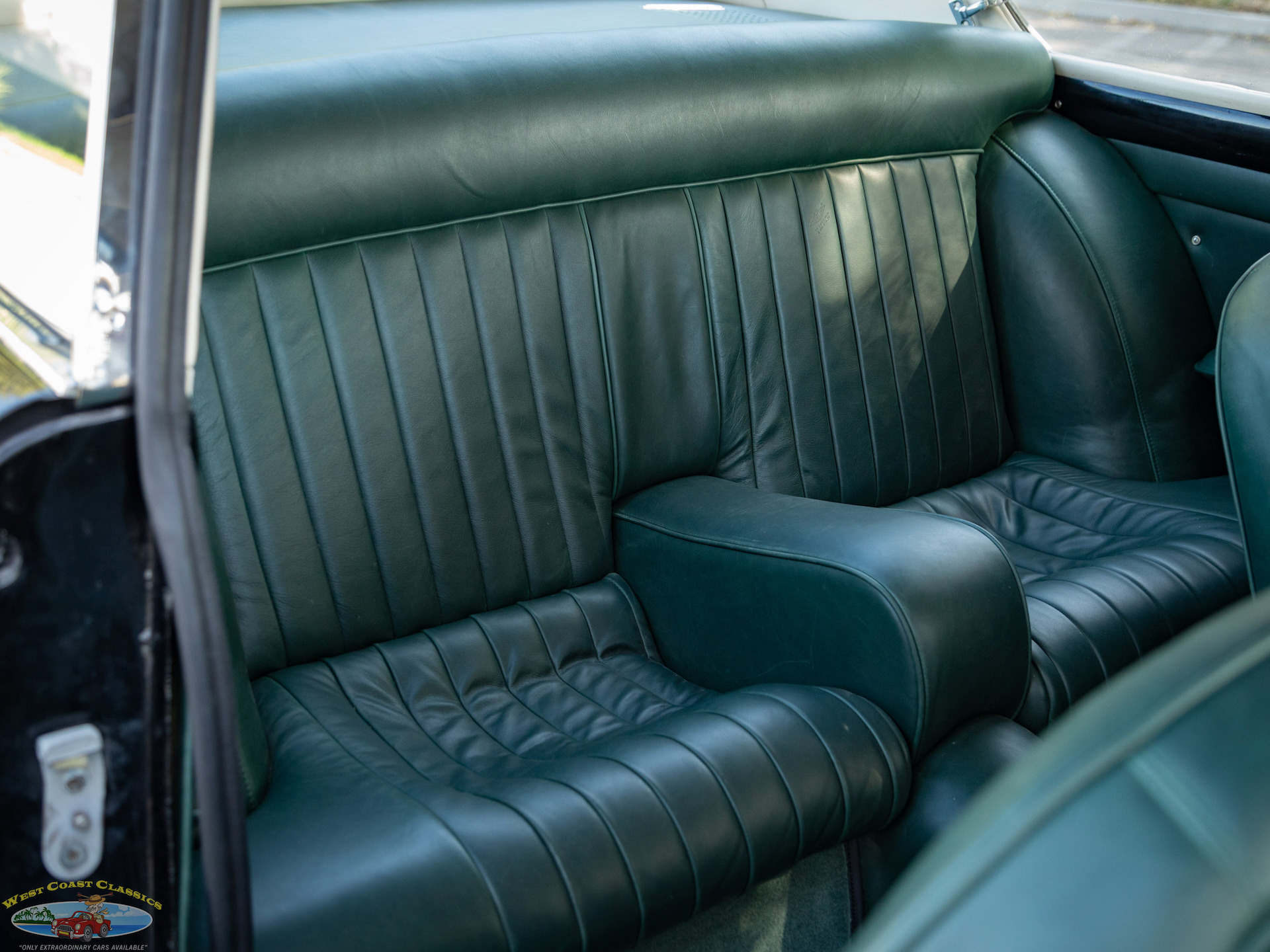
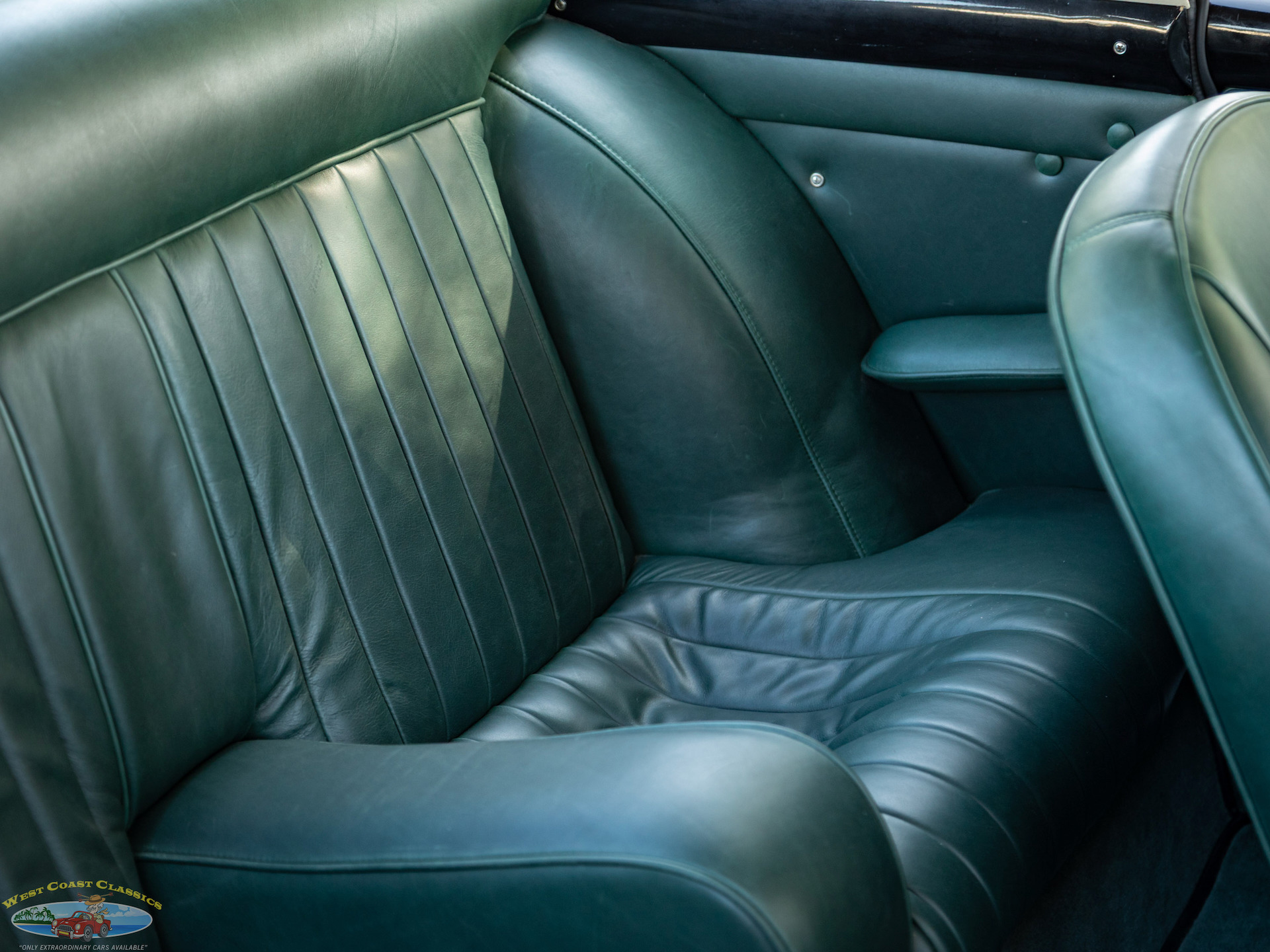
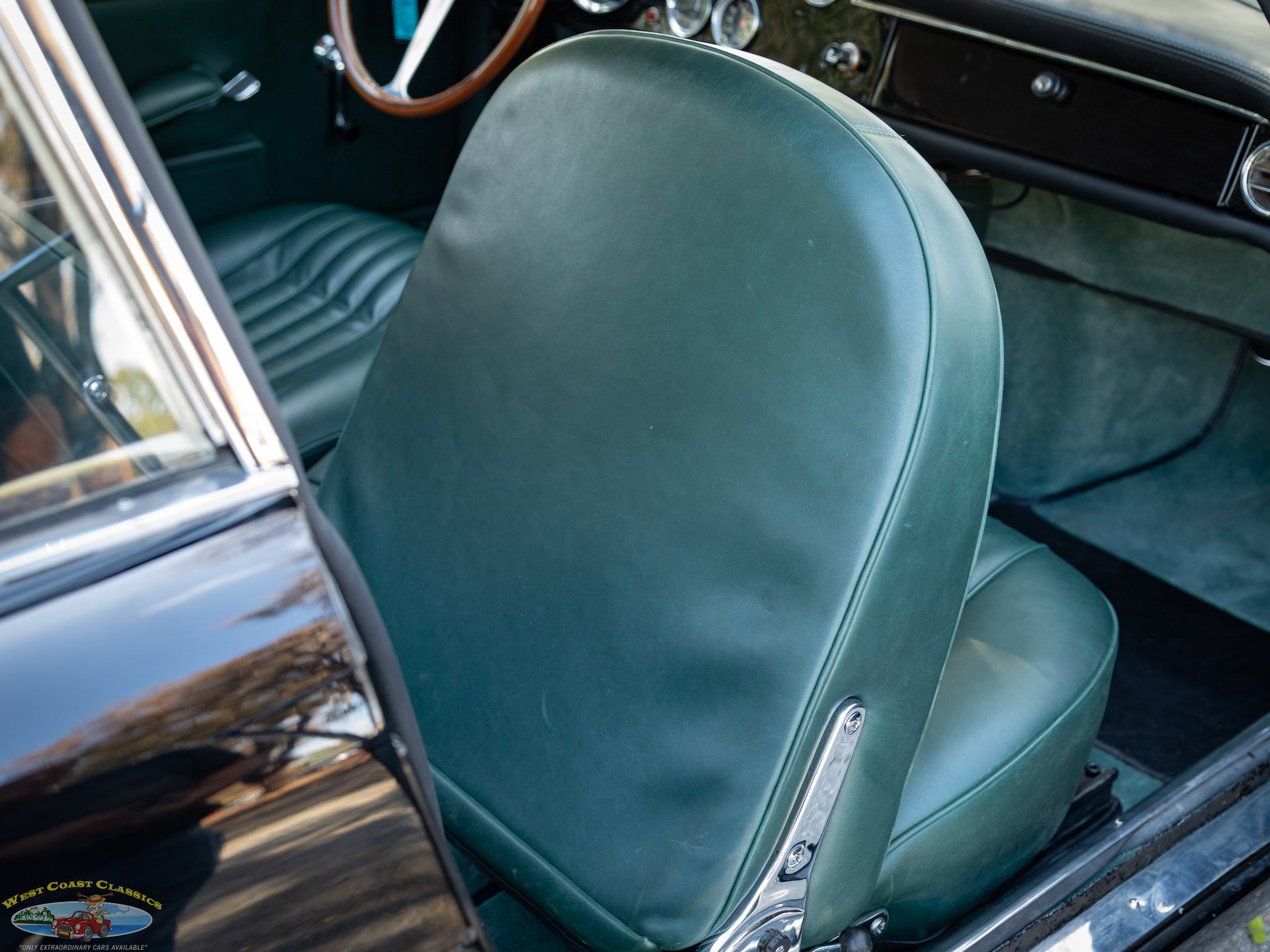
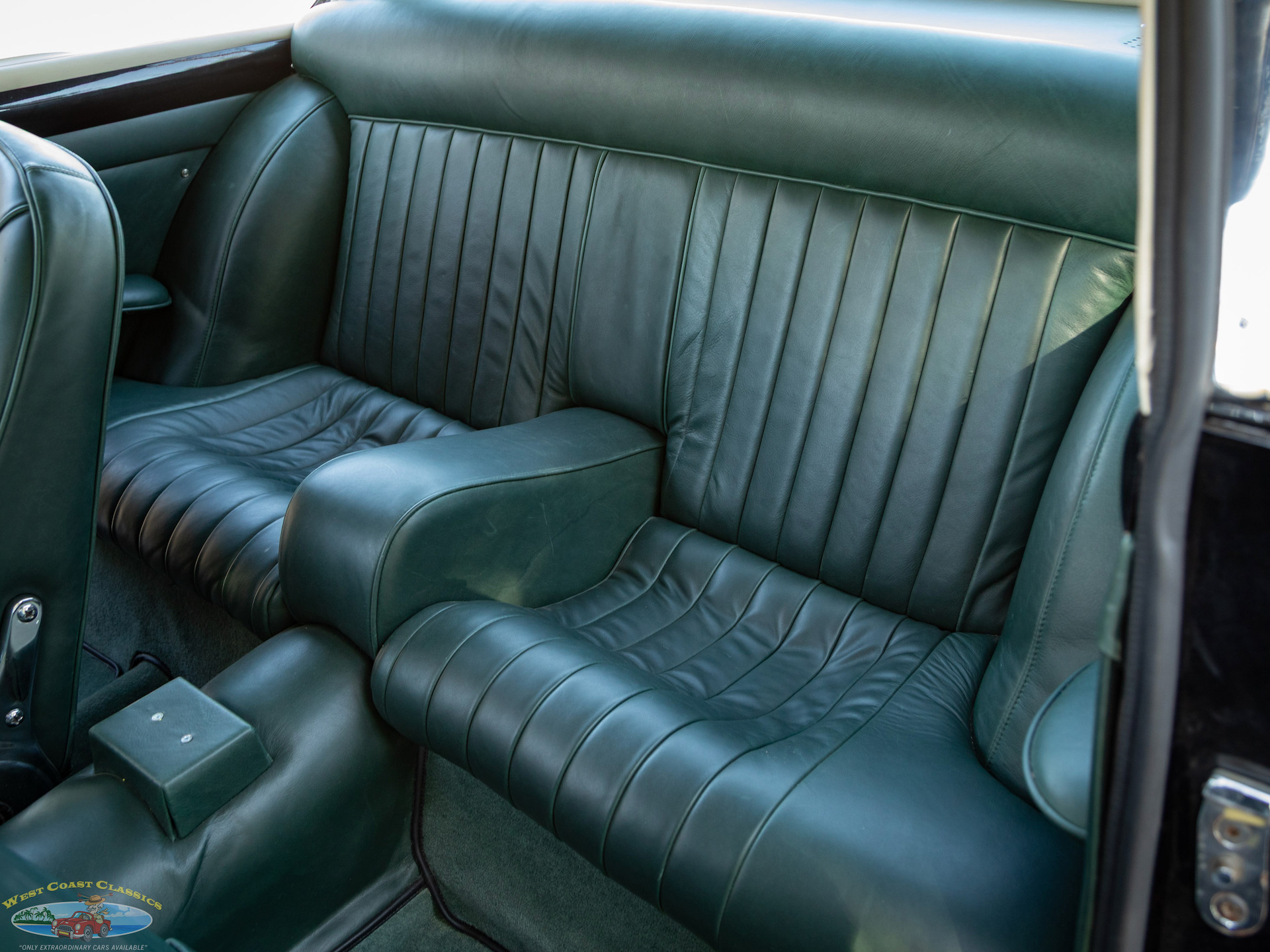
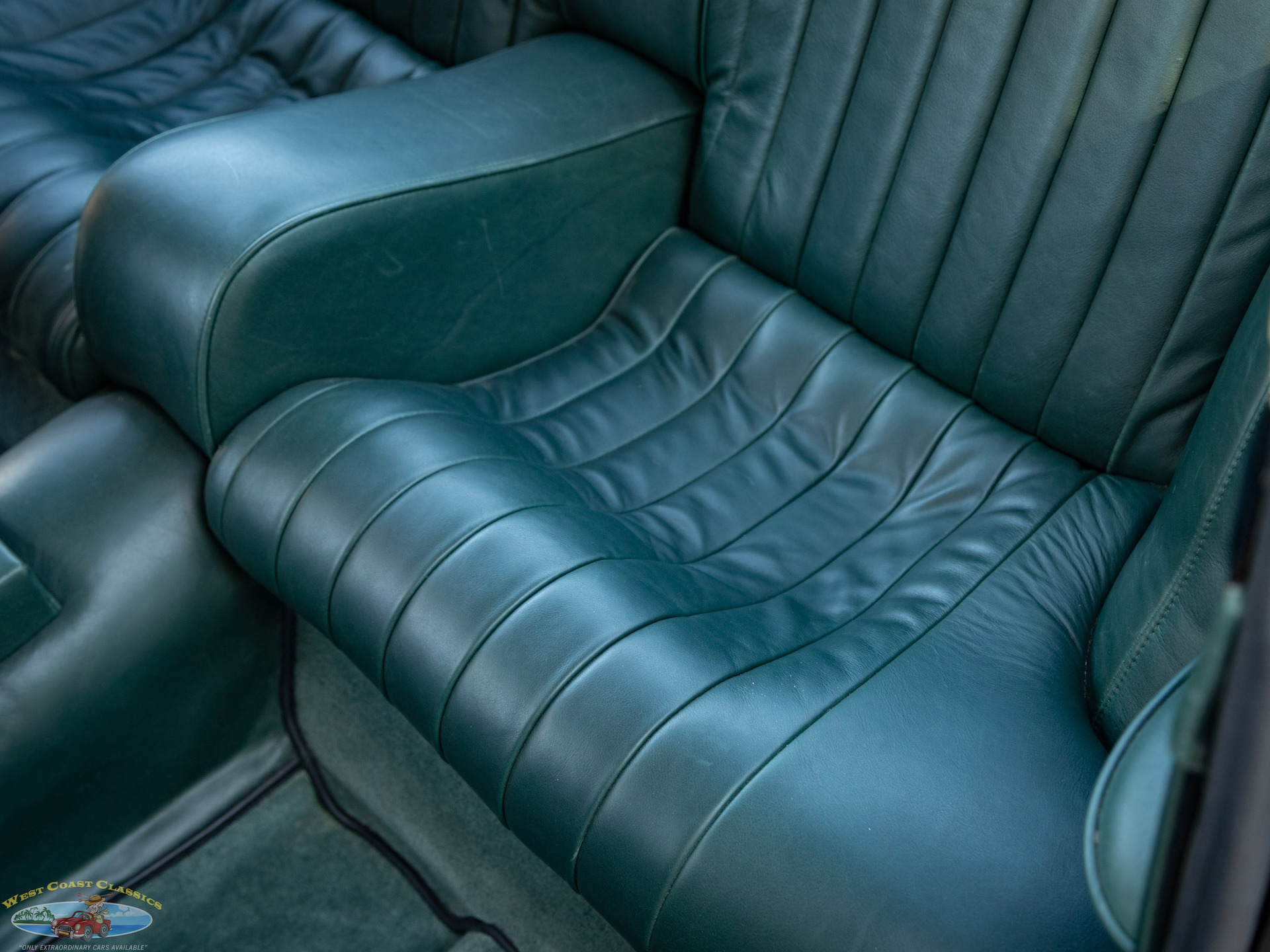
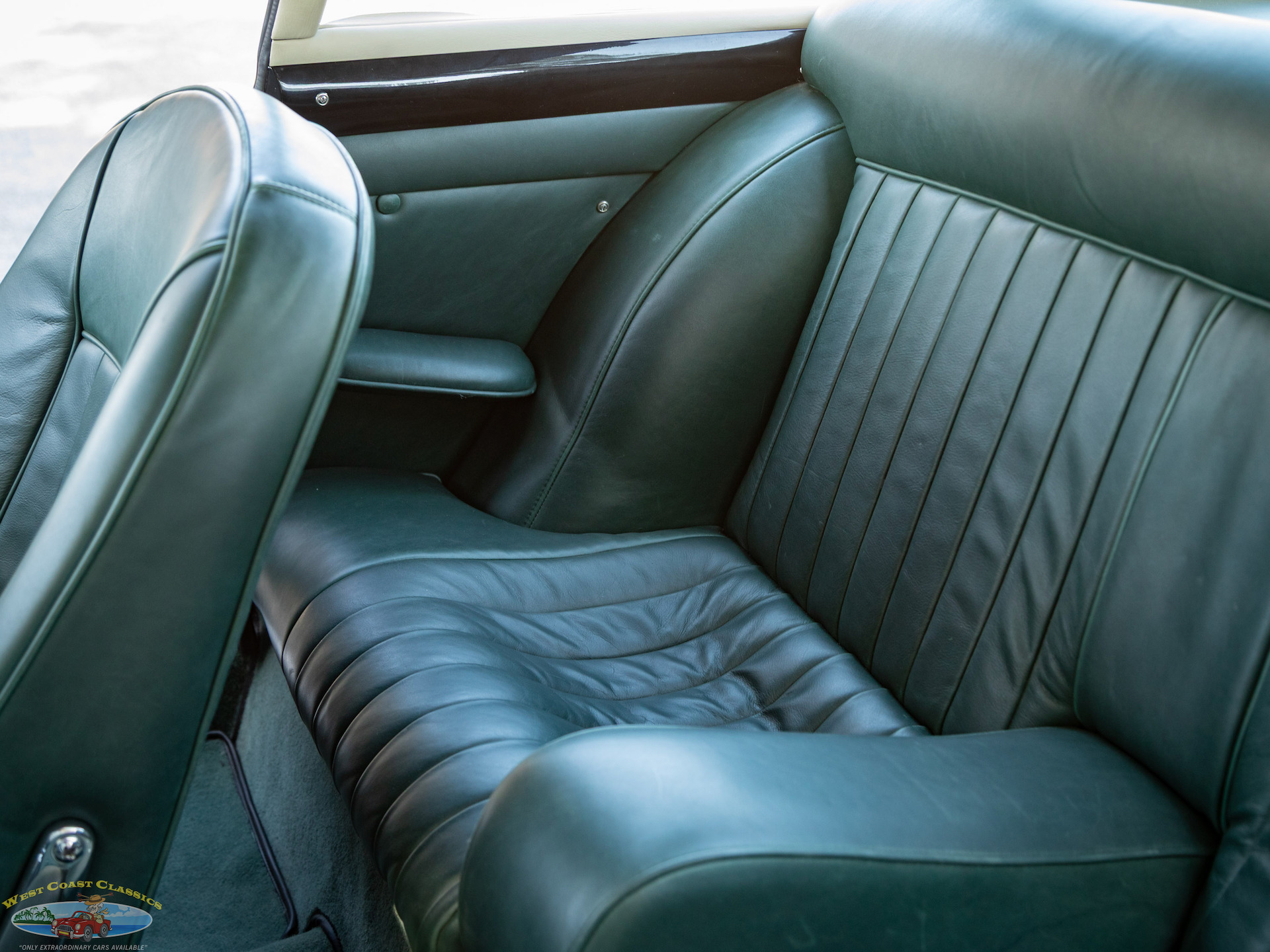
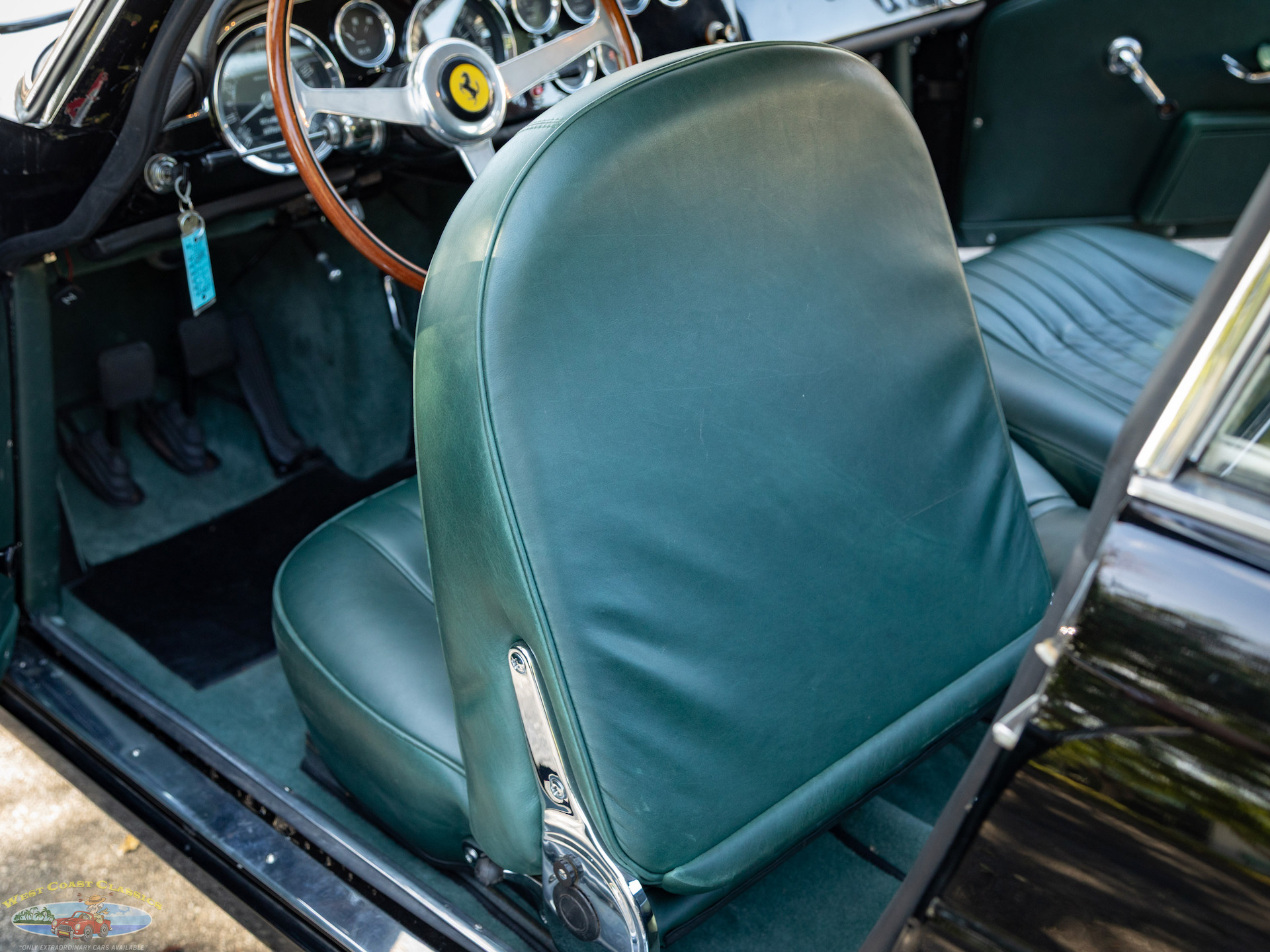
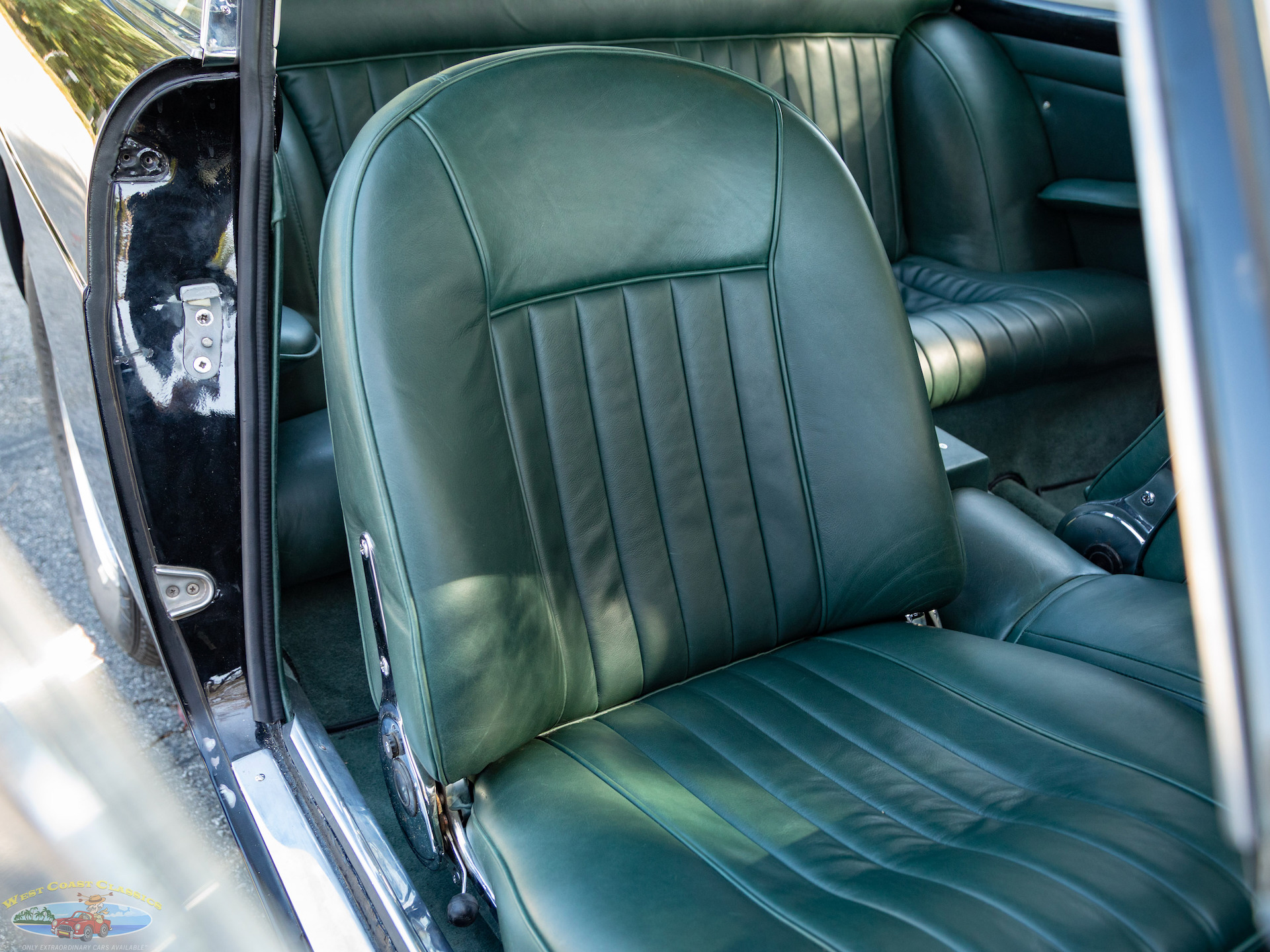
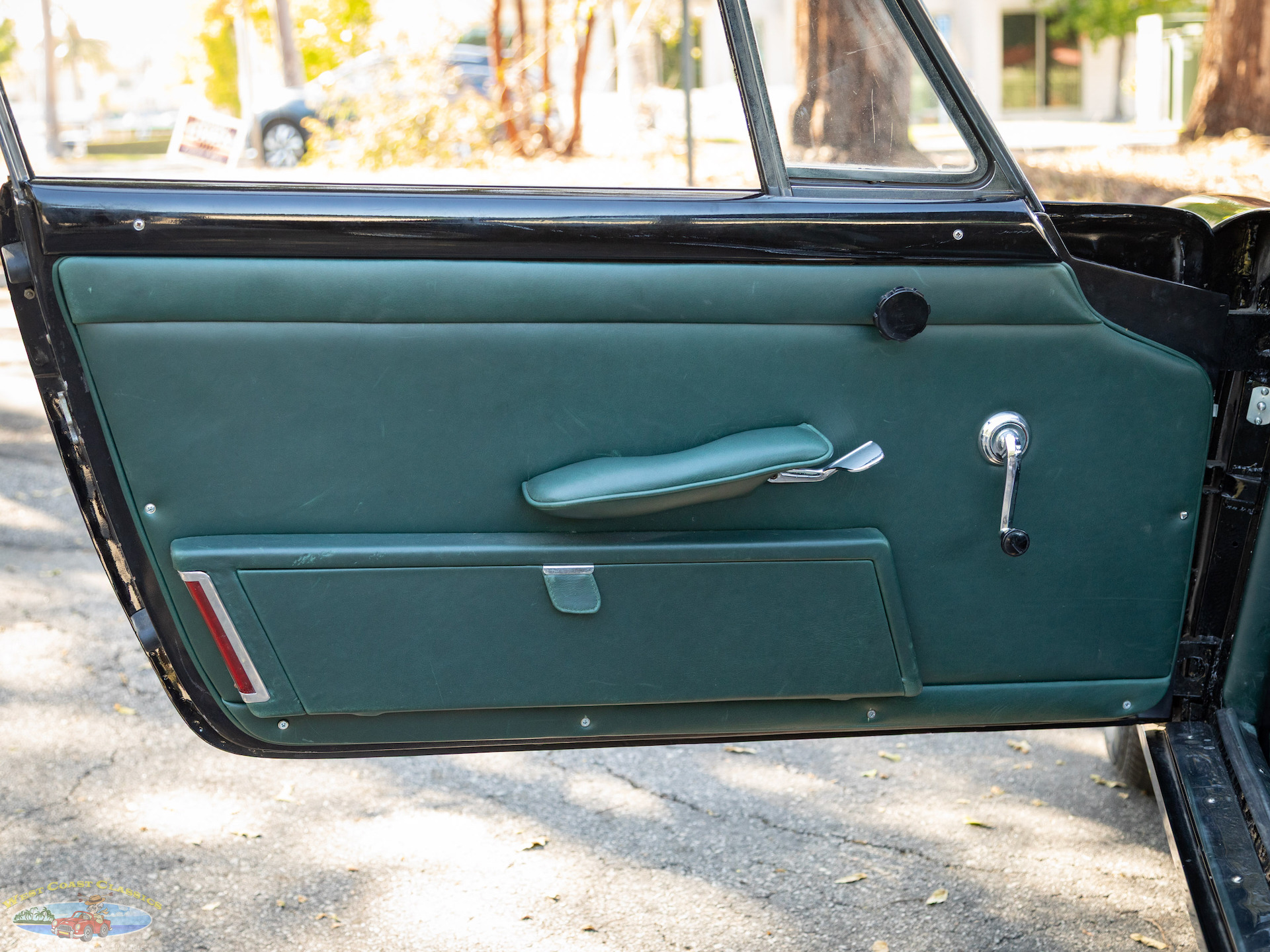
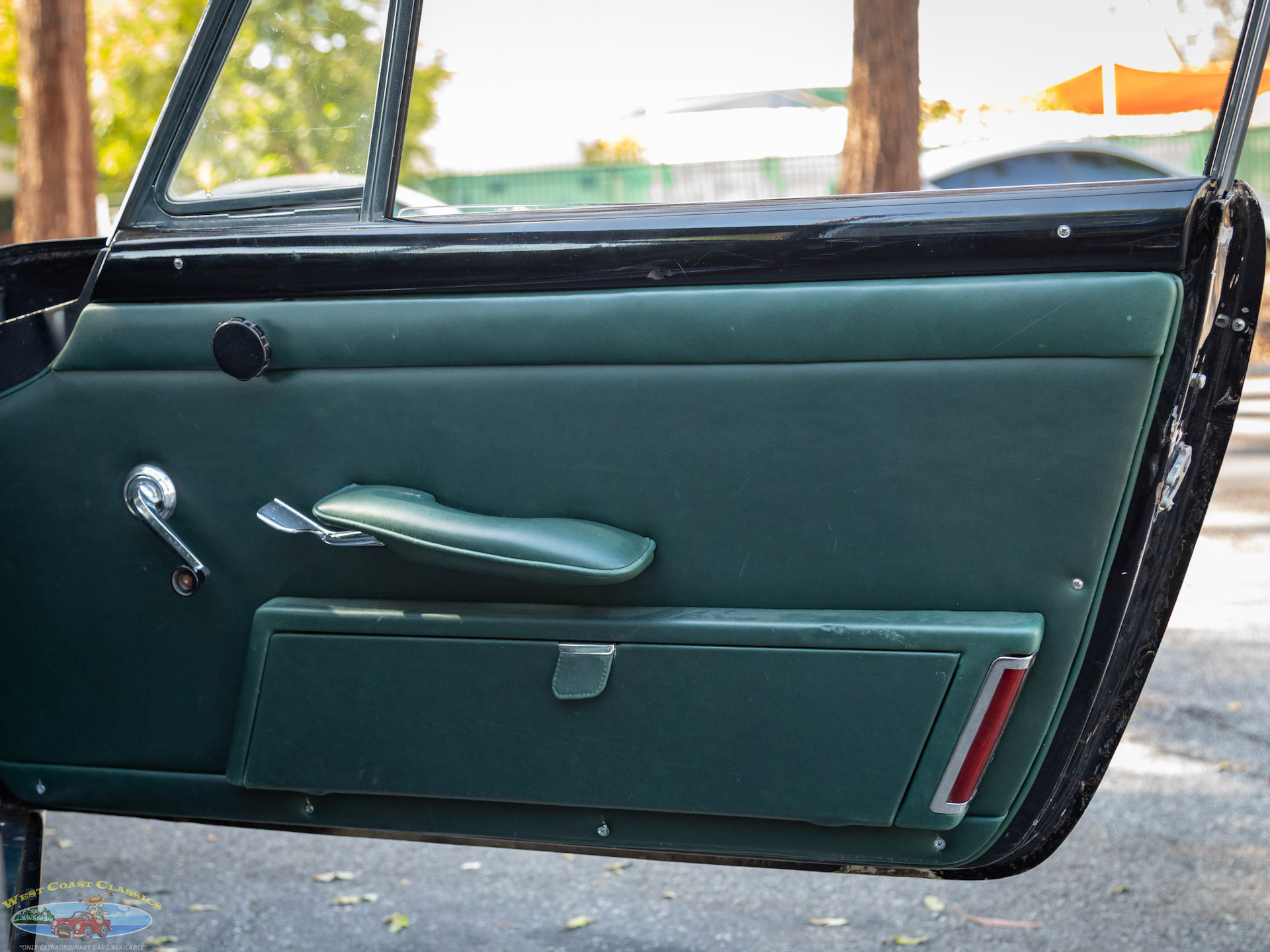
Ferrari's classic Pininfarina-designed four-seater grand tourer, featuring distinct Series III updates like relocated driving lights and updated taillights, authentic 2+2 layout with bucket-style front seats, a compact rear bench, leather upholstery, and a classic wooden steering wheel.
The 250 GTE 2+2 Series III had a production run spanning just 300 cars.
Factory Specifications & Original Colors:
Ferrari 250 GTE 2+2 Series III (Chassis 4221GT) was completed by the Maranello factory in early 1963.
While it is one of the 300 Series III models built, exact private build-sheet specifics for this specific hull number—such as its original delivered paint code and interior hide—remain tightly held in private historical archives or within Ferrari's own Classiche database.
Typically, business-oriented 2+2 models of this era left the factory in classic period tones like Grigio Argento (Silver Grey), Grigio Fumo (Smoke Grey), Blu Chiaro (Light Blue), or Nero (Black).
Historical Ownership Registry:
Because chassis 4221GT has spent decades moving quietly through private collections rather than headlining prominent public auction events, its complete step-by-step chain of custody is not a matter of open public record.
Original Factory Build Specifications:
Chassis Number: 4221GT
Model Type: 250 GTE 2+2 (Series III)
Chassis Type: 508E steel tubular frame
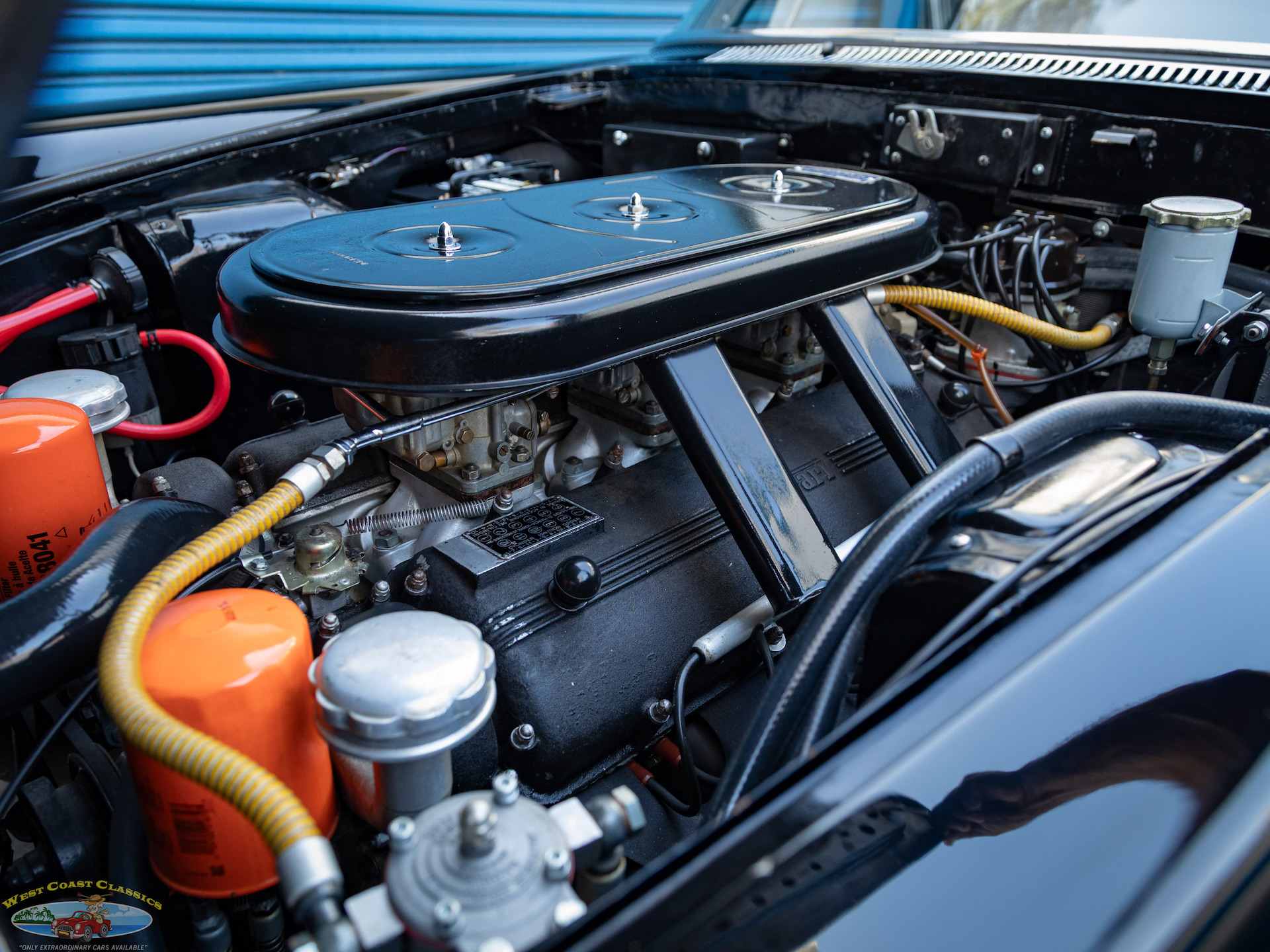
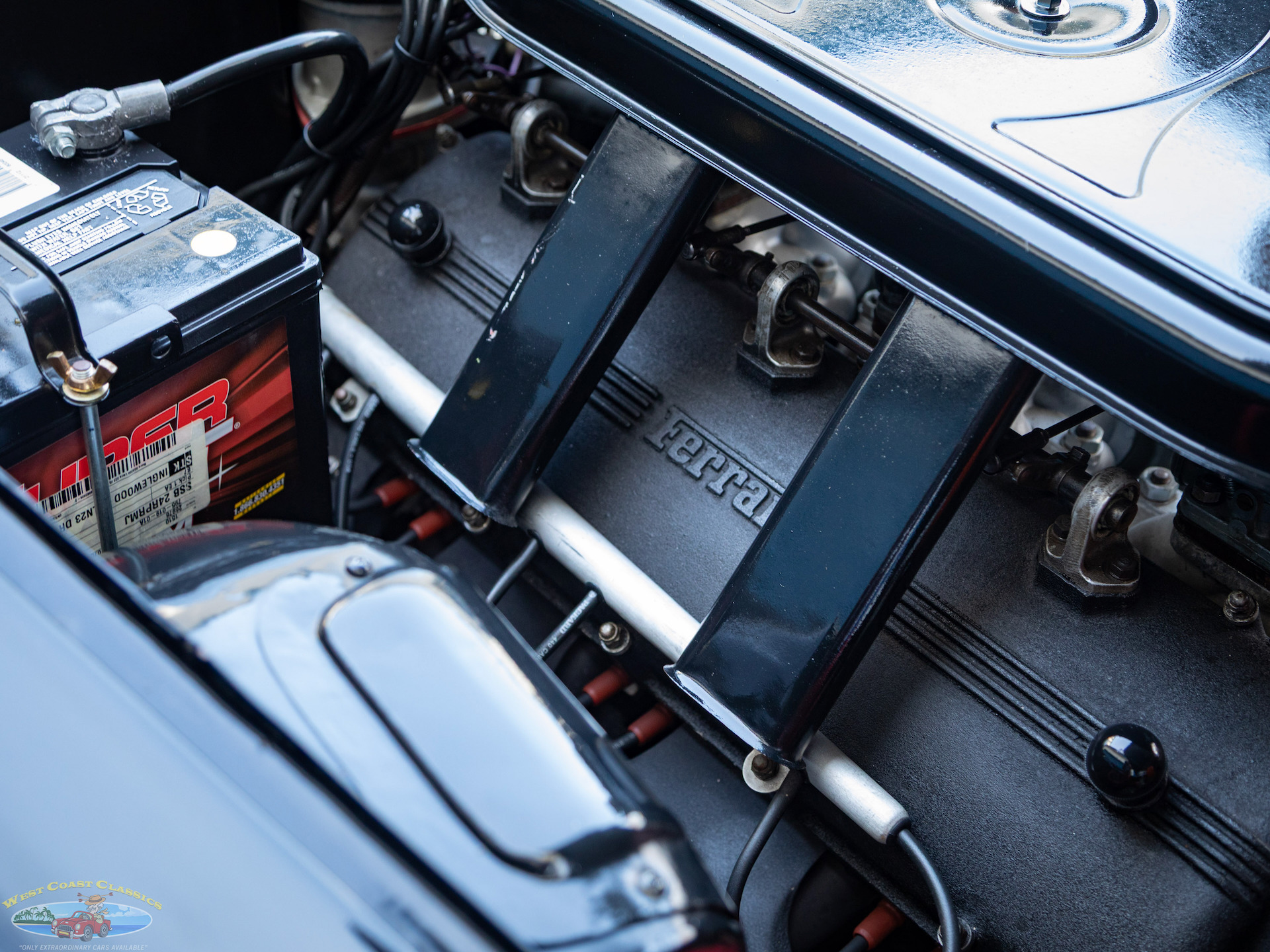
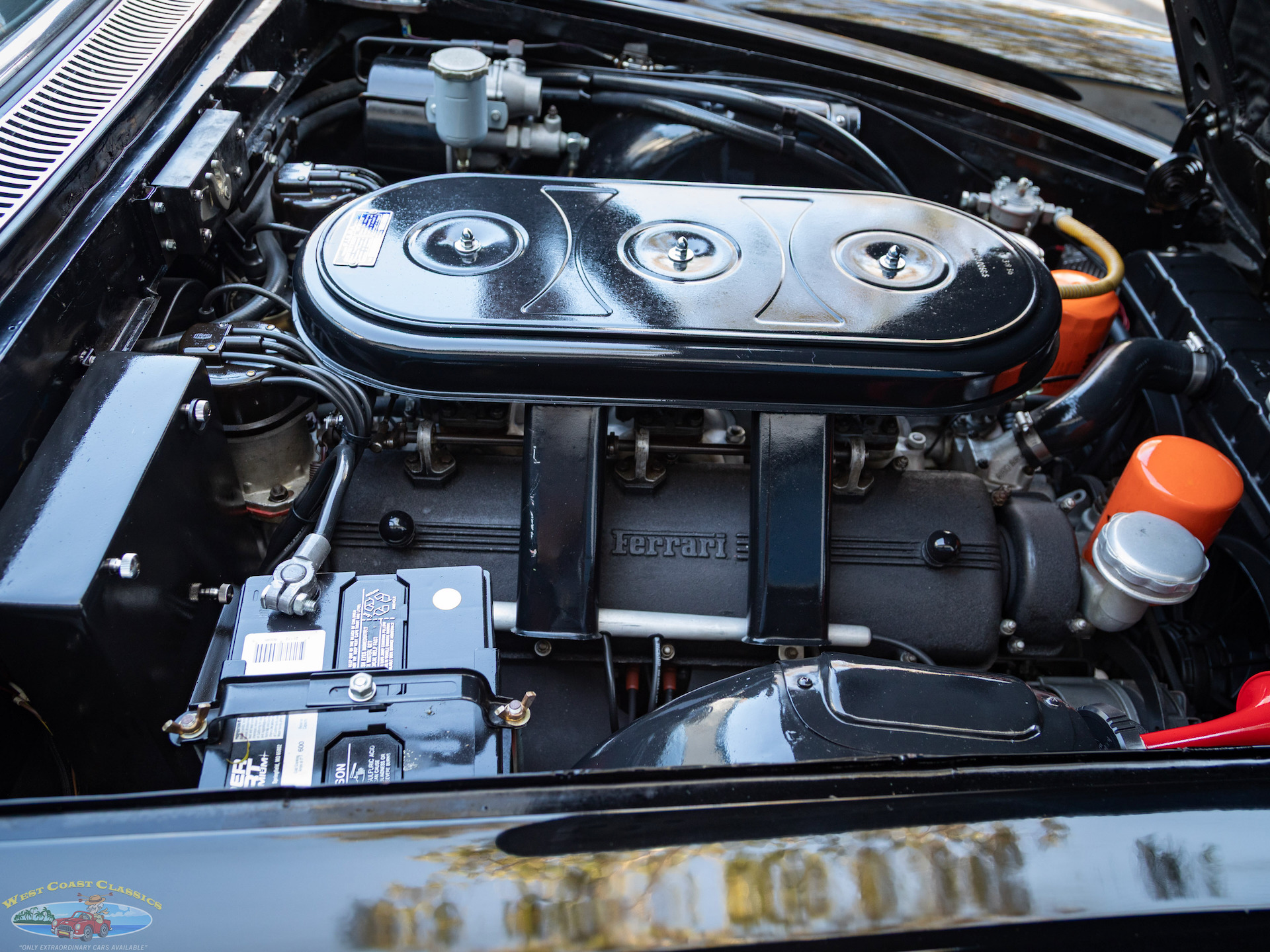
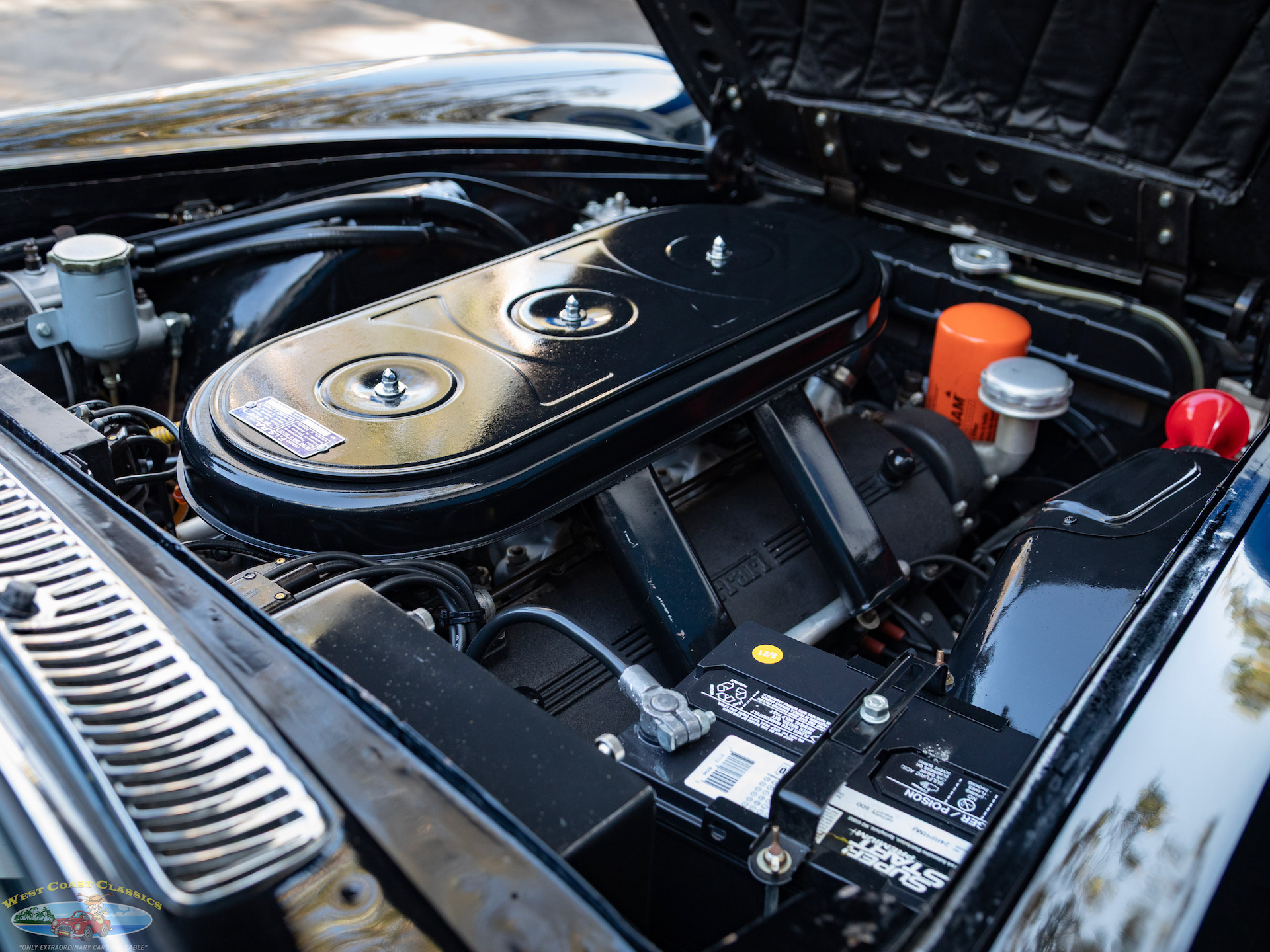
Engine Type: 3.0-liter Tipo 128/F Colombo V12 engine
Historical Registry & Documentation:
According to the Barchetta Ferrari Serial Number Registry 4221GT marks an important production milestone as one of the very first cars cataloged in Part II of the Series III production sequence.
Unlike several other 250 GTE chassis numbers nearby in the registry that were stripped or rebodied into GTO or Testa Rossa replicas later in life, 4221GT is tracked historically as an authentic, original-bodied Series III configuration.
Factory Build Specifications for 4221 GT:
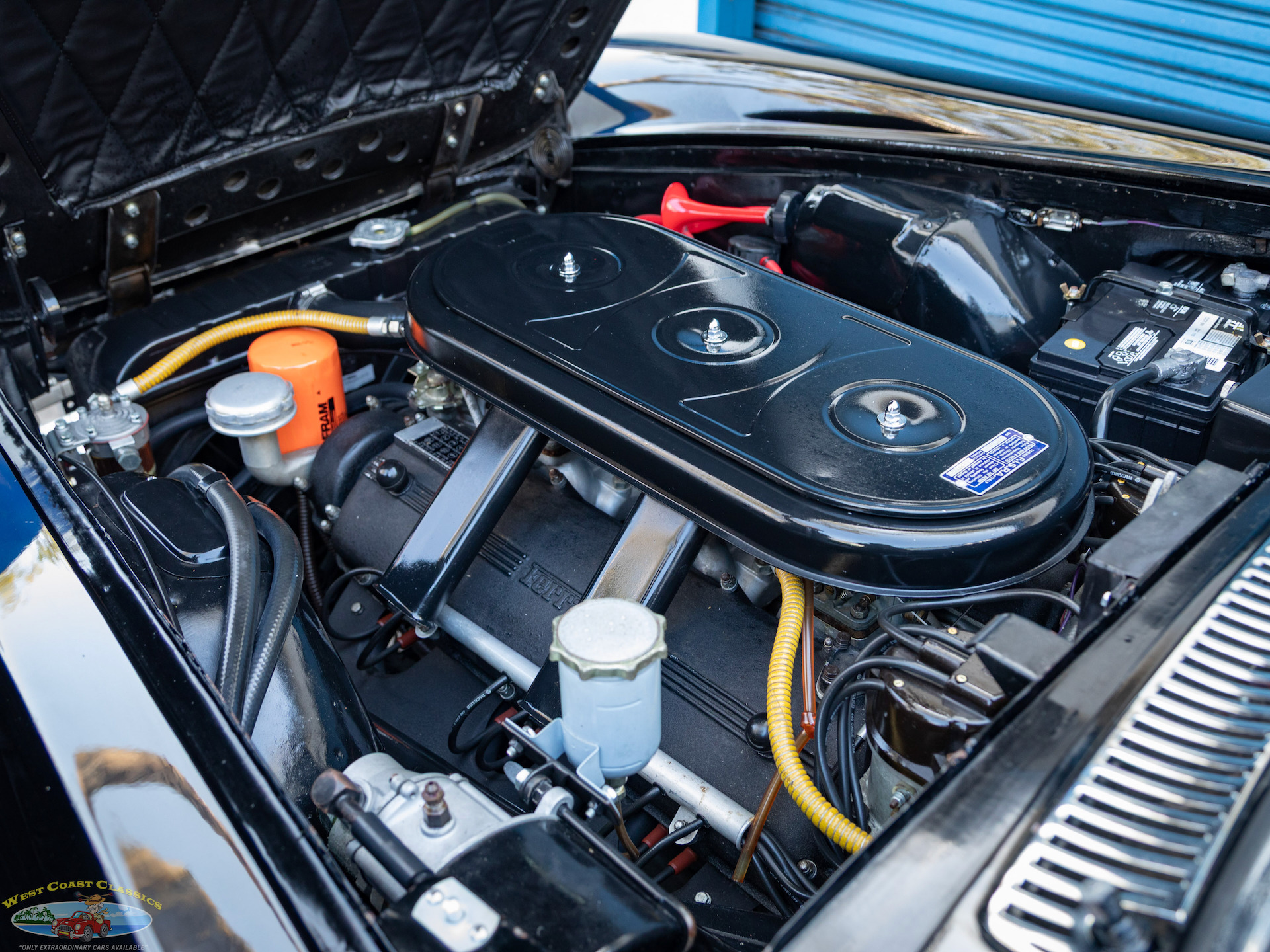
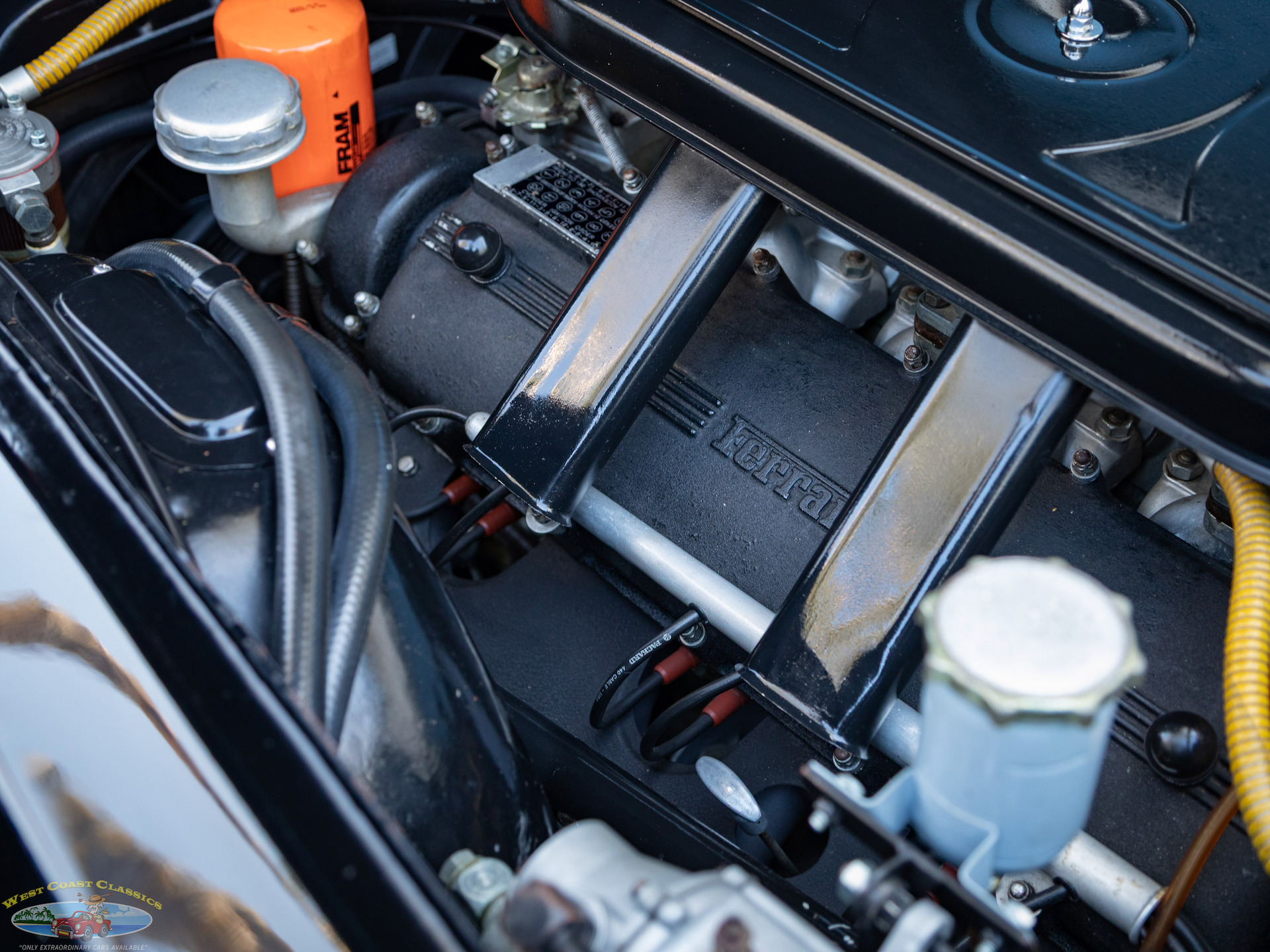
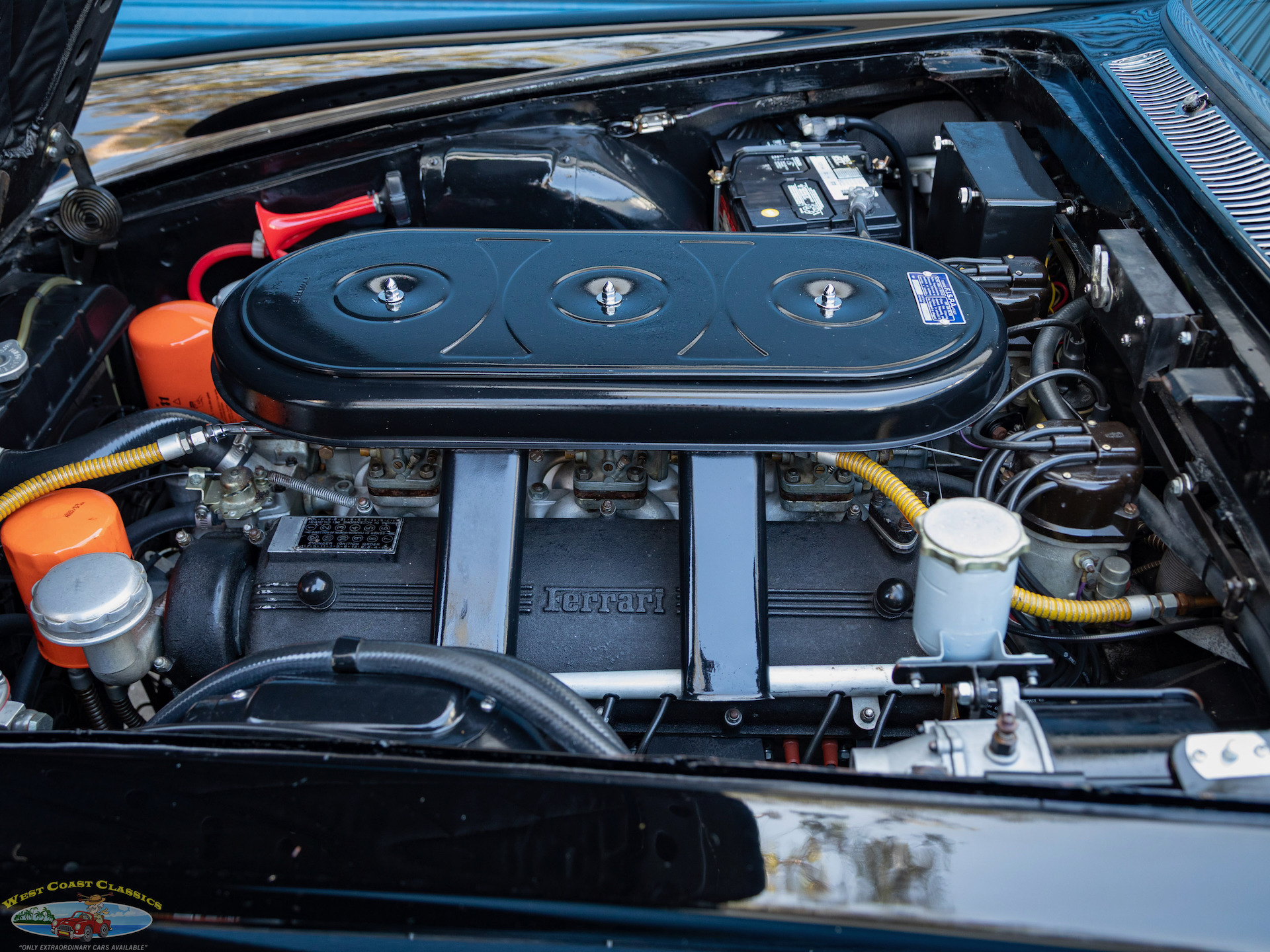
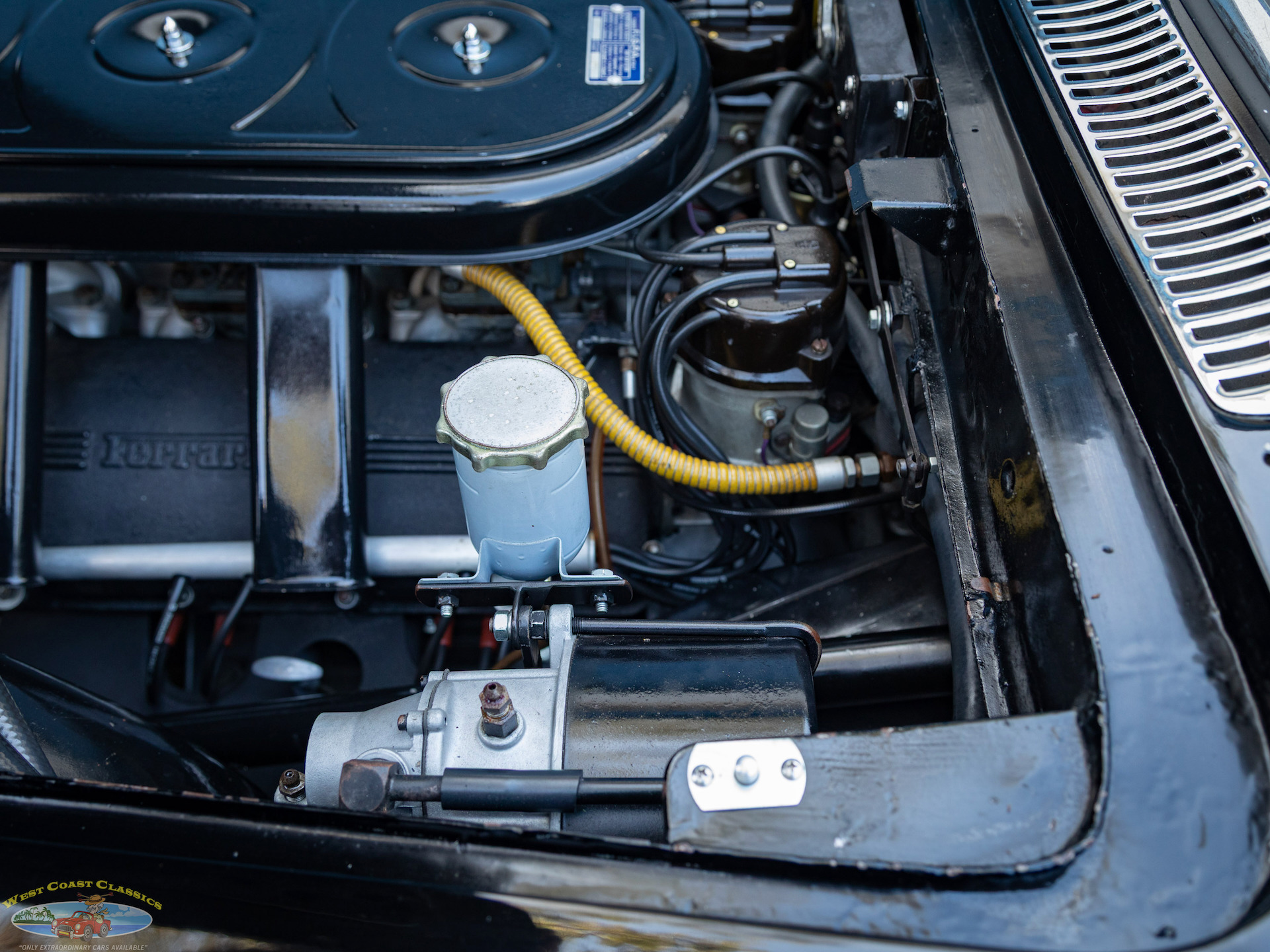
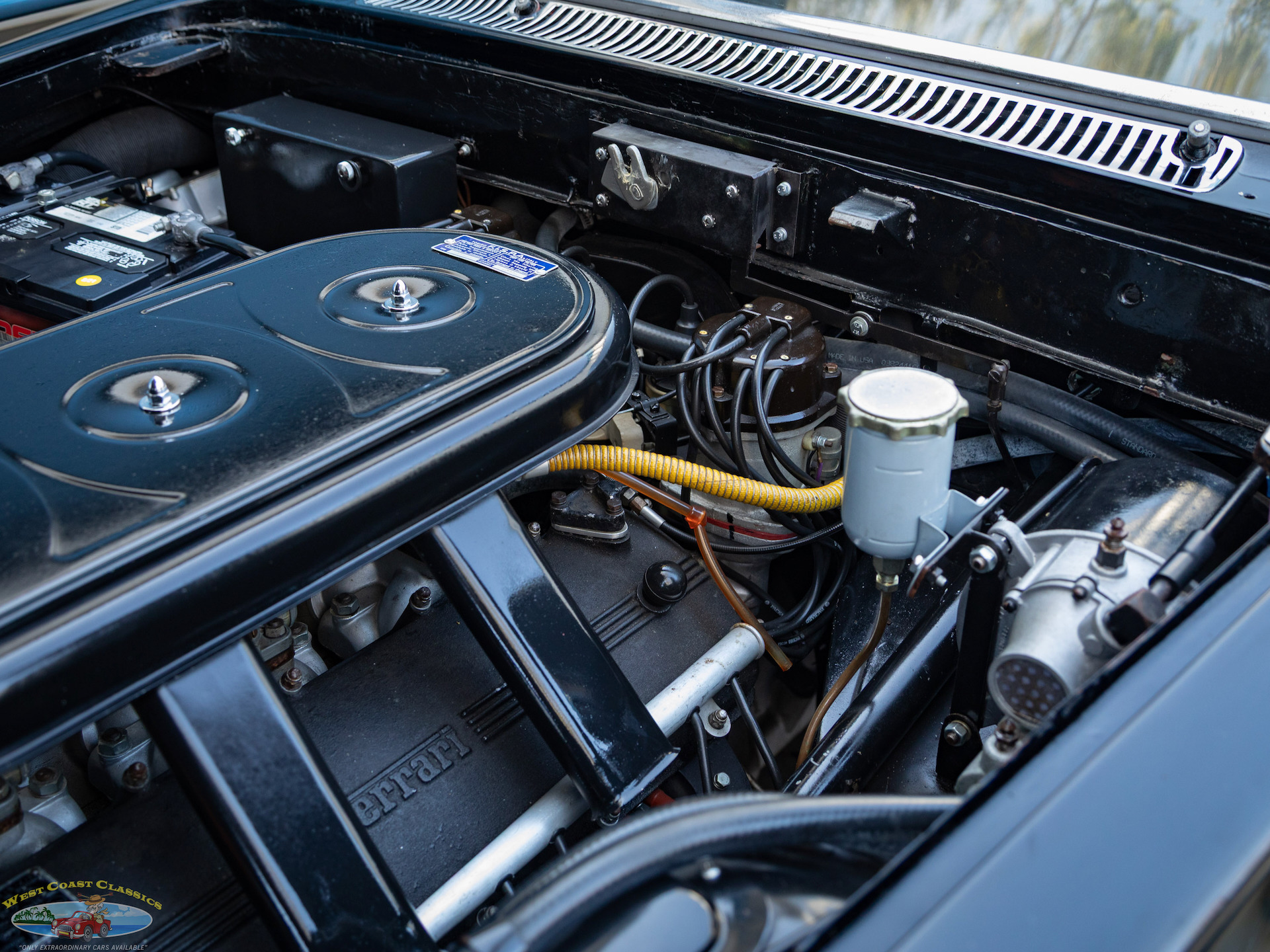
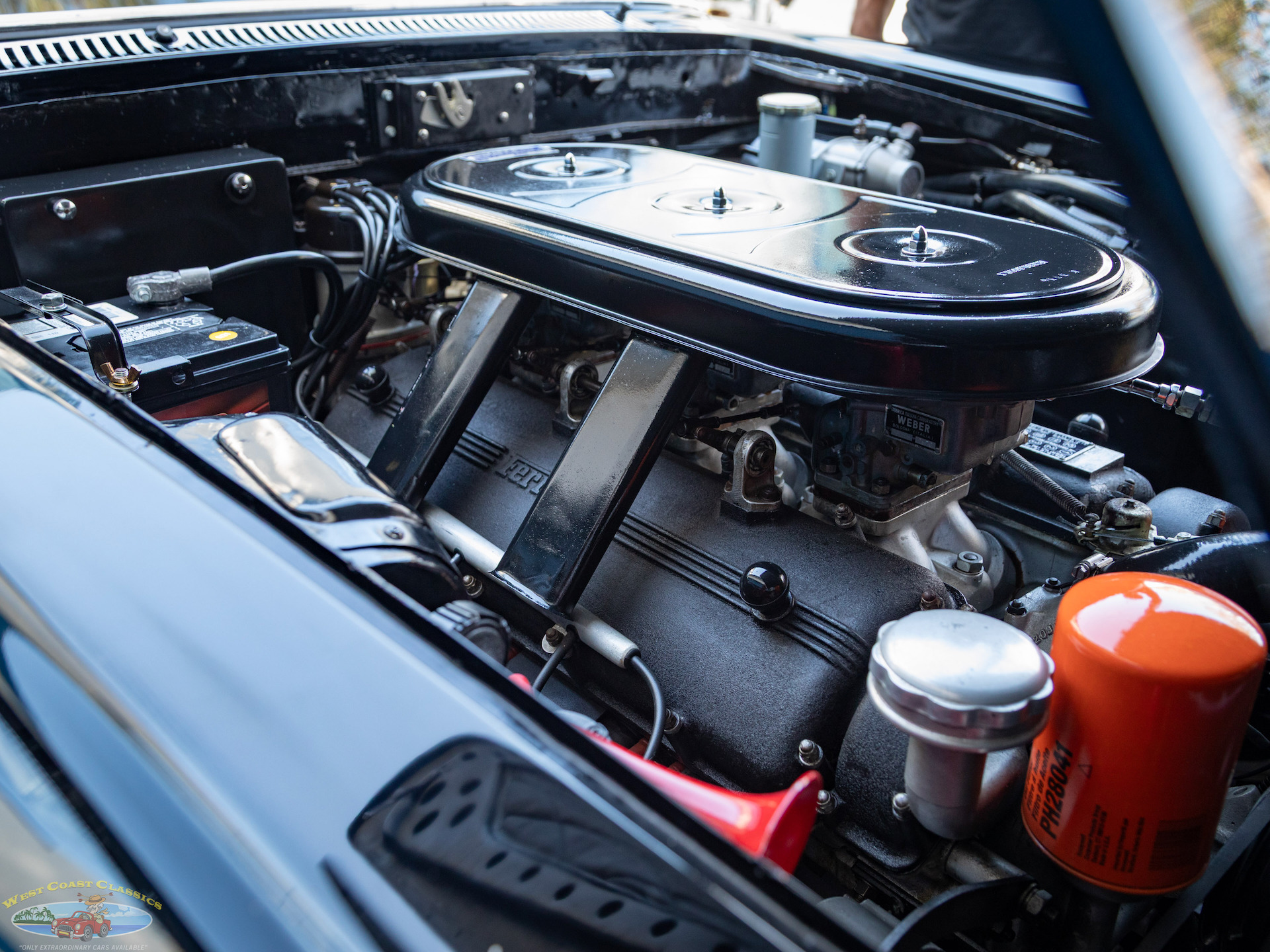
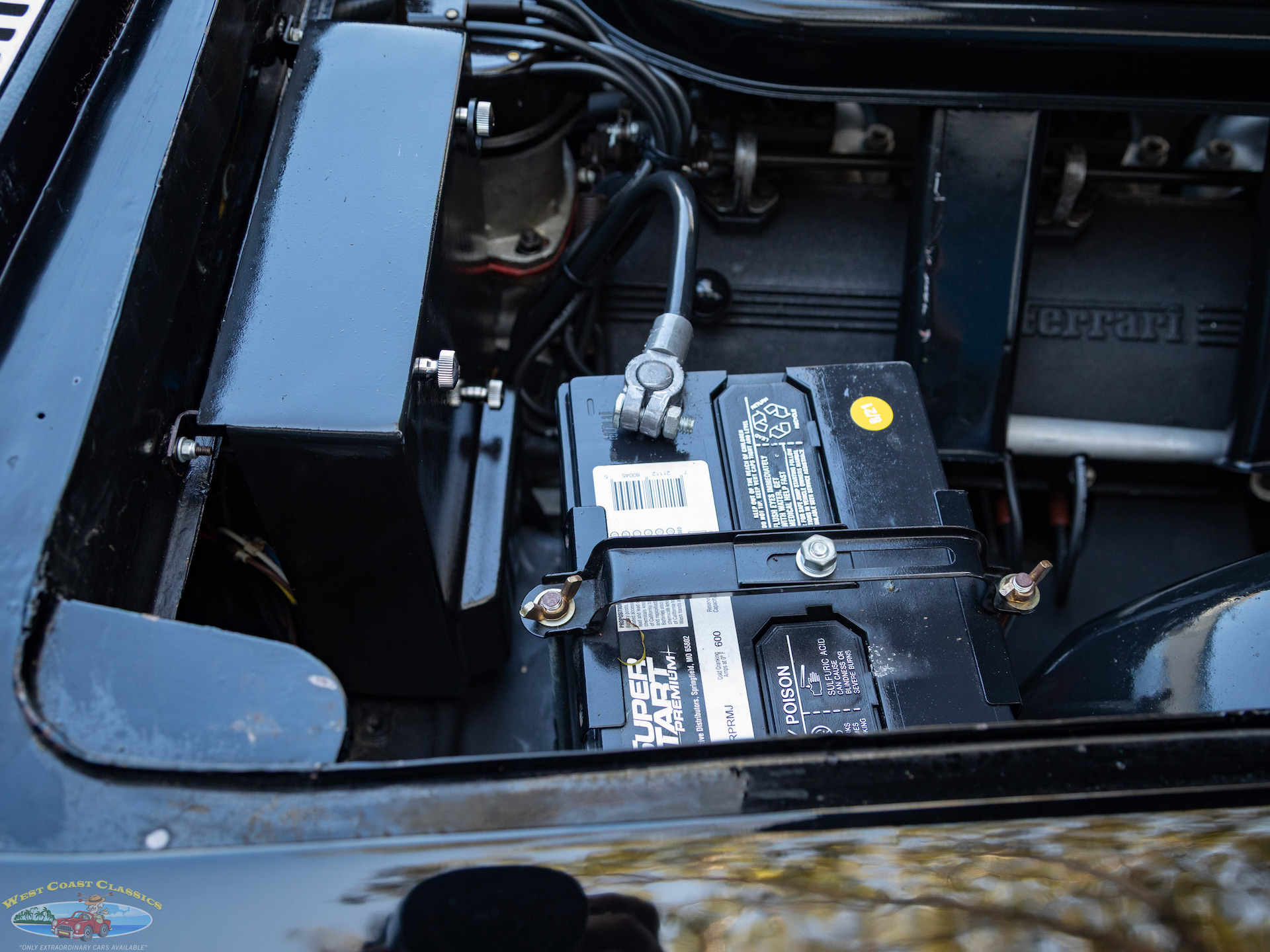
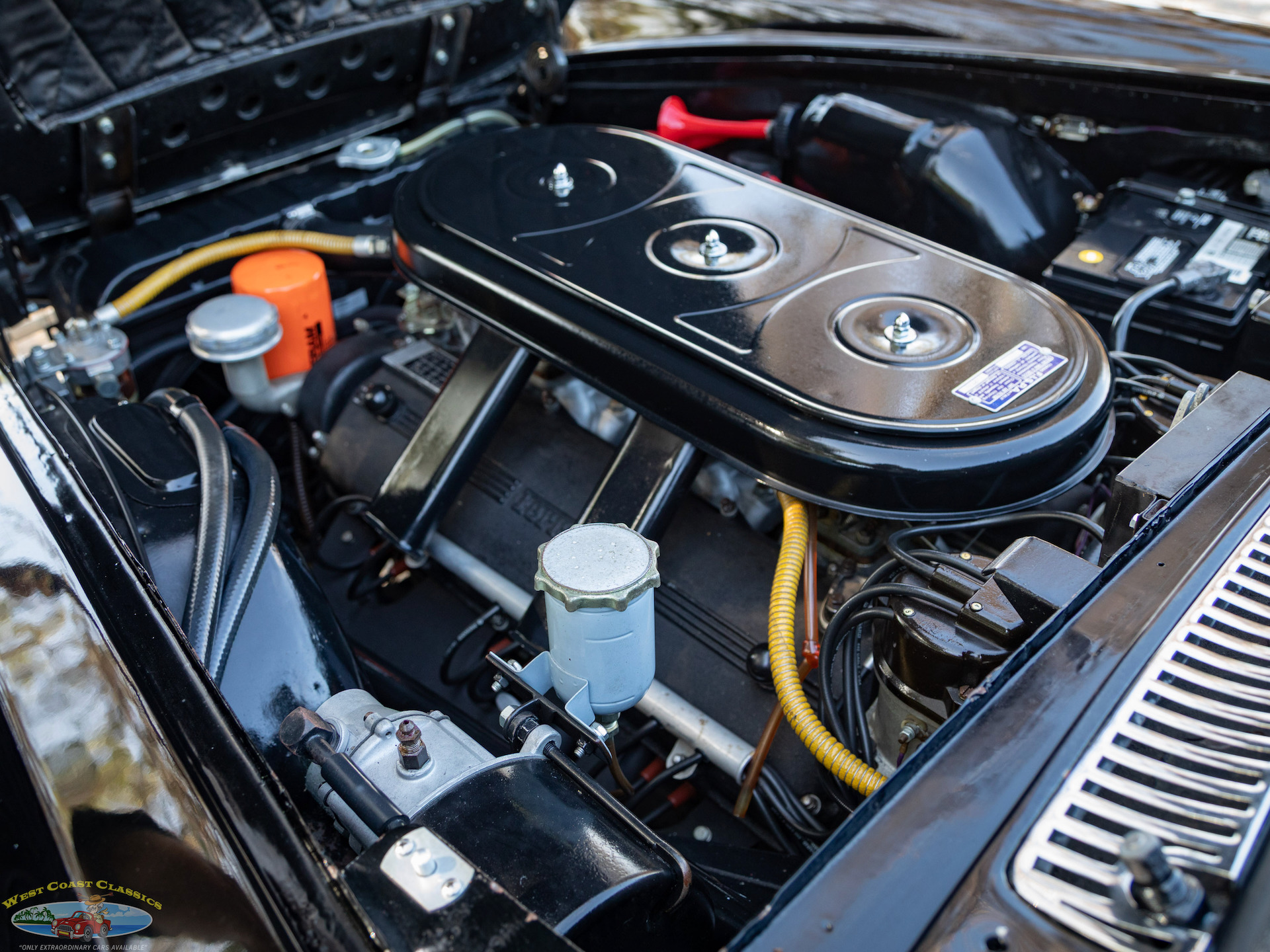
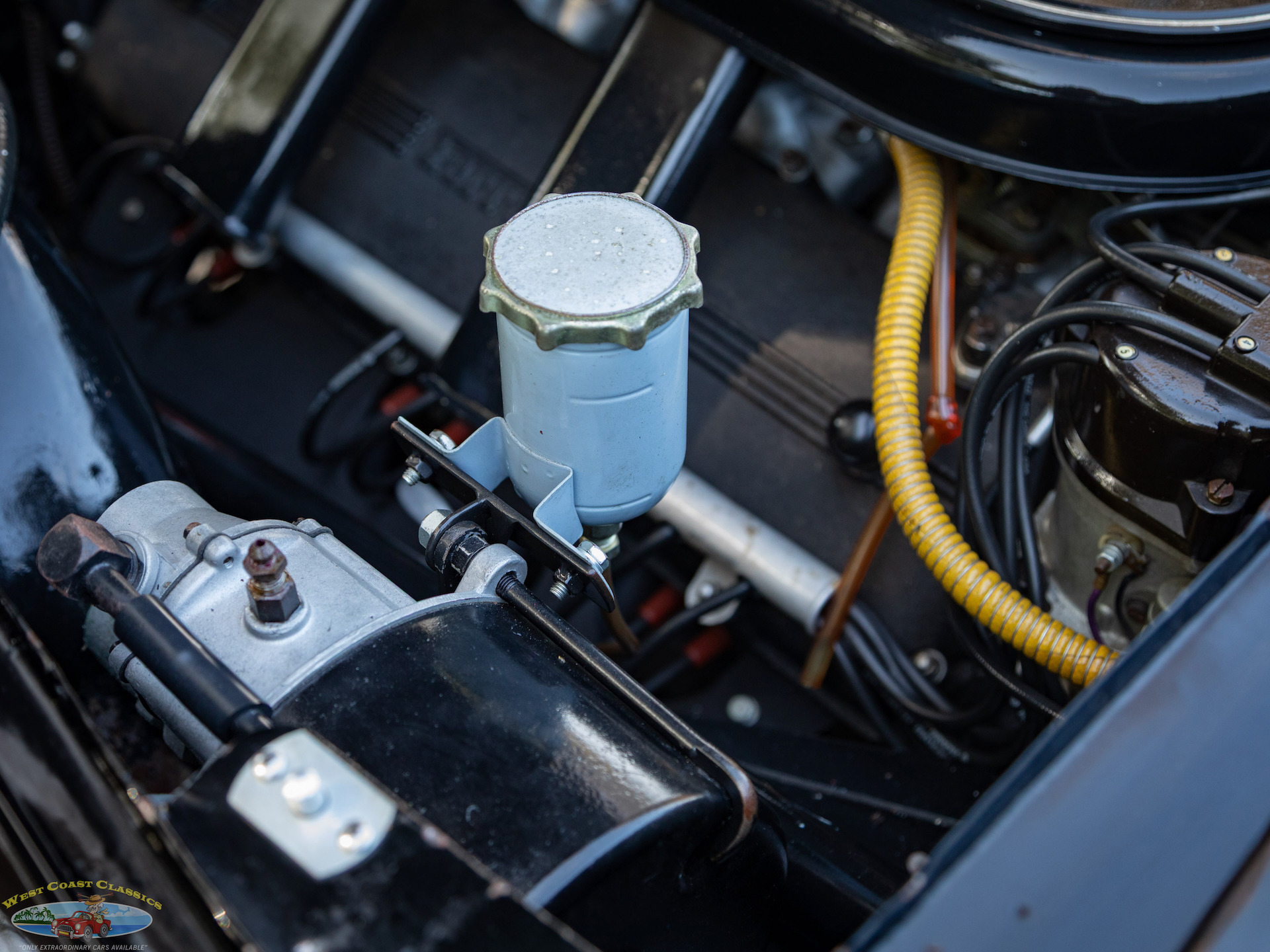
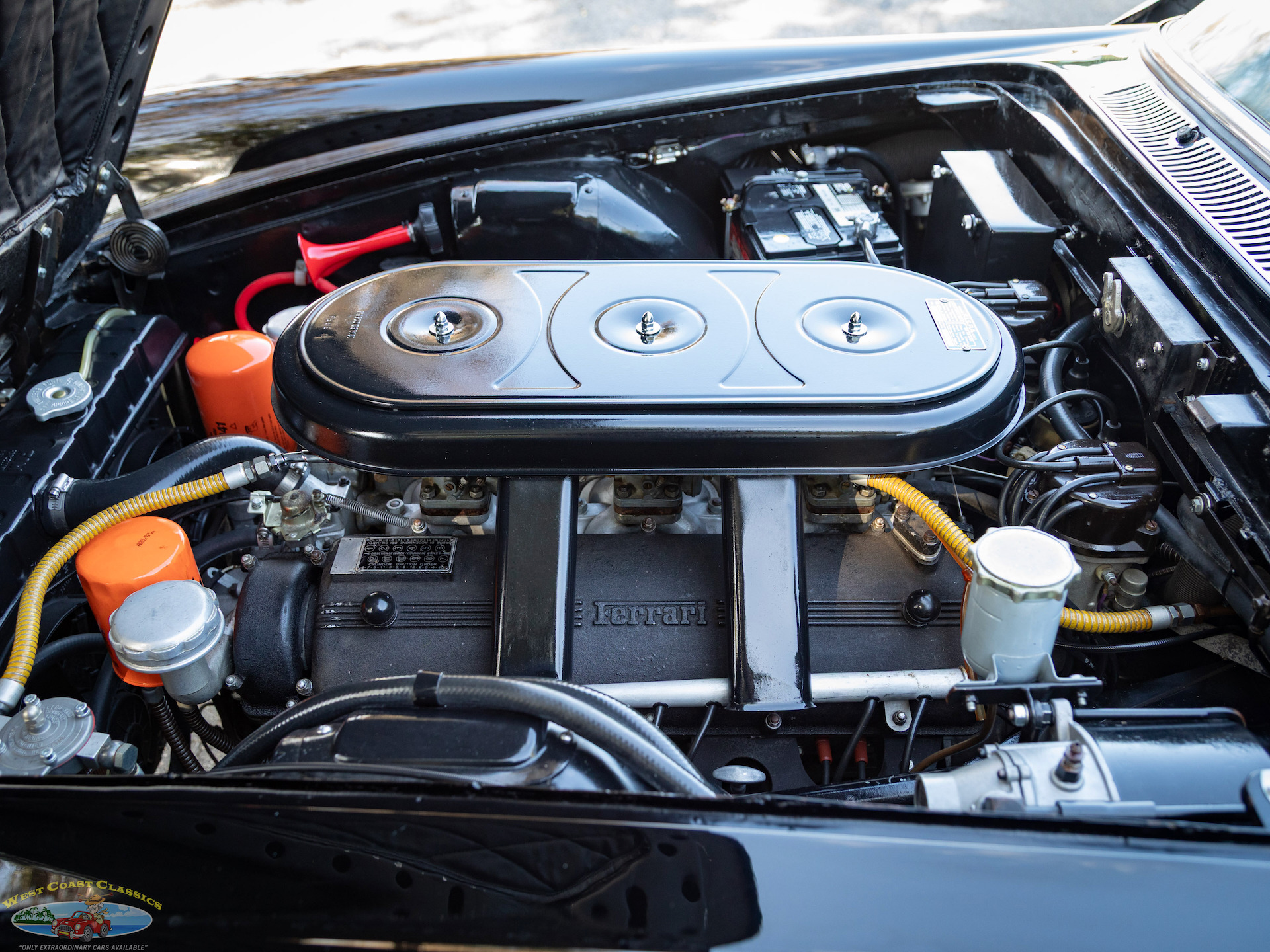
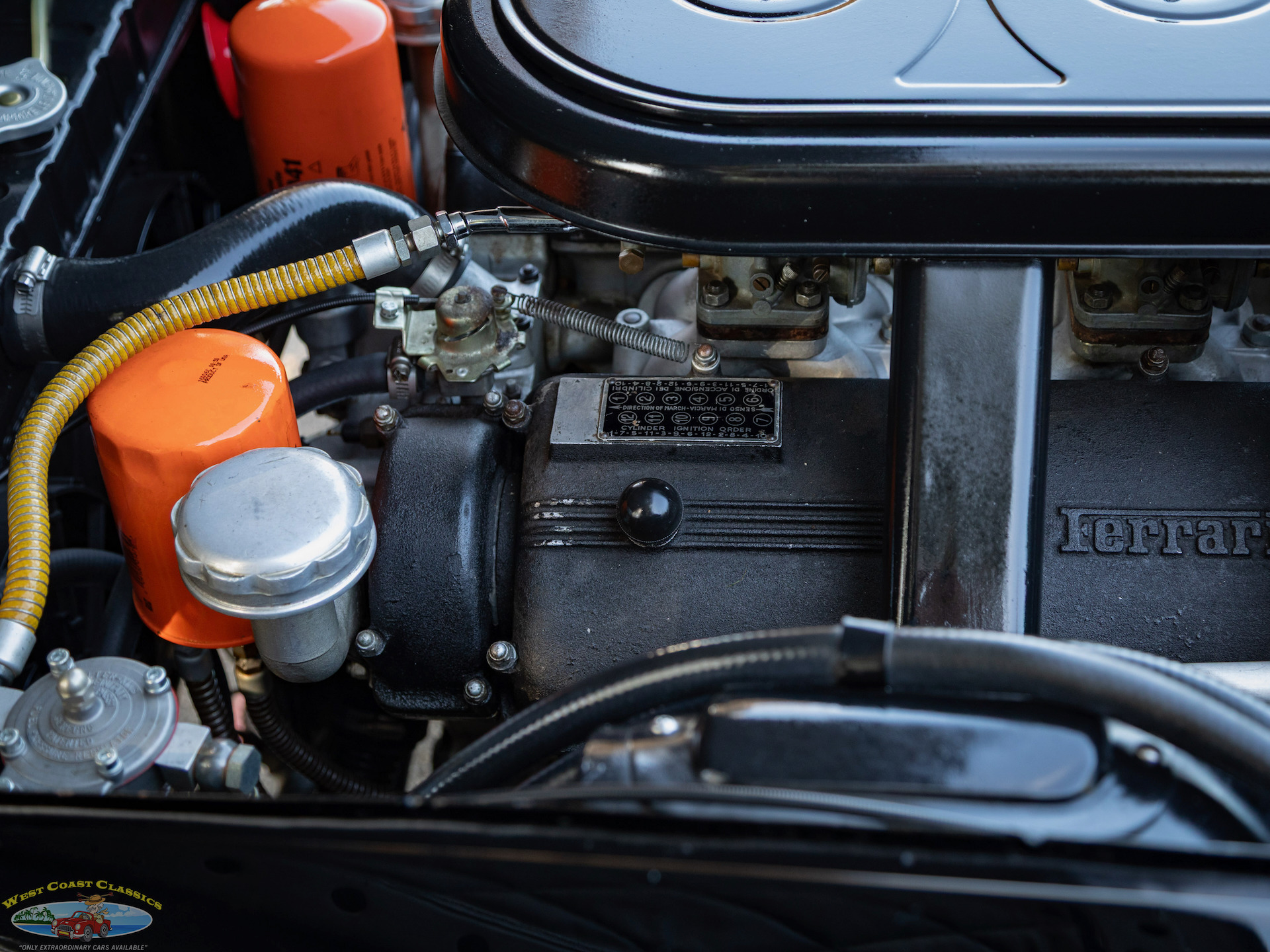
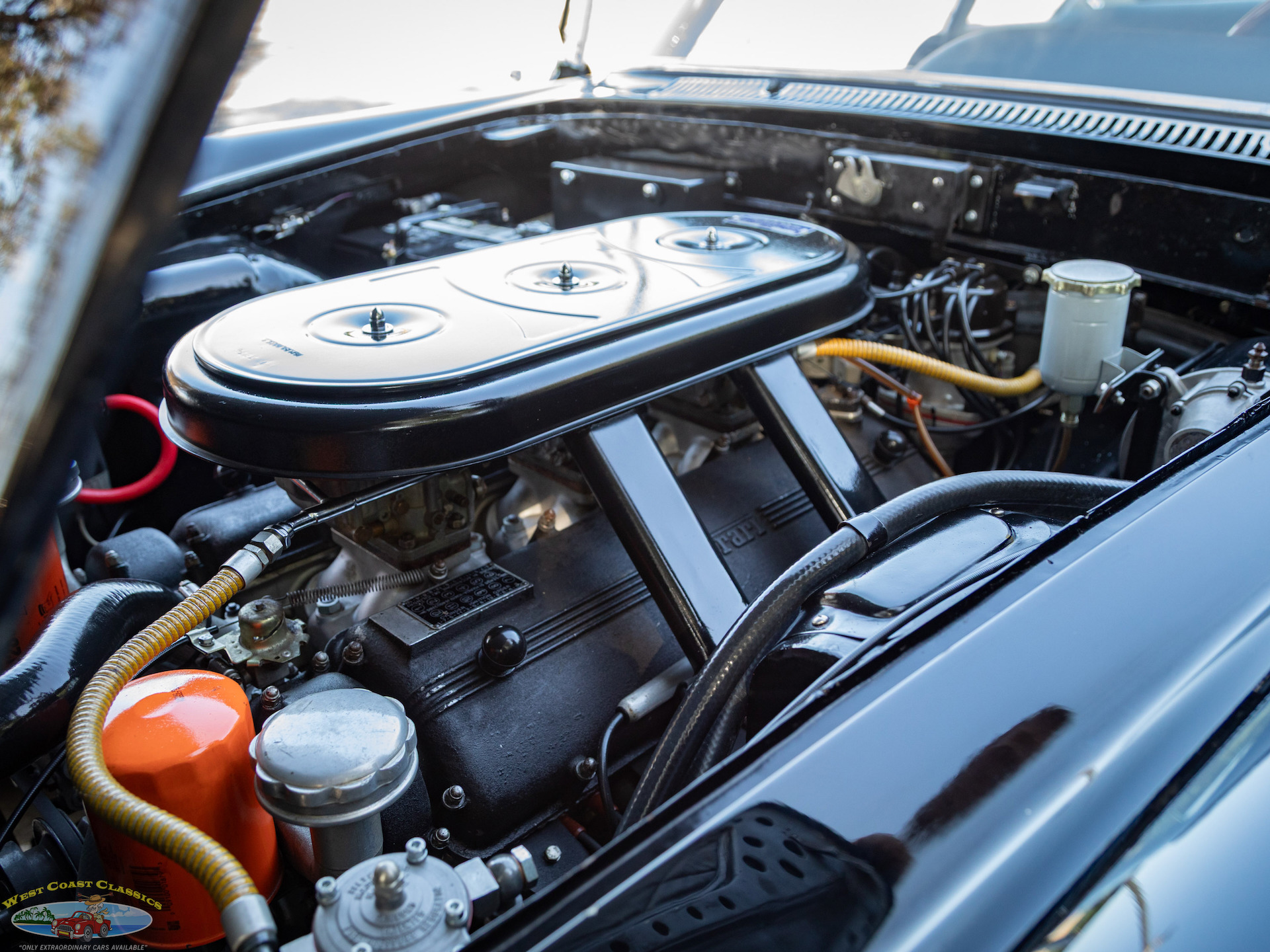
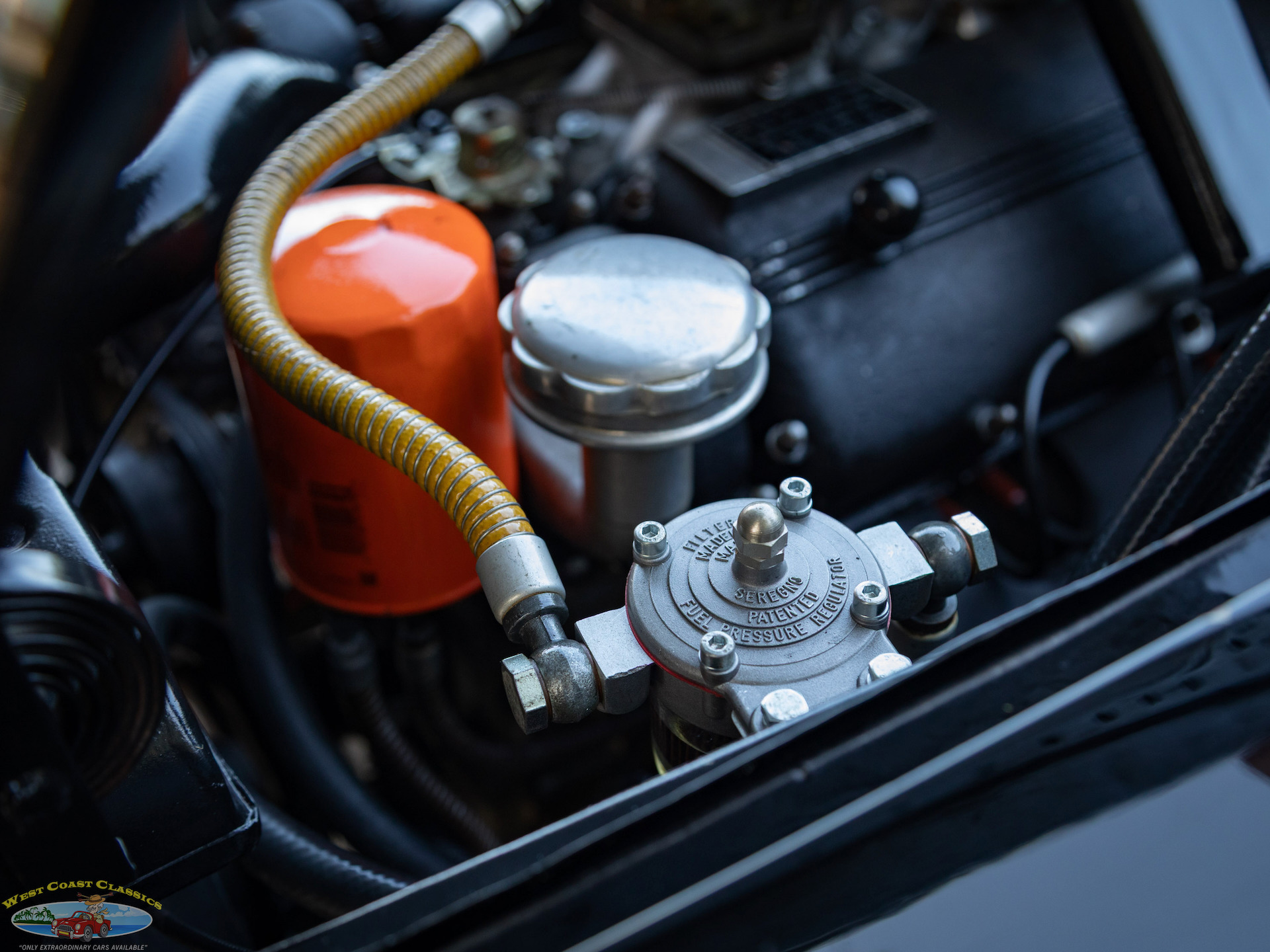
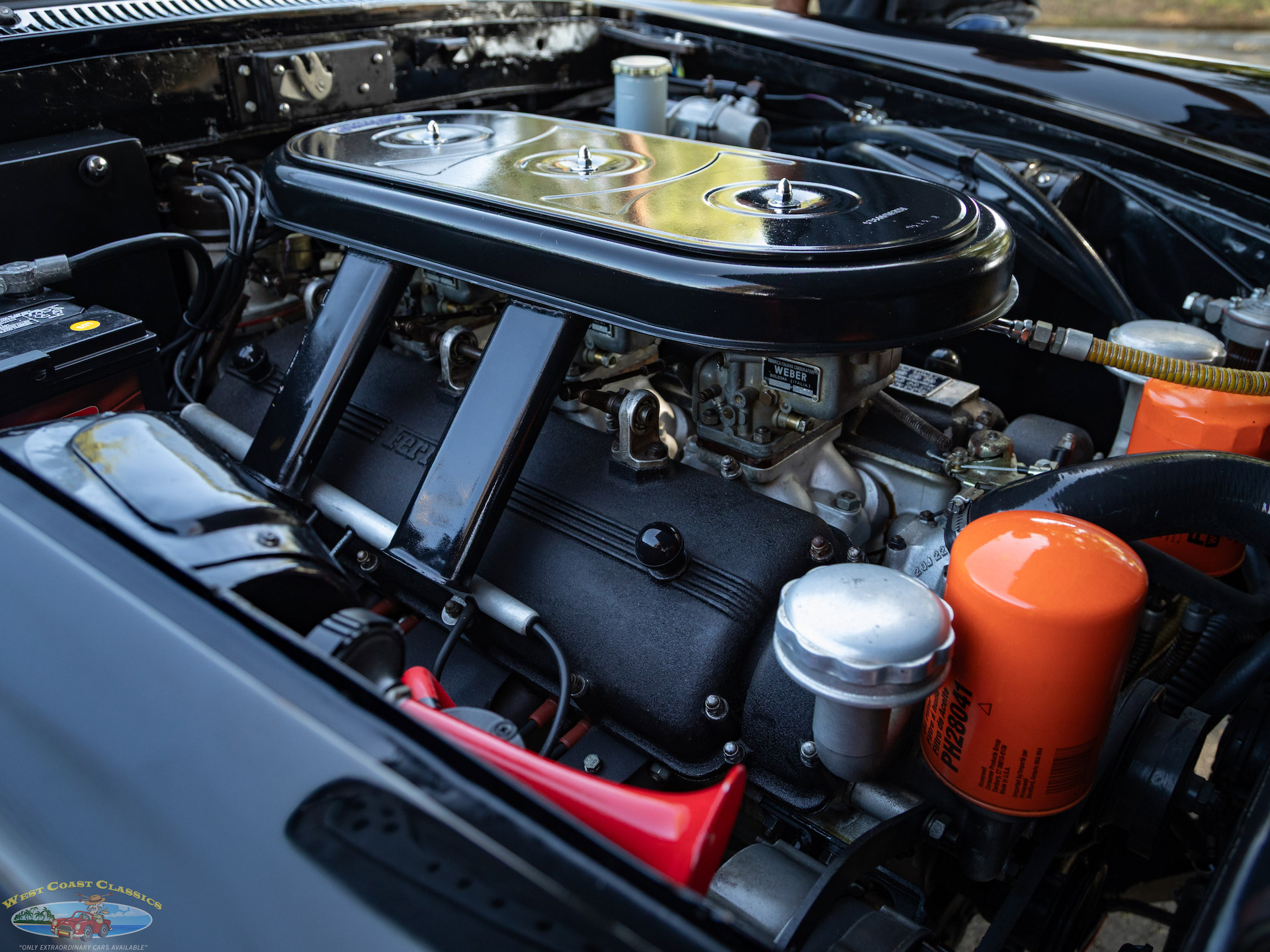
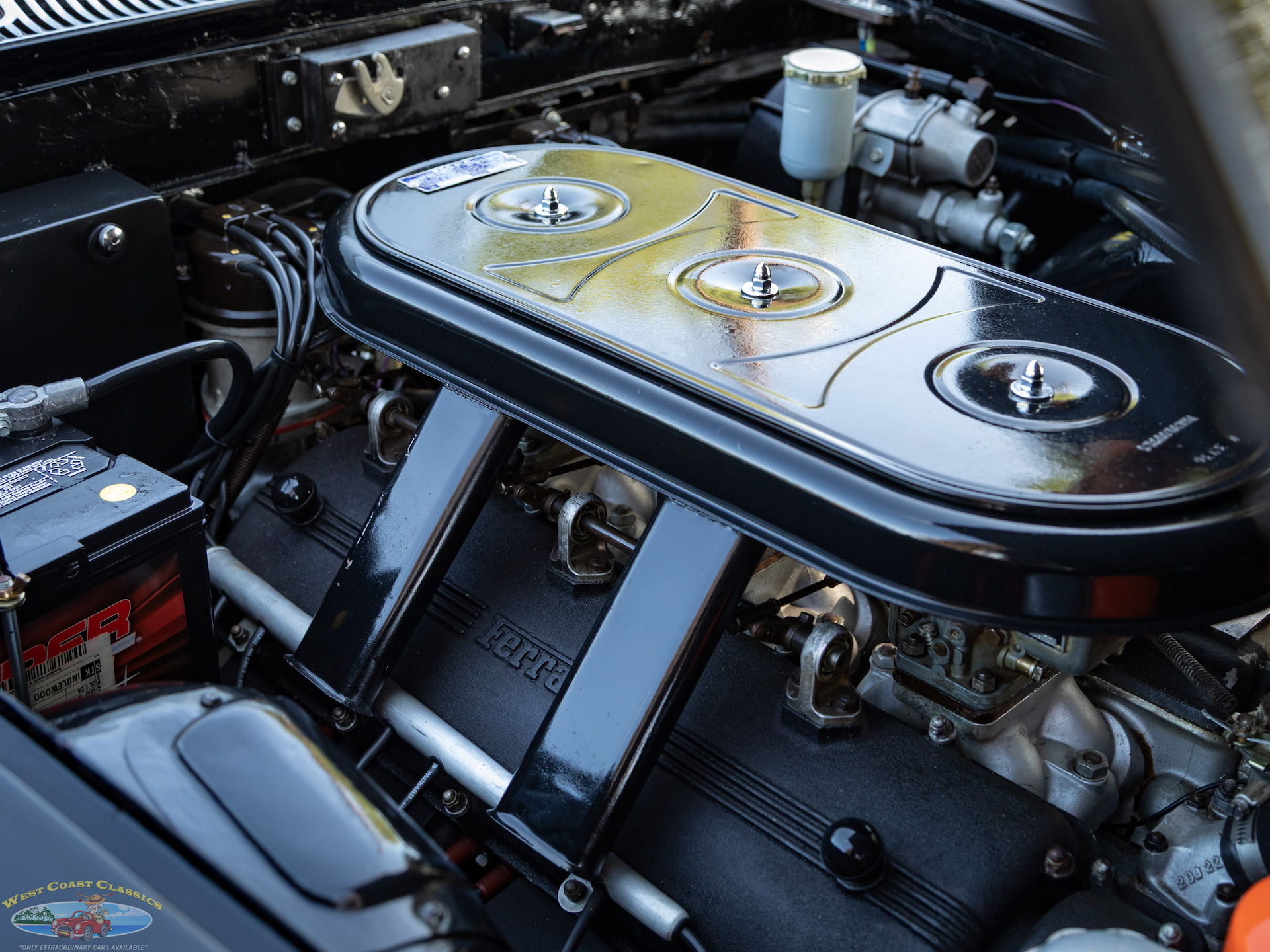
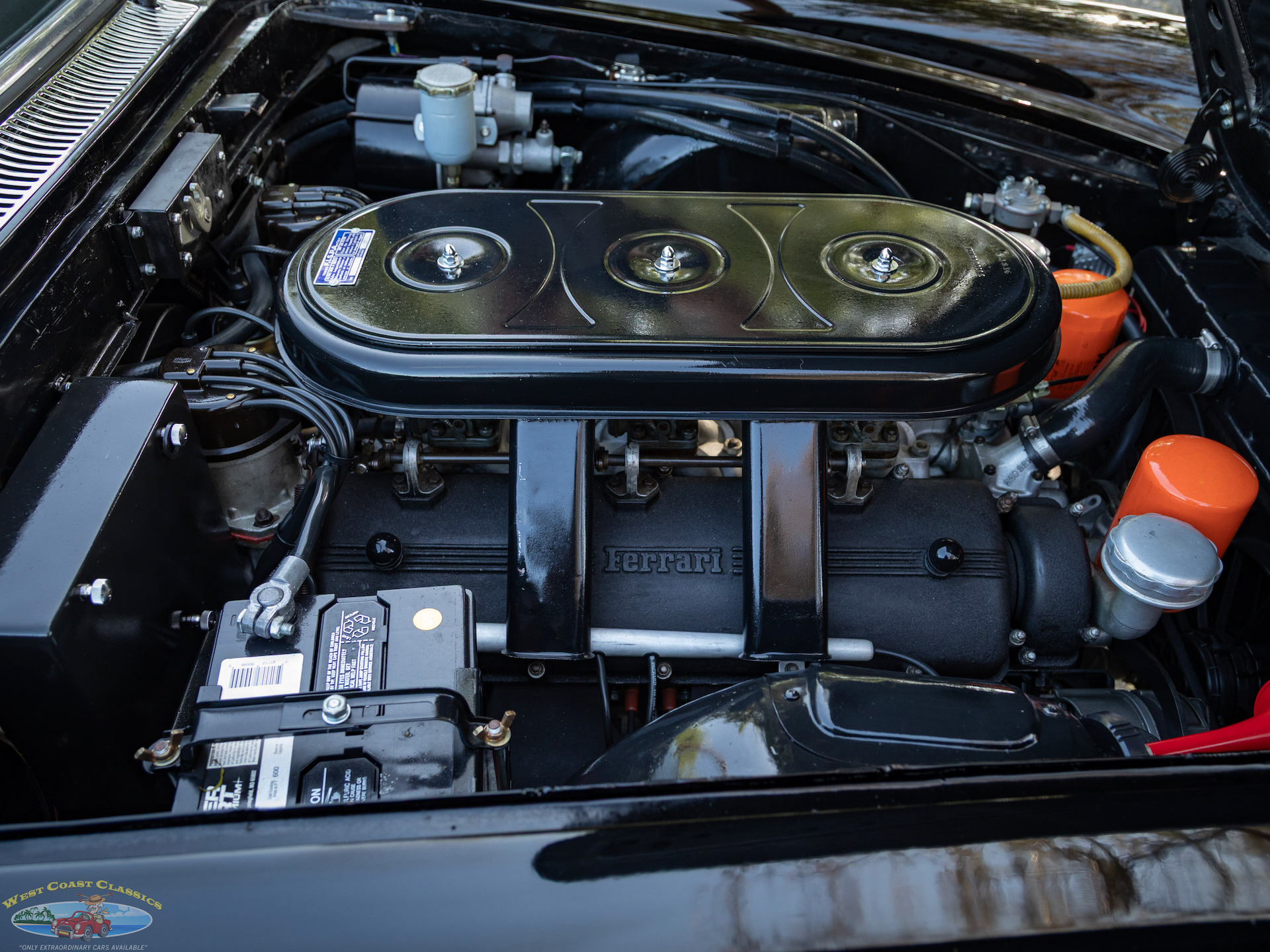
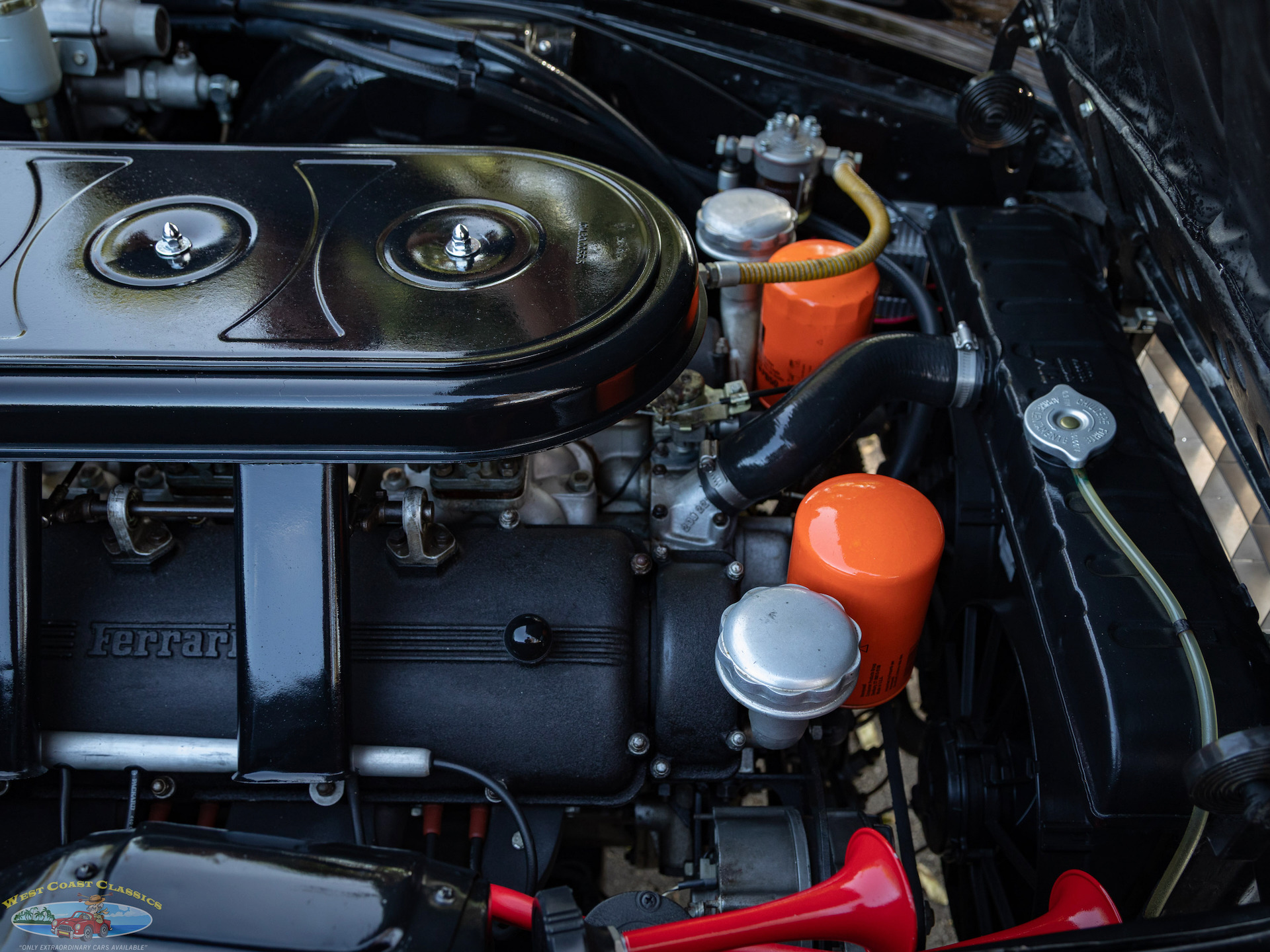
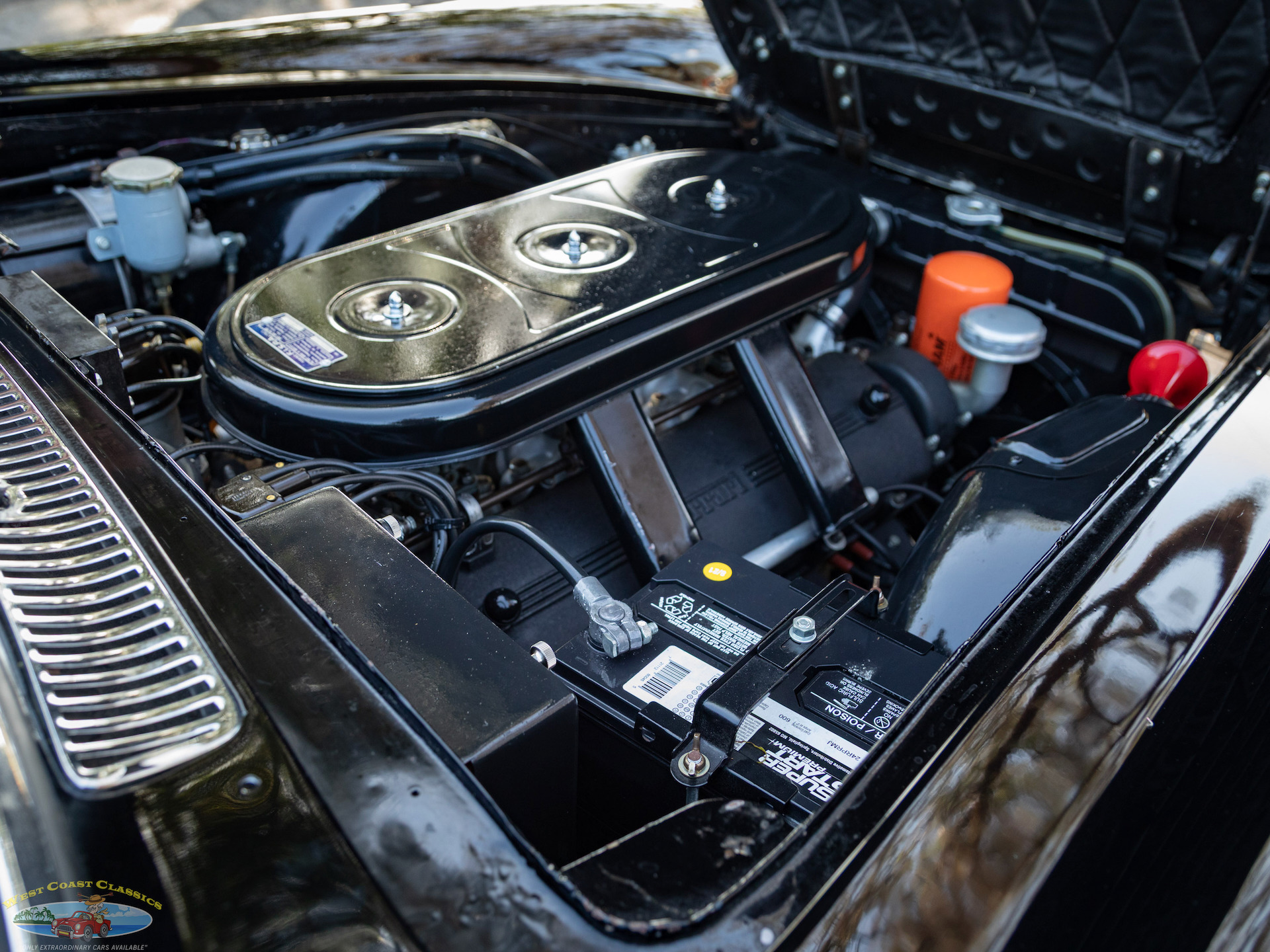
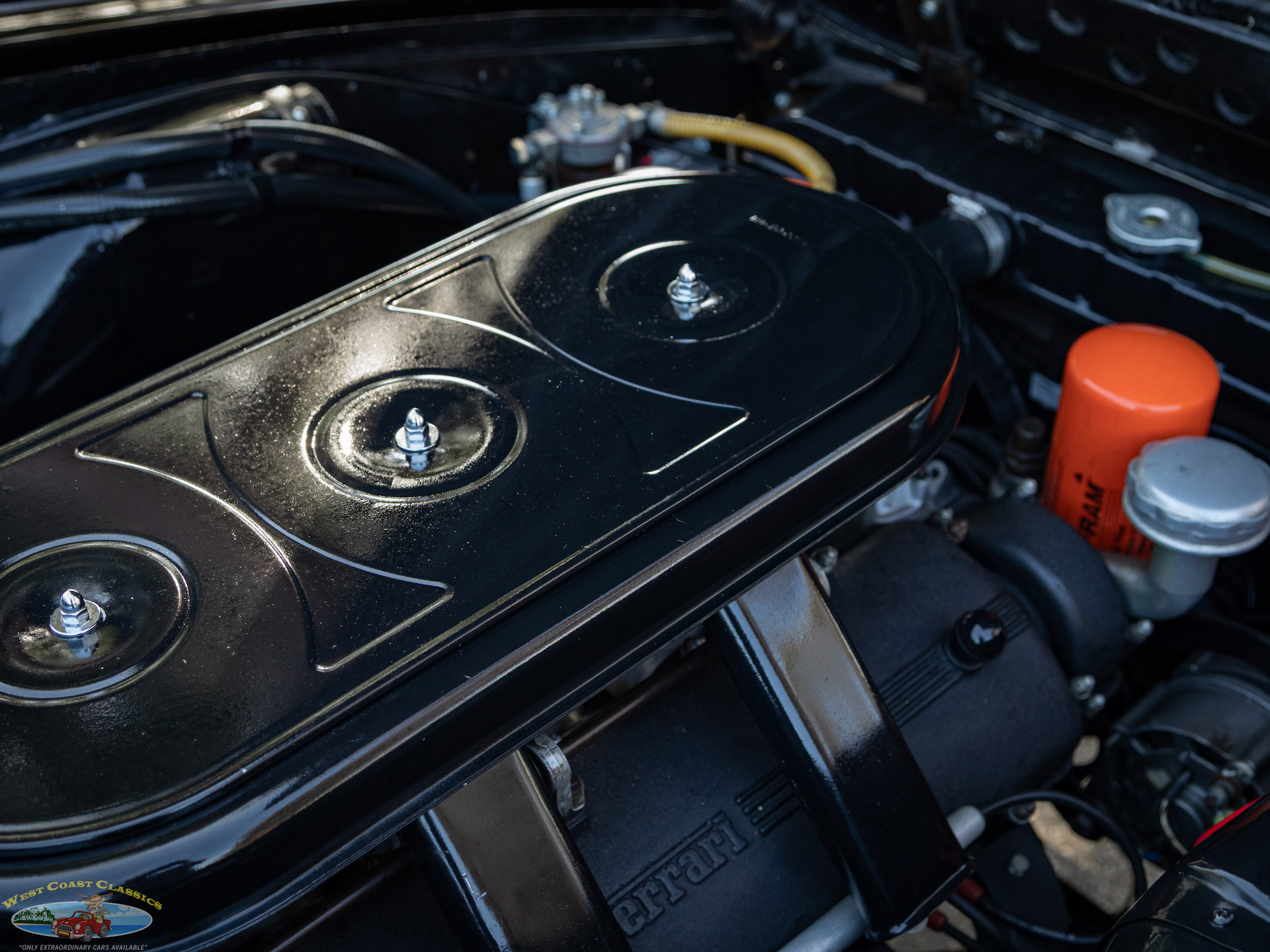
It was born from Maranello with a 3.0-liter Tipo 128E Colombo V12. It would not have left the factory with a 4.0-liter 330 V12 Columbo engine or a 5-speed transmission which are currently installed.
Aesthetic Configuration:
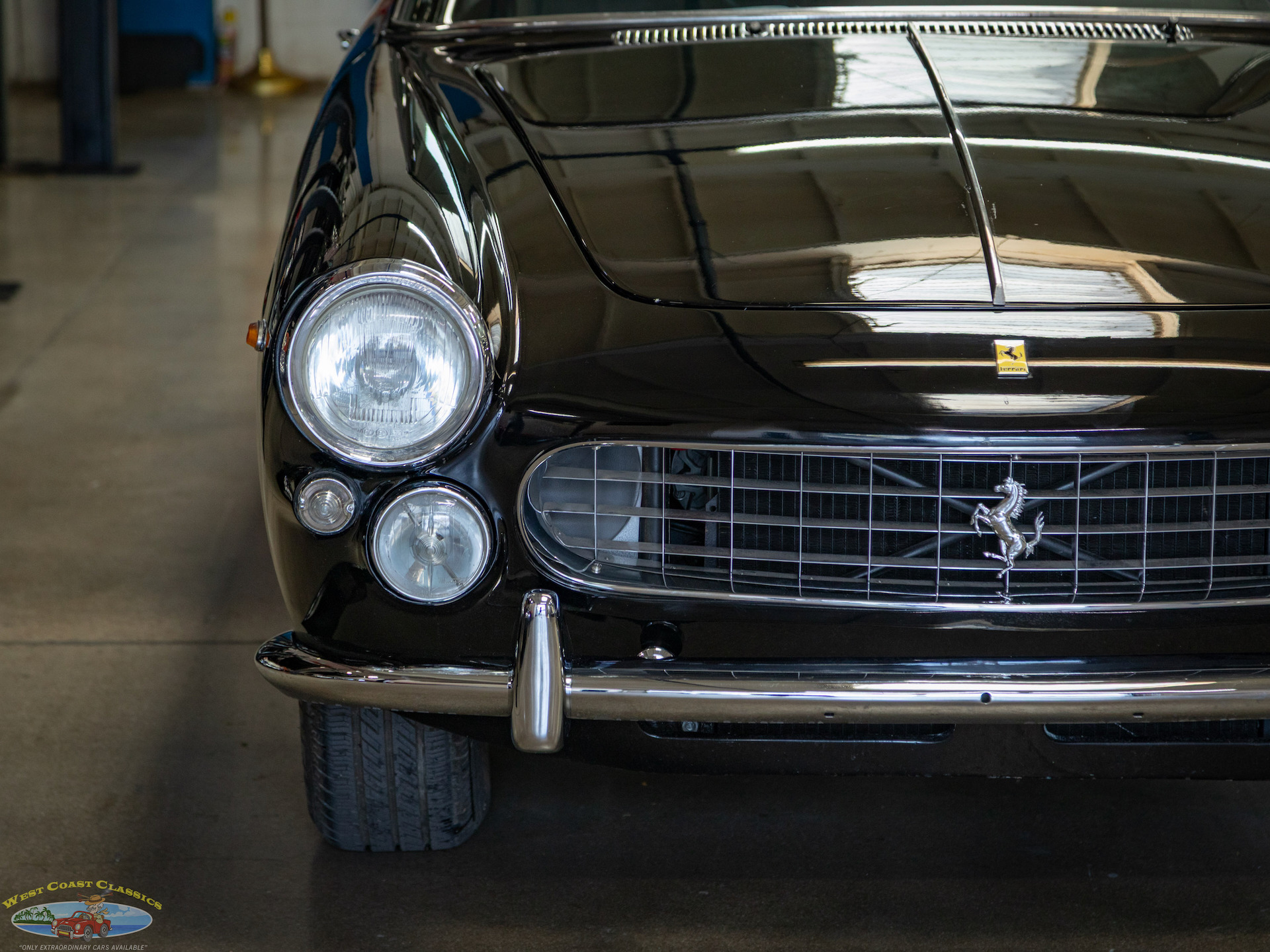
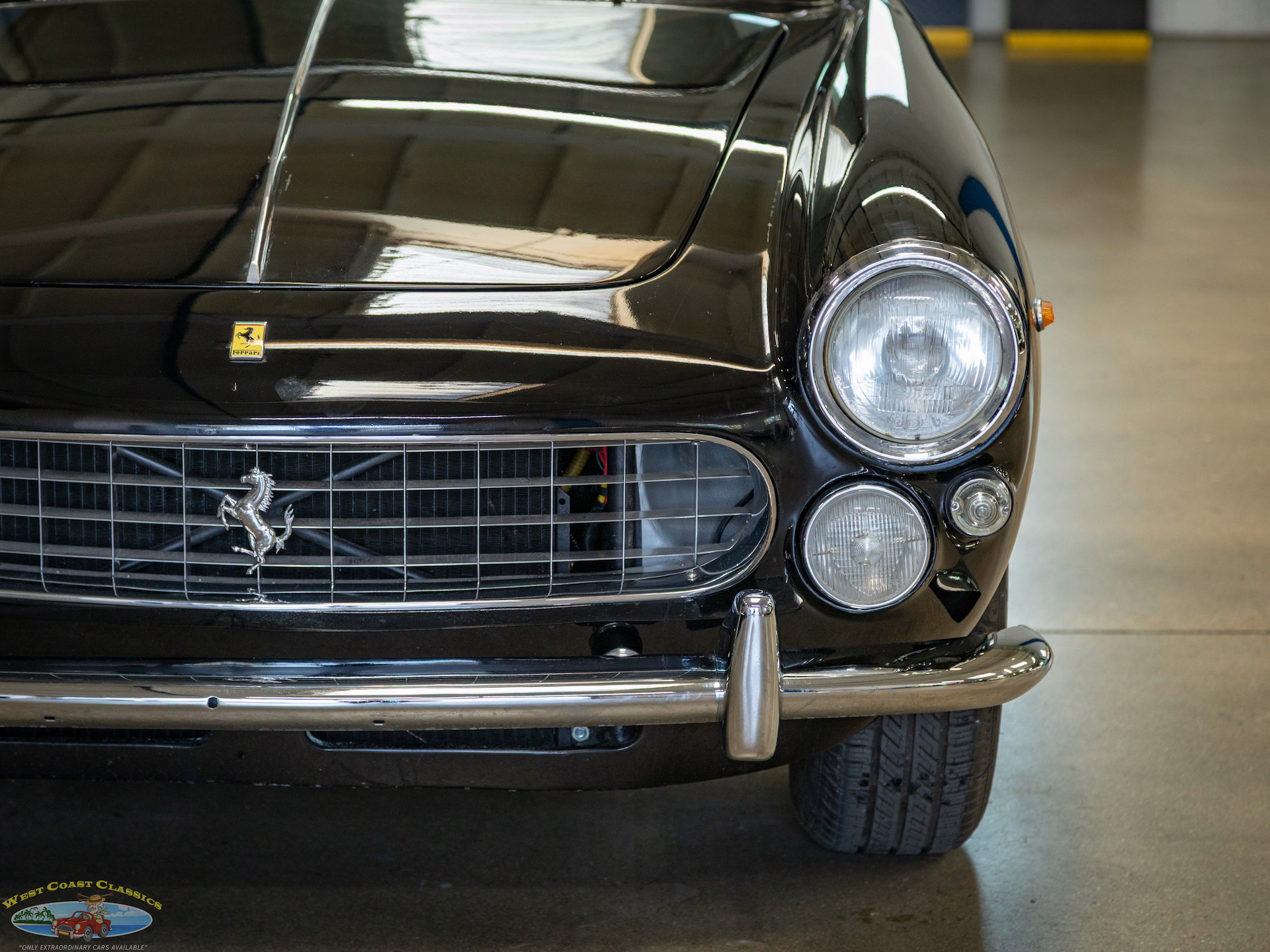
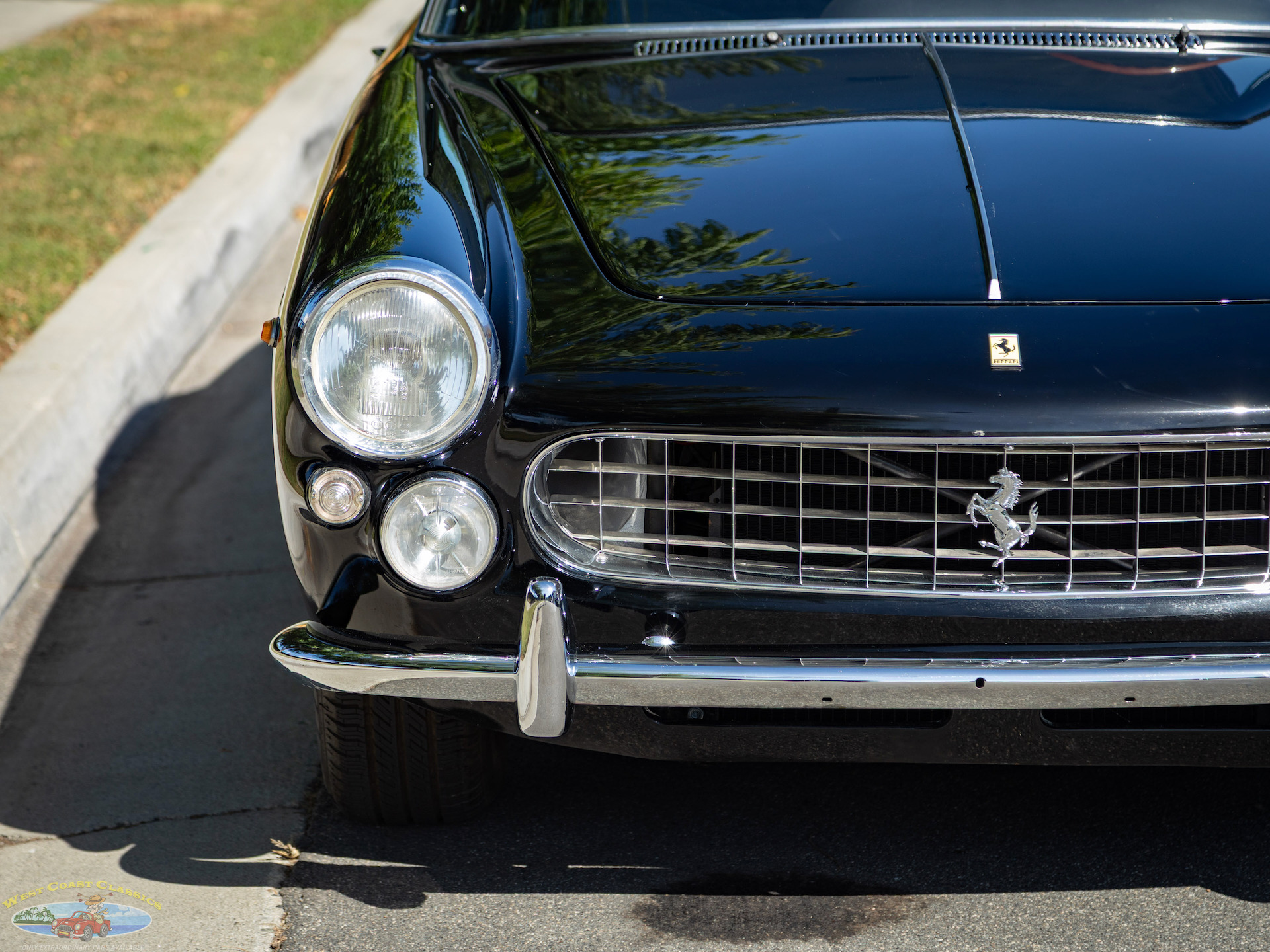
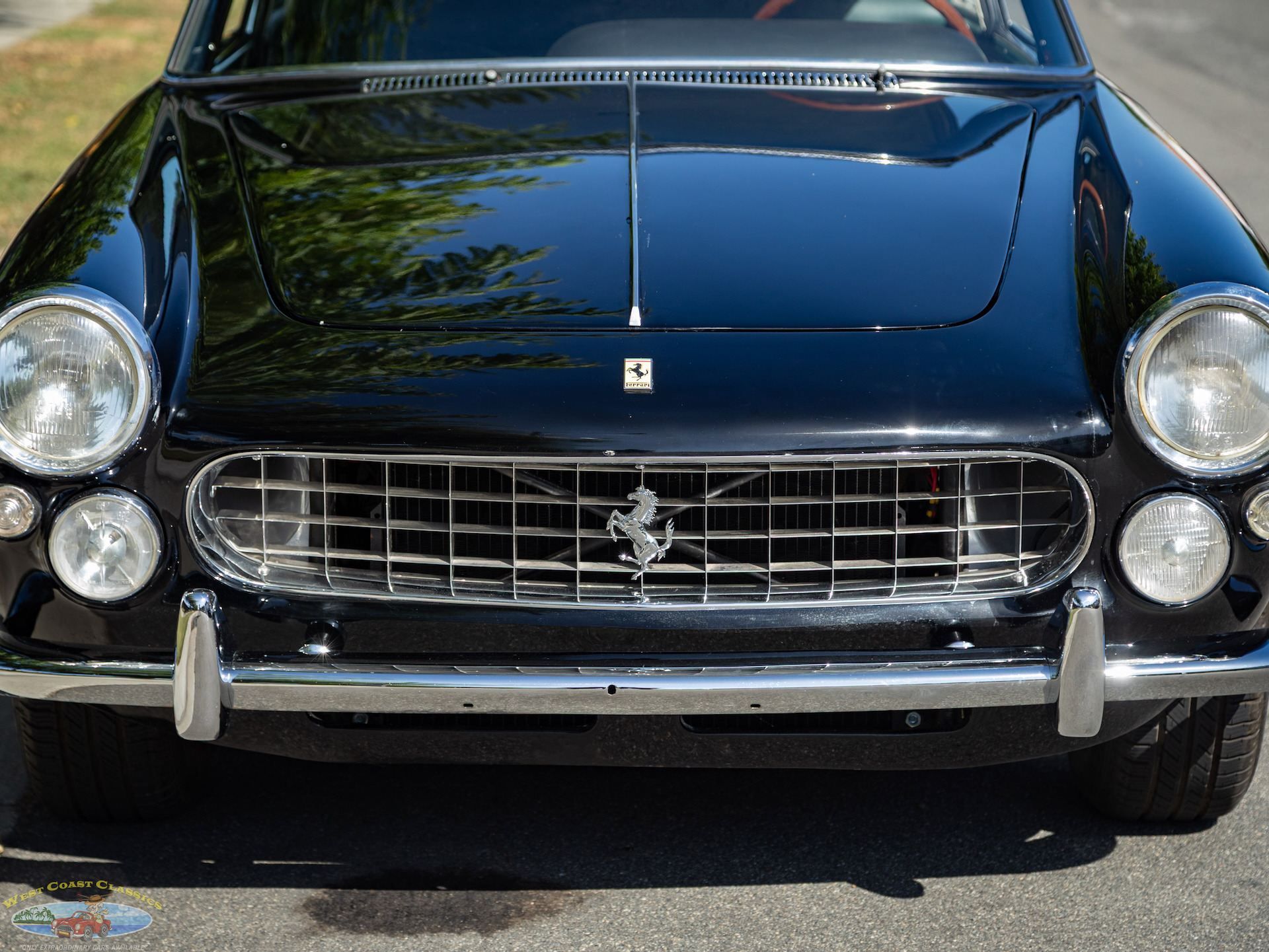
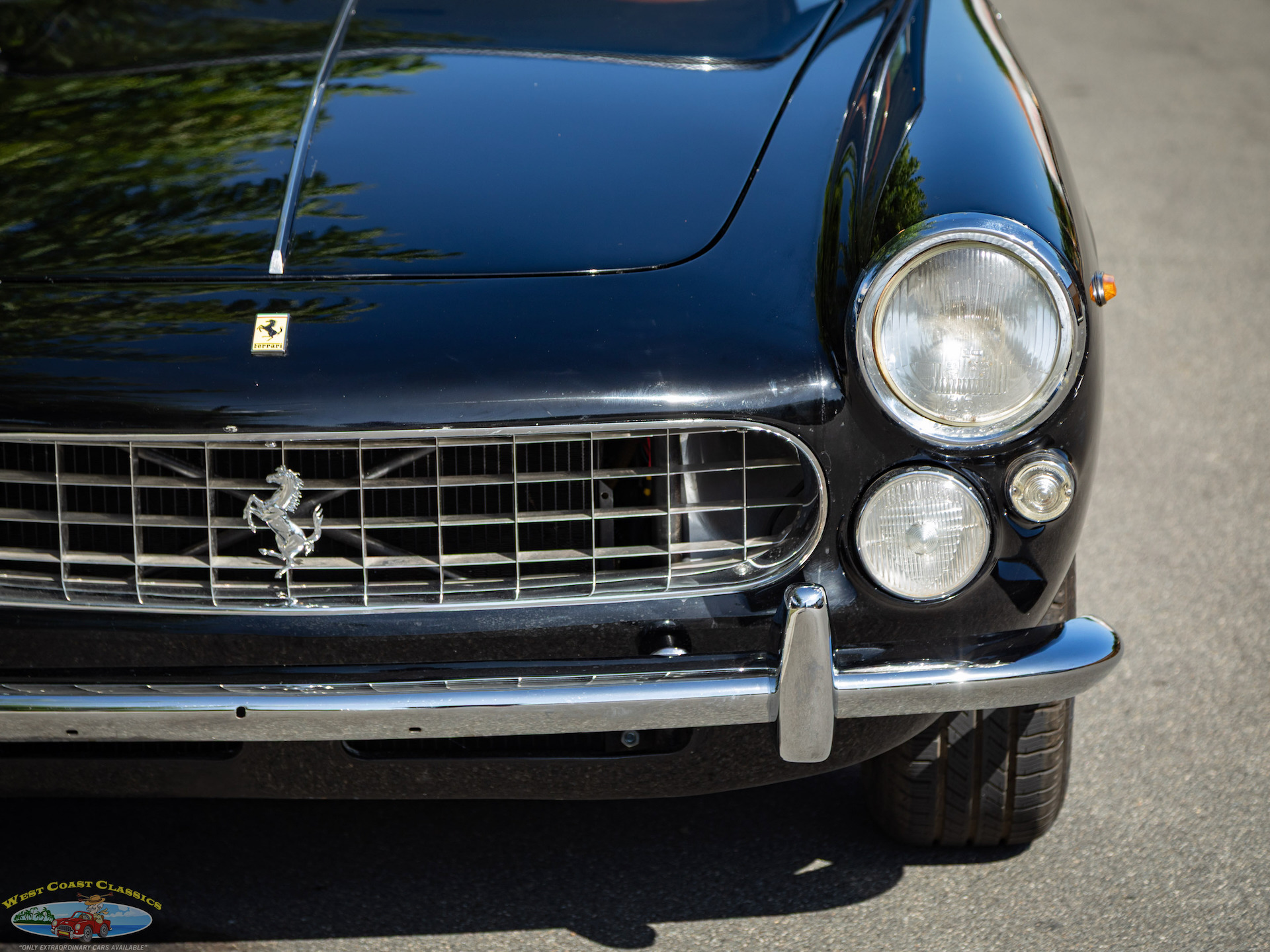
As a late Series III car, it left the production line featuring the updated Pininfarina styling, which moved the auxiliary driving lights to the outside of the front grille (unlike Series I cars, which had them inside the grille mesh). It was built as a left-hand drive (LHD) model
Barchetta Registry:
The car was reportedly sold at the legendary Los Angeles dealership ‘Otto Zipper Motors’, Ferrari Representatives of Hollywood, located on Wilshire Blvd., in Santa Monica, CA, USA, according to the ‘Barchetta’ history timeline docs.
Key Valuation Factors:
Series Breakdown: The 1963 model year represents the late-stage production run, primarily consisting of Series III builds. These variants feature distinctive design evolutions including fog lights positioned outside the front grille rather than integrated within.
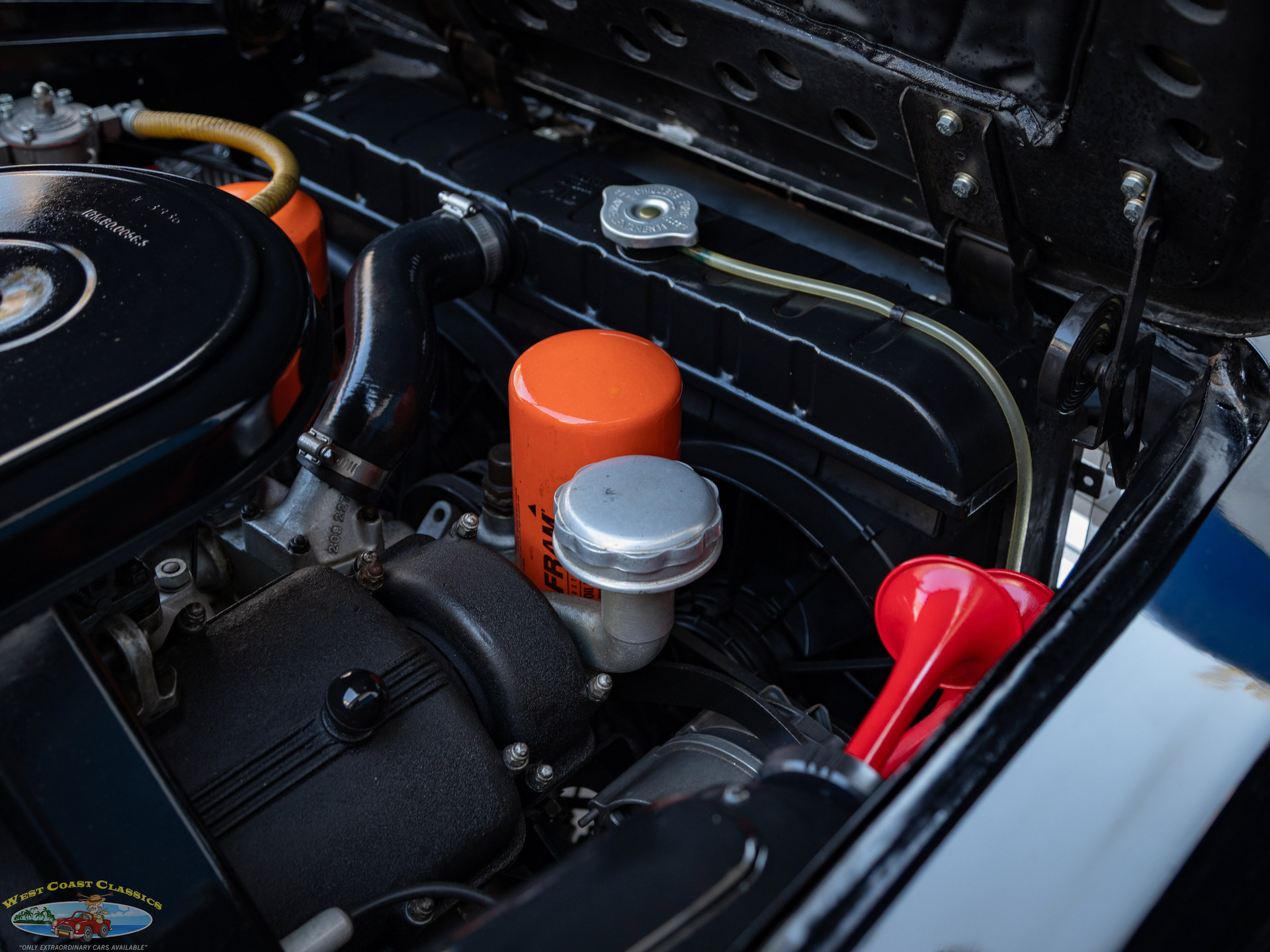
To scale the architecture up to a 4.0-liter displacement (3,967 cc) for the 330 series, Ferrari engineers had to make significant modifications to the physical 300 engine block.
Increased Bore Spacing:
In 1963, Ferrari internally redesigned the classic Colombo block, widening the spacing between the cylinder bore centers from 90 mm to 94 mm. This structural stretch gave engineers the necessary physical room to bore out the block for larger displacements.
Longer Stroke: The engine moved away from the short 58.8 mm stroke used in the 250 series to a longer 71 mm stroke coupled with a 77 mm bore.
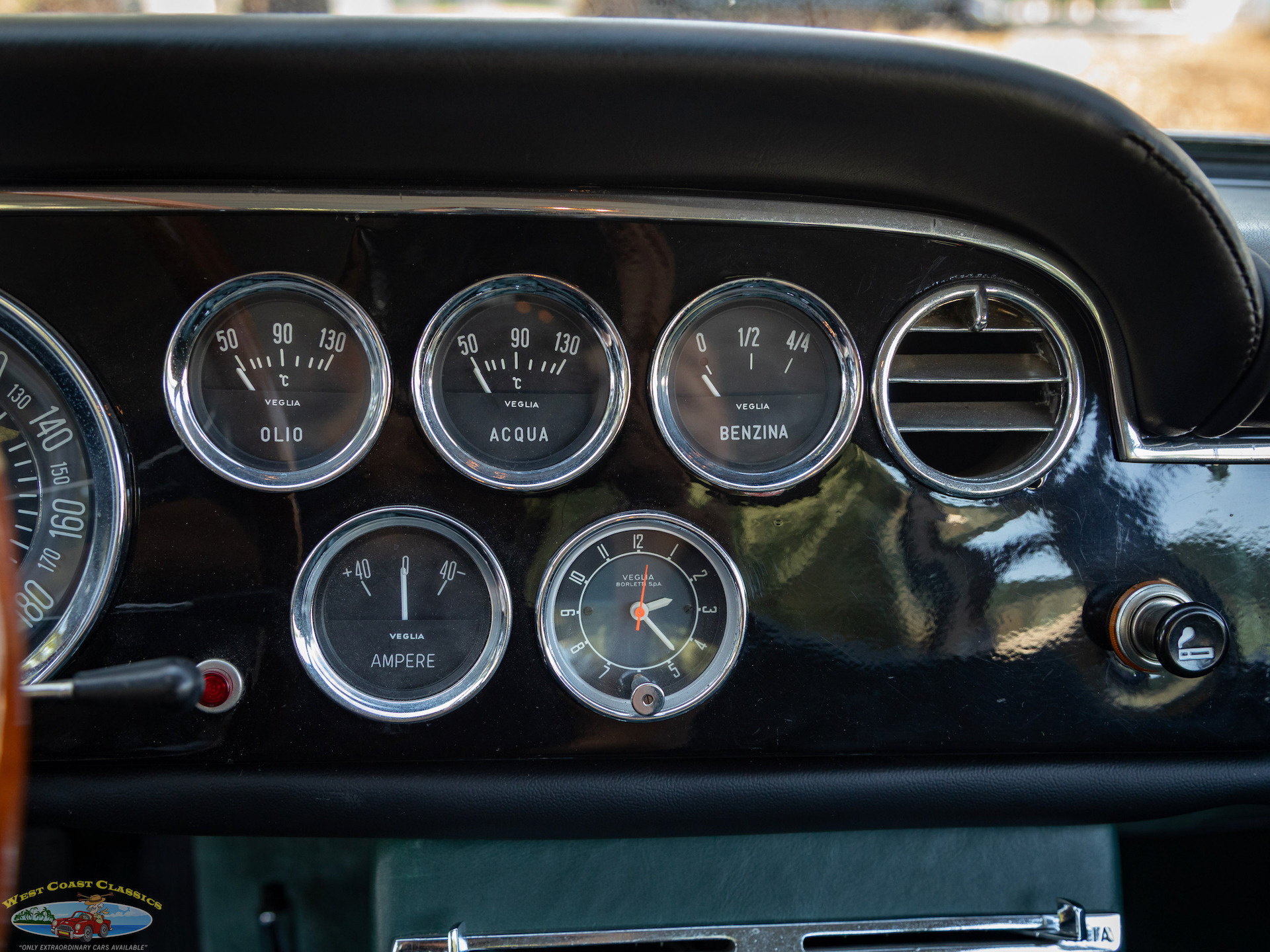
Modern Electricals: This version of the engine (often designated as the Tipo 209) also replaced the older, traditional generator with a modern alternator.
This highly versatile block would continue to be bored out even further for later iterations, ultimately powering cars like the 4.4-liter 365 GTB/4 Daytona and remaining in production until 1989
This car has a 330 4.0L Columbo V12 engine matched to a 5 spd transmission reportedly gone thru by Patrick Ottis, one of the most elite and internationally renowned vintage Ferrari restoration specialists and mechanics in the United States.
Operating out of a discreet facility at Patrick Ottis Co of Berkeley, CA, he has been a leading authority on classic Colombo V12 engines and vintage Italian sports cars for over four decades
Ottis began his mechanical career in 1972 as an apprentice to Alf Francis—the legendary grand prix racing mechanic for Sir Stirling Moss. He worked on early Ferrari and Alfa Romeo race cars before relocating to the San Francisco Bay Area.
Cars mechanically rebuilt or restored by Ottis routinely win and podium in the prestigious Ferrari Competition and Touring classes at the Pebble Beach Concours d’Elegance. Ottis himself has served as a respected judge at Pebble Beach for nearly 30 years.
Having a 1963 Ferrari 250 GT/E modified with a 4.0-liter 330 engine and a 5-speed transmission obviously fundamentally changes how the car is valued, shifting it into the "Hot Rod" or "period-upgraded" non-matching numbers category; although having the Patrick Ottis Co. certification of the mechanical rebuild quality will immediately validate the drivetrain's execution to future buyers, potentially recovering most of the value lost from the missing original numbers.
Also it noteworthy that although it suffers a financial penalty for losing its original 3.0L Colombo engine and 4-speed + overdrive gearbox, it avoids the deeper "empty engine bay" or "generic American V8 swap" discounts because the replacement parts are highly desirable, period-correct Ferrari components.
The 330 Engine Premium:
Replacing the original 3.0L engine with a 4.0L V12 from a Ferrari 330 (which delivers 300 hp vs. the original 240 hp) is a historically common and highly respected upgrade. In fact, Ferrari did this exact swap from the factory at the very end of the 250 GTE production run, naming those rare transitional cars the 330 America.
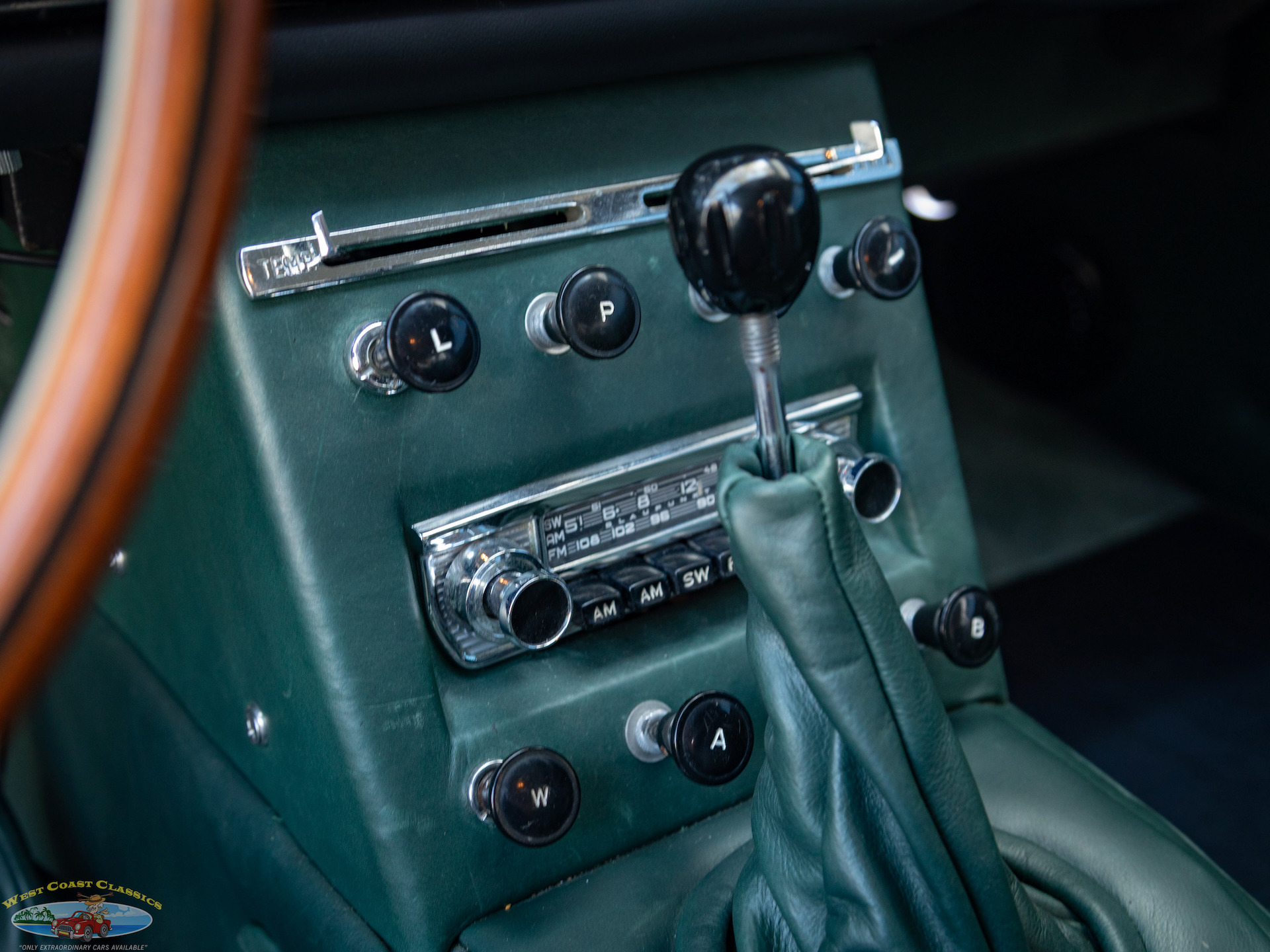
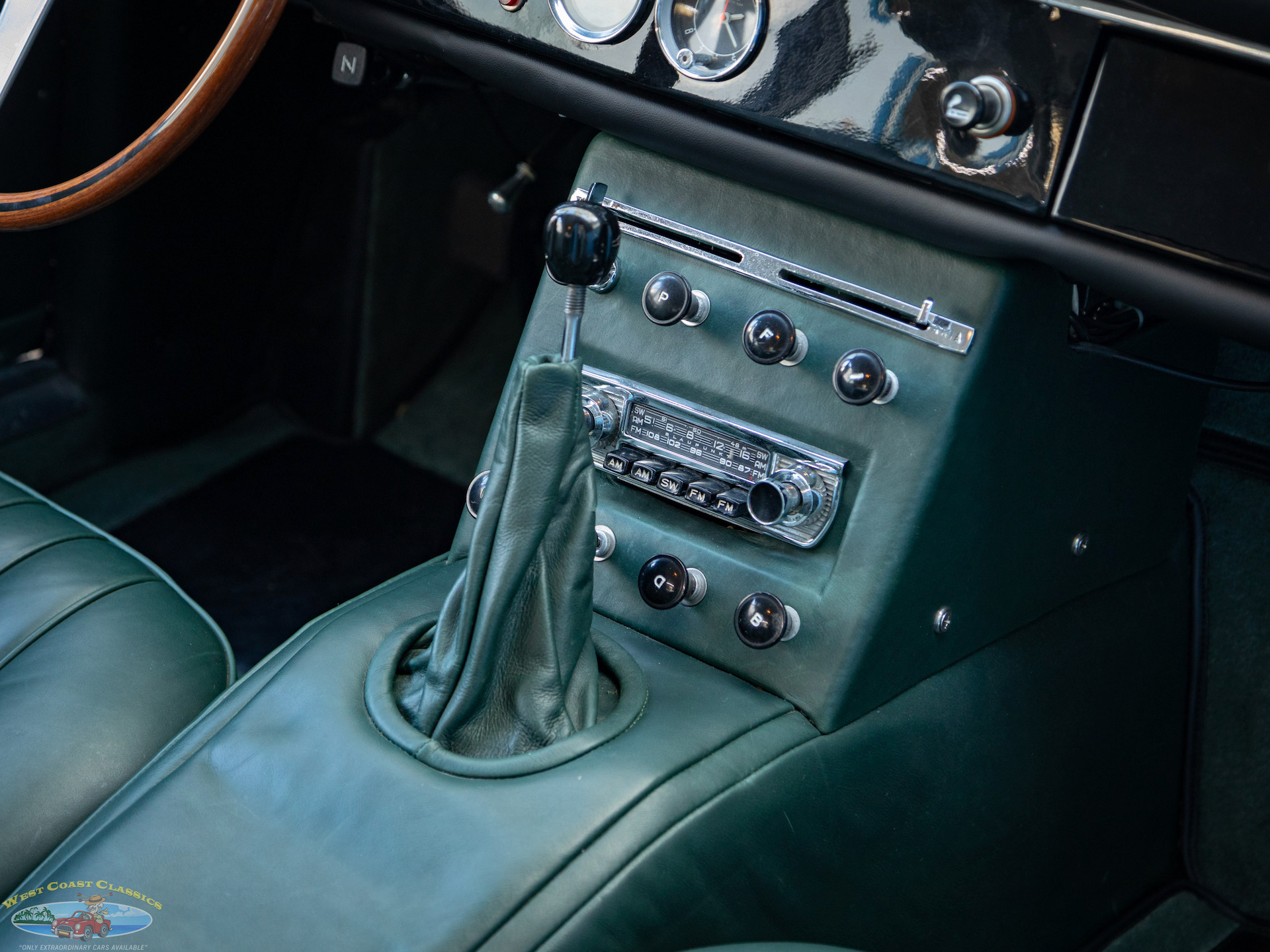
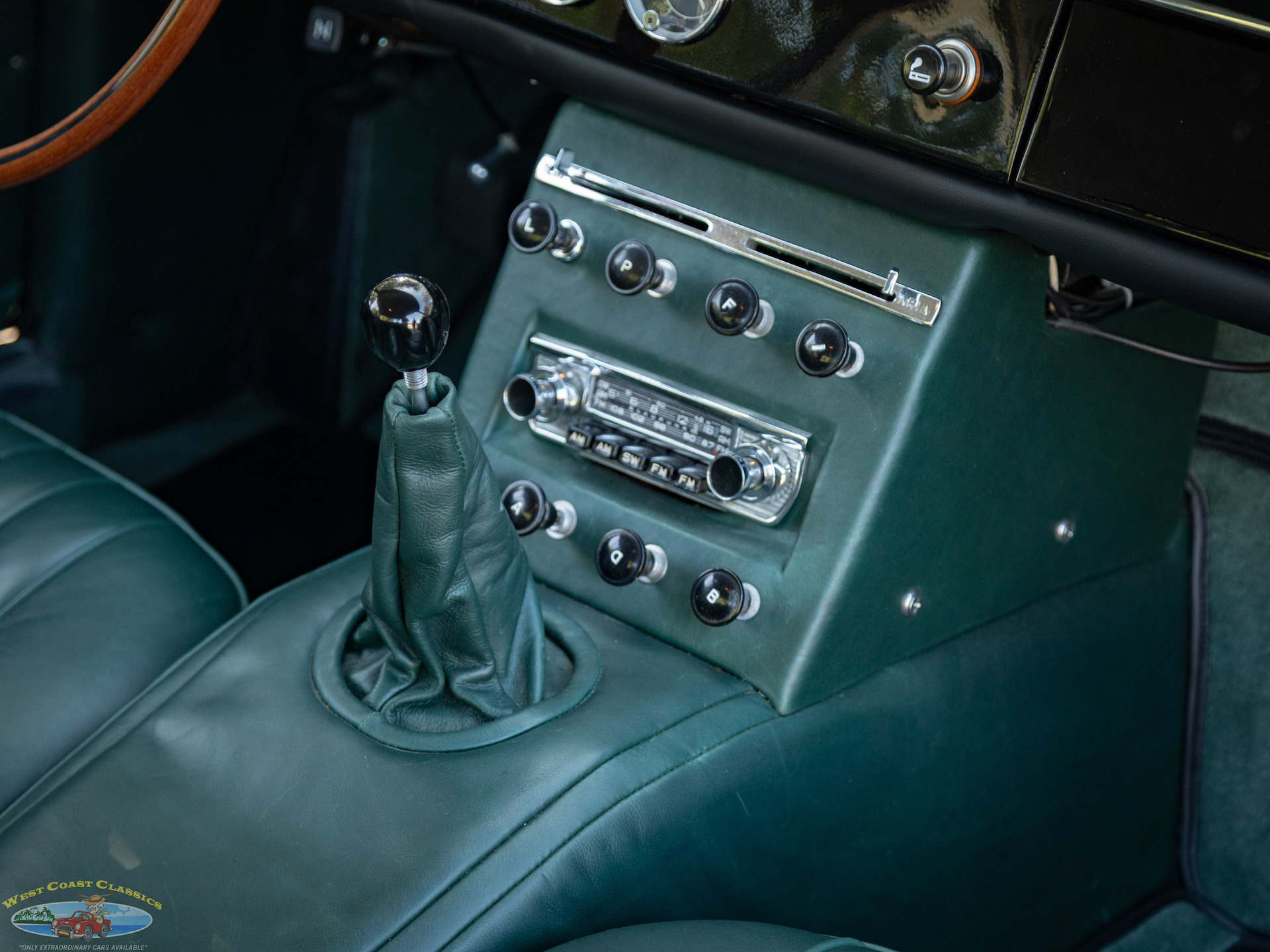
The original 250 GT/E came with a 4-speed manual plus electronic overdrive. Upgrading to a true Ferrari 5-speed manual (likely sourced from a later 330 GT 2+2 Series II or a 365) significantly increases the drivability, reliability, and modern highway usability of the car. Collectors who want a vintage Ferrari for touring and rallies (like the Copperstate 1000) highly value this exact modification.
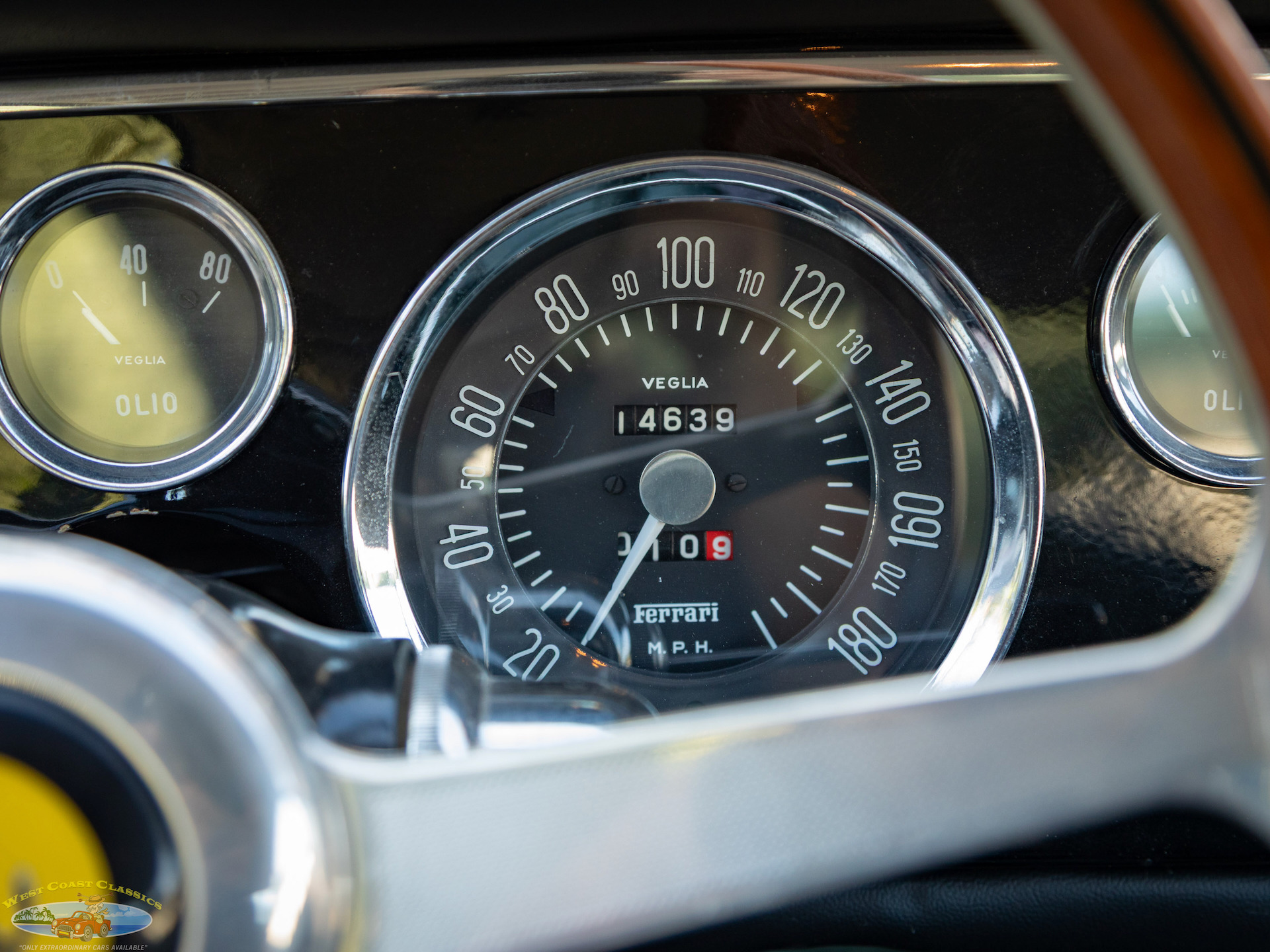
This car was recently acquired out of long time storage from a collector and whilst it does run and drives it should still be considered being in need of recommissioning prior to any extensive road use.